
It began with a simple question: how can we make Gombe breathe again? We watched our city grow hotter and dirtier, and decided to act. Through Start The Future Initiative, we launched Eco Green Gombe — a youth-led movement bringing life back to our communities. From cleaning neglected streets to planting trees at a special needs school and simplifying climate talks for local advocates, we turned concern into action, and action into hope.
When the Earth Started Crying in My Village
Seeds of Change in Laikipia
In the heart of Laikipia, young people are rediscovering the wisdom of indigenous seeds and the power of community. Seeds of Change in Laikipia tells a story of hope, heritage, and resilience — how traditional farming, local collaboration, and youth action are nurturing both the land and livelihoods, ensuring that the roots of culture and nature grow stronger together.
Where Conflict Meets Climate: A Story Of Resilience
“Where Conflict Meets Climate: A Story of Resilience” recounts my kidnapping while working in a conflict- and climate-affected zone. During three months in captivity, witnessing deaths deeply scarred me yet revealed our shared humanity beyond race or class. Through dialogue, I helped deradicalize seven combatants, who later reintegrated and joined me in restoring 85 hectares of burned forest transforming pain into purposeful action for peace and nature.
The Resilient Seed: Biotech and Traditional Knowledge in Nigeria's Climate-Conflict Zone
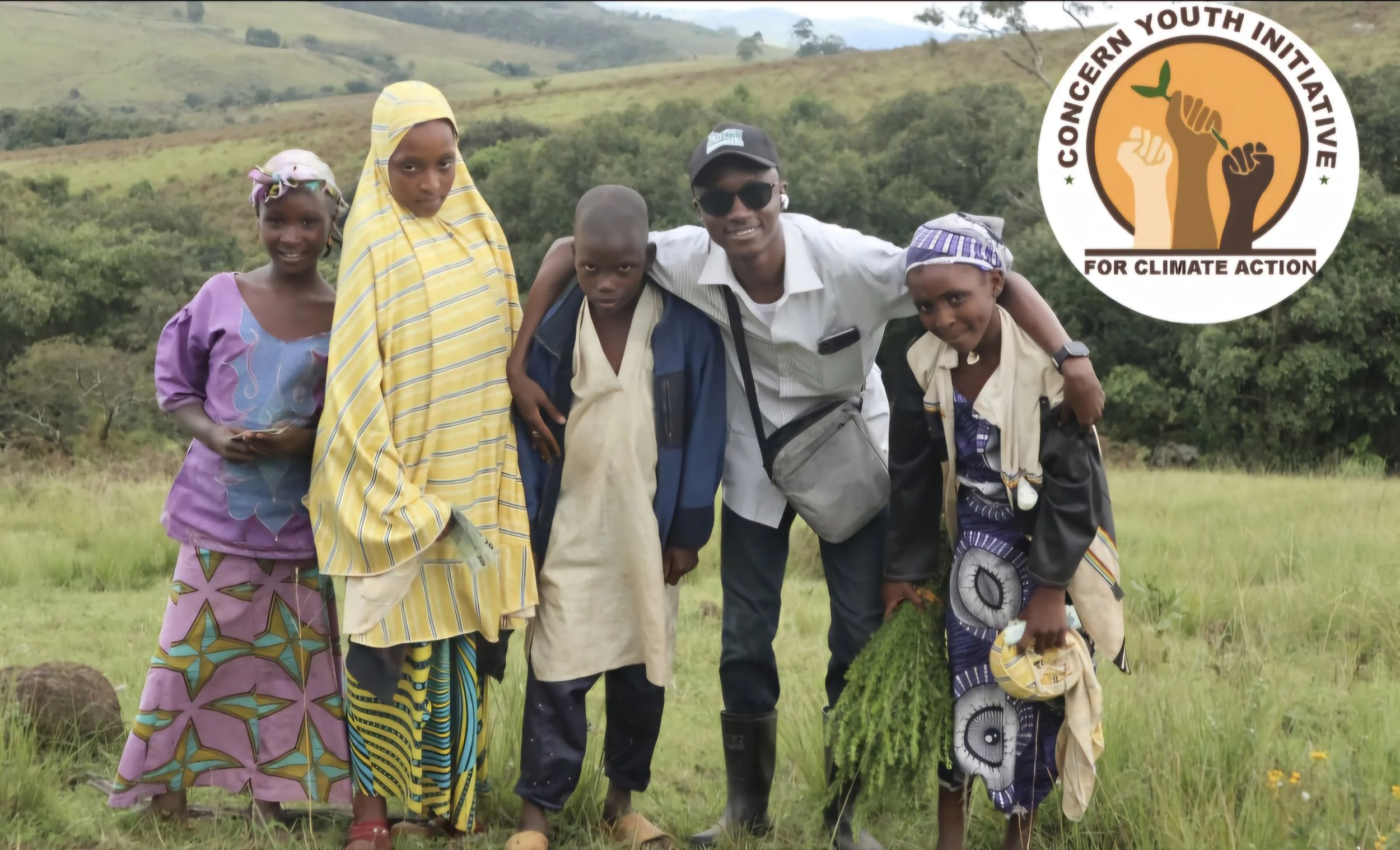
This story describes a local, youth-led project in North-Eastern Nigeria that addressed increasing drought and conflict. The project used simple biotech screening to grow climate-resilient sorghum. It secured international funding from FAO and Gates Ag One. This approach shows how blending traditional knowledge with science can offer a strong, nature-based solution for food sovereignty and peace, helping marginalized communities move into the mainstream of environmental efforts.
Ondiri Wetland Botanic Garden: A Community Hub for Experiential Learning
Ondiri Wetland Botanic Garden is a reflection of how ideas can materialise with support from like-minded people. This is a journey of how an almost dead ecosystem has sprung back to life with diversity of both flora and fauna, with human support. It is a testament to having nature and people live as one. It is all thanks to Youth4Nature through INUKA Afrika that we have reached this far. It has become a beehive of activities, where the community, including learning institutions, are gathering to study about the Ondiri Wetland, access to clean water, conservation of nature and climate change action.
La Terre comme Courage / The Land as Courage
La vidéo présente le témoignage d’une femme cultivatrice locale qui partage, avec ses propres mots, son expérience face aux défis du conflit et sa résilience à travers l’agriculture. / In the video, Nyiramugisha Viviane, a peanut farmer from Rutshuru in North Kivu, shares her daily reality. She speaks about the fear of going to the fields amid insecurity, the sound of gunfire, and the risks of violence. Despite everything, she continues to cultivate the land because it allows her to feed her family and keep hope alive. Through her story, she shows how courage and resilience can grow even in times of conflict.
From Reporting to Implementing: My Journey Into the Water Sector
A journey from witnessing firsthand the realities often hidden behind statistics, realities that would then change the direction of my life. Communities struggling to adapt to climate change, women and girls walking for miles in search of water, families losing their livelihood to floods and drought was the order of the day. Reporting alone was not enough! immediate action was needed.
The Women of Perimabiri
In the remote communities of Peremabiri (Perimabiri) and Agubiri in Bayelsa State, women farmers bear the burden of oil spills and social inequality. Beyond the environmental damage lies a cycle of vulnerability gender based violence, early pregnancies, and poverty. Through private dialogues, therapy, and community support, these women are finding healing, resilience, and renewed hope. This story highlights how climate change deepens inequality and why women’s voices must be heard.
The Story of Birahim Papa Niang's Grandparents
Where Voices Grow From the Soil
In communities where survival means cutting down trees, we chose to offer alternatives instead. From transforming agricultural waste into cooking briquettes to turning plastics into interlocks and creating natural probiotics for healthy soils, our work empowers families to live sustainably. This story isn’t just about climate it’s about people, resilience, and the power of local innovation shaping a greener, fairer future for all.
What We Make From What We Have
In “What We Make From What We Have,” South African artist Thabang Makgakwe reflects on his journey of creativity and resilience, inspired by his mother and friend who turned waste into beauty. Through virtual art and community education, he shows how recycling is not just an environmental act but a mindset , one that transforms struggle into strength and hope into creation.
From Village to Virtual: Empowering Rural Girls for Climate Resilience
In Namutumba, Eastern Uganda, rural girls face the double burden of climate change and limited education. Through Connect Care Uganda, we empower girls with digital literacy, solar-powered learning hubs, reusable sanitary pads, and climate-smart skills. Our story shows how small community-driven actions can spark resilience, restore dignity, and bridge the gap between climate justice and education. From village to virtual, we are creating hope in the margins.
Eating Away at the Land: The Lives of Local and Indigenous Communities in the Basoko Territory
In Basoko territory, in the heart of the Congo basin, local and indigenous communities are witnessing their land and rivers being poisoned by oil exploration and destructive logging. This story highlights how resource exploitation is threatening biodiversity, cultural heritage, and livelihoods, while amplifying the voices of those who resist. Through our podcast, Jambo Radio (a community and indigenous media) seeks to shed light on these silenced realities and spark global solidarity for climate justice, indigenous rights, and the protection of one of the world’s most vital ecosystems in the Democratic Republic of Congo.
The Lost Generation and the Two Seeds
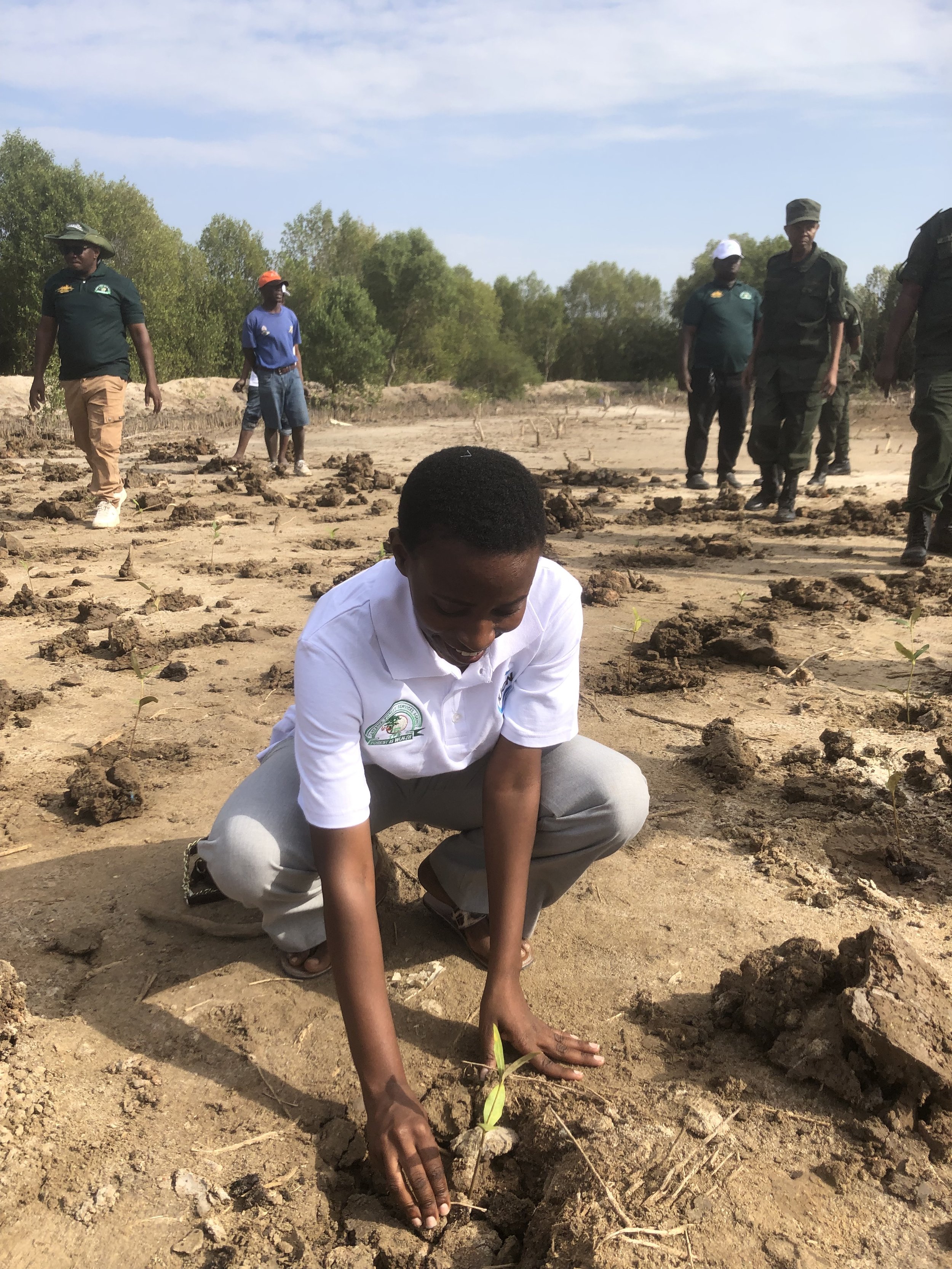
The sun beat down on our village, a relentless reminder of the changing climate. Our once lush fields were parched and the river, our lifeblood, dwindled to a trickle. I as a young girl armed with a conservation degree, felt the weight of this reality acutely. My peers, equally passionate and educated, faced similar despair. We were the “the lost generation” of conservationist brimming with knowledge but devoid of opportunities. The green jobs we dreamed of were scarce, eco-entrepreneurship skills were foreign concept, and training programs were nonexistence, then I find the two important seeds.
Between Nature & Rights: The Journey of an Environmental Defender
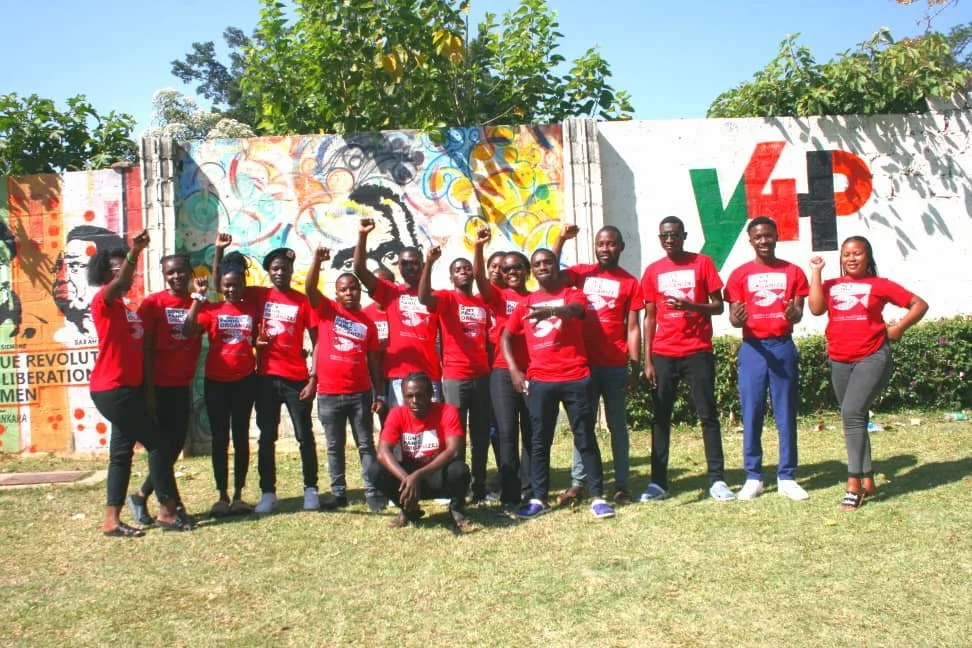
In Zambia, climate change is one of the issues that has impacted the country negatively, and youth have been on the frontline to combat it through different initiatives. The story of Chipasha Keran, a young Zambian, dives into the journey of an environmental and human rights activist, including the initiatives that he has successfully implemented with community members to yield a positive environmental and social impact.
Narratives of Change: A Personal Journey of Governance and Change in Uganda

Forced to migrate due to climate change, a family from the Namisindwa district in Uganda navigates the challenges of displacement, land struggles, and governance failures. This personal journey highlights the interconnectedness of climate, biodiversity, and human mobility, and calls for better governance to harness Africa's vast resources for sustainable development. Discover how one individual's experience fuels a determination to create lasting change for future generations.
Narratives of Change: From the Lake Victoria's Shore to a Sustainable Future
Growing up on the shores of Lake Victoria, I saw the impacts of climate change firsthand. Driven by my love for the lake and my community, I embarked on a journey to combat environmental degradation. Now, through education, sustainable agriculture, and eco-friendly initiatives, I am working to restore the natural beauty and resilience of our ecosystem while empowering the next generation to be environmental stewards.
Narratives of Change | The Future's Light on My Grandfather’s Farm: The Solar Panel Journey
The solar panels that were erected on my grandfather's farm in a village near Ben Guerir, Morocco, initiated a new epoch, whereby tradition and innovation actually coexisted. This transition to solar panel energy is a decision brought on by the increasingly precarious situation with climate change and limited resources. Our solar panels are now a symbol of commitment toward sustainability and a bright future. As the Grandfather said, "In every ray of sunlight, we find a new beginning." Learn from our journey of switching our farm to renewable energy and how it changed our approach toward agriculture and the environment.
Narratives of Change: Saving millions of Trees from an Axe in Kiryandongo, Uganda
"How using electricity to cook could save millions of trees from an Axe " is a non fiction story. It is a story based on the reality that is facing people in Kiryandongo currently. It about how we can tap Uganda's growing electricity capacity to mitigate climate change that is facing the residents of my village kinyara I and kiryandongo at large. It is about how fast climate change is happening in my village and the challenges it presents inform of loss of trees to charcoal and firewood. Charcoal and fire are our energy for cooking in this part of the world. This story is also about how residents in my village are not able to access Charcoal and firewood again due to depletion. This story also delves into how residents could tap into Uganda's huge electricity to change the narrative.