
Ondiri Wetland Botanic Garden: A Community Hub for Experiential Learning
by Robert Meya from Friends of Ondiri Wetland Kenya
The sharp population increase in Kikuyu Town, coupled with the severe effects of climate change, has put pressure on food supply, adequate and quality water, and settlement space. This has directly impacted Ondiri Wetland through increased rates of unregulated water abstraction and encroachment for farming and settlement purposes. Additionally, there has been an influx of both liquid and solid wastes dumped directly and indirectly into this vital resource. As the wetland serves as the primary water source for more than 100000 residents and feeds the Athi River, which drains into the Indian Ocean, this situation endangers not only human lives but also flora and fauna along the basin, down to the Indian Ocean.
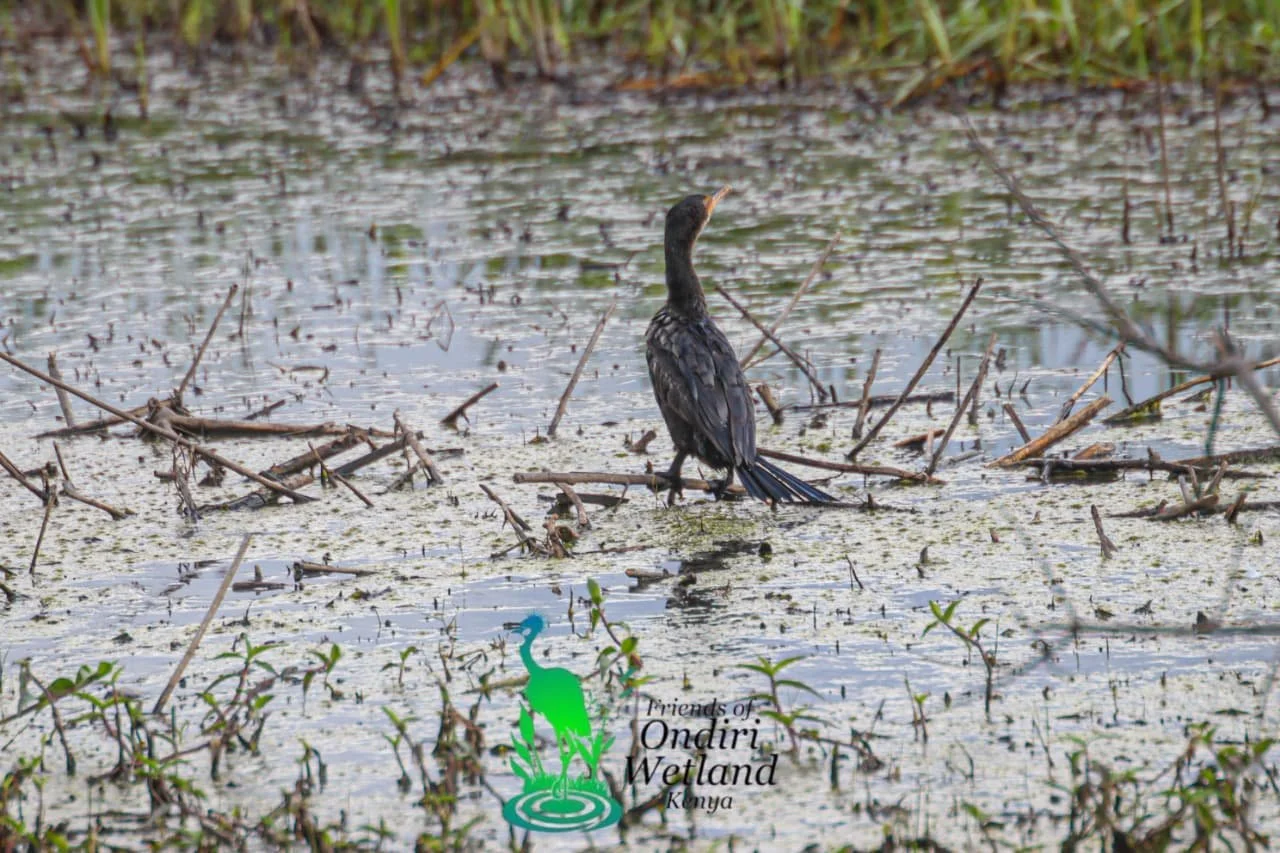
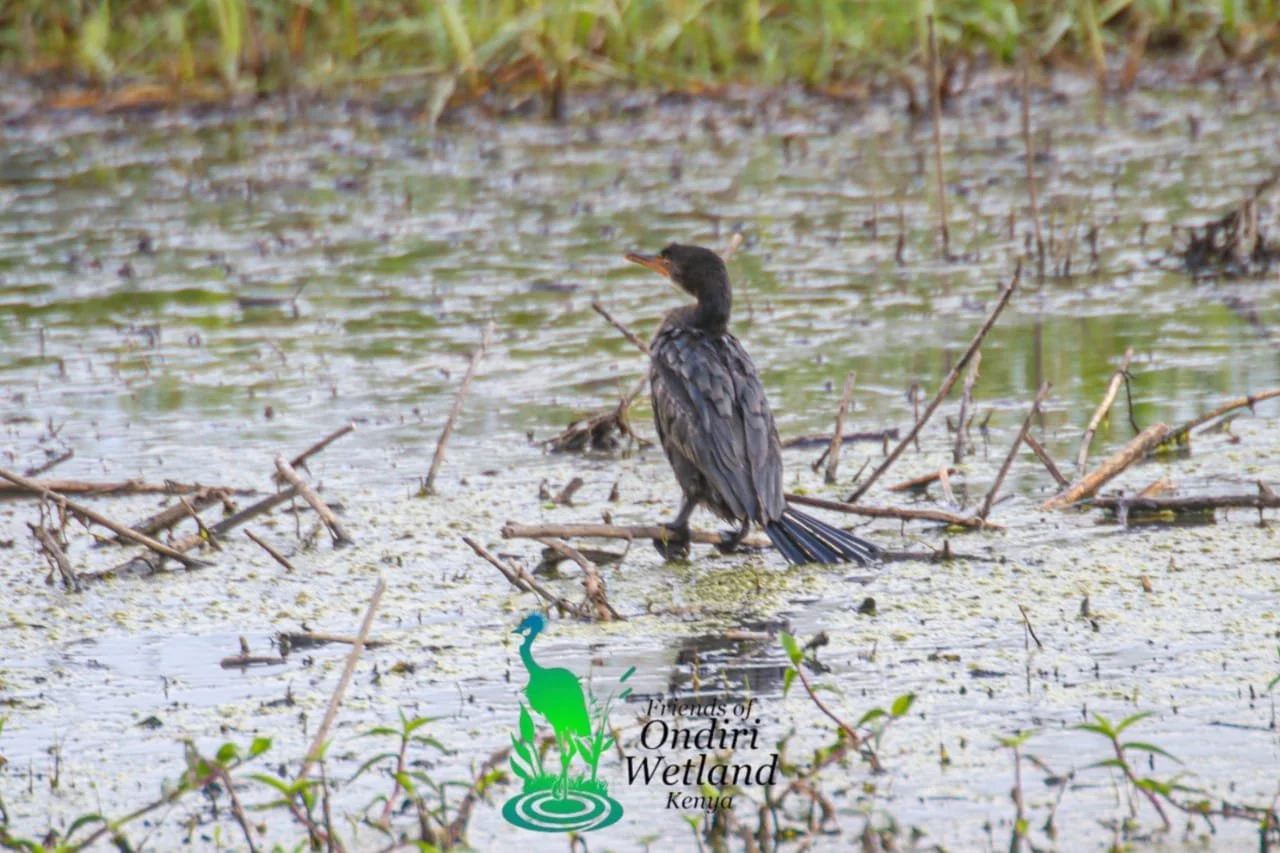
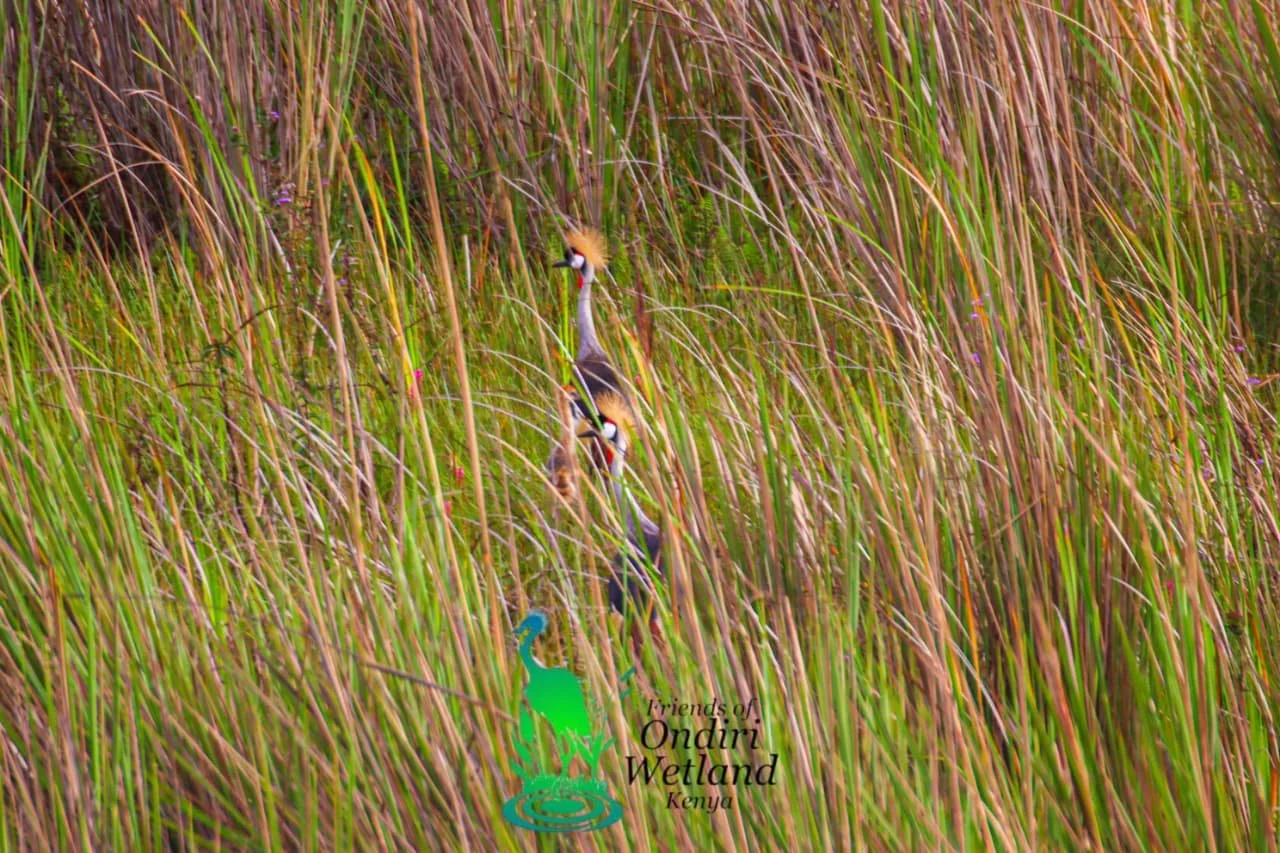
Over time, we observed how an initially vibrant ecosystem, beaming with life and hope, slowly submerged and degraded into destruction by the unending human activities. Despite the many impacts these had on the wetland ecosystem, such as on water availability and quality, something else struck my mind. Biodiversity. I became curious to learn how much we had lost in biodiversity (both plants and animals). My eyes opened to the many different bird species that we had recorded a few years ago, missing at the wetland. The loss became more conspicuous when our emblem, the bird on the logo of the Friends of Ondiri Wetland Kenya, the grey-crested crowns, finally left the ecosystem. The bird was a sign of the health of the wetland. It left, after many others did. I learnt how many tree species native to the area also disappeared. My heart was pricked. I wondered what I could do to reverse the situation.
In one of our conversations with my colleagues, I came to learn of the concept, botanic garden. I developed a great hunger to learn more about this concept and how it would help in the regeneration of our ecosystem. I learnt how this concept could turn into a live library, where people could meet to learn and interact with nature. It was amazing how this idea sounded ideal, but there was no means to actualise it. For a long time, it remained impeded within me like a dream that can never see the light of day, but my team and I did not have the capacity to implement this lifeline program.
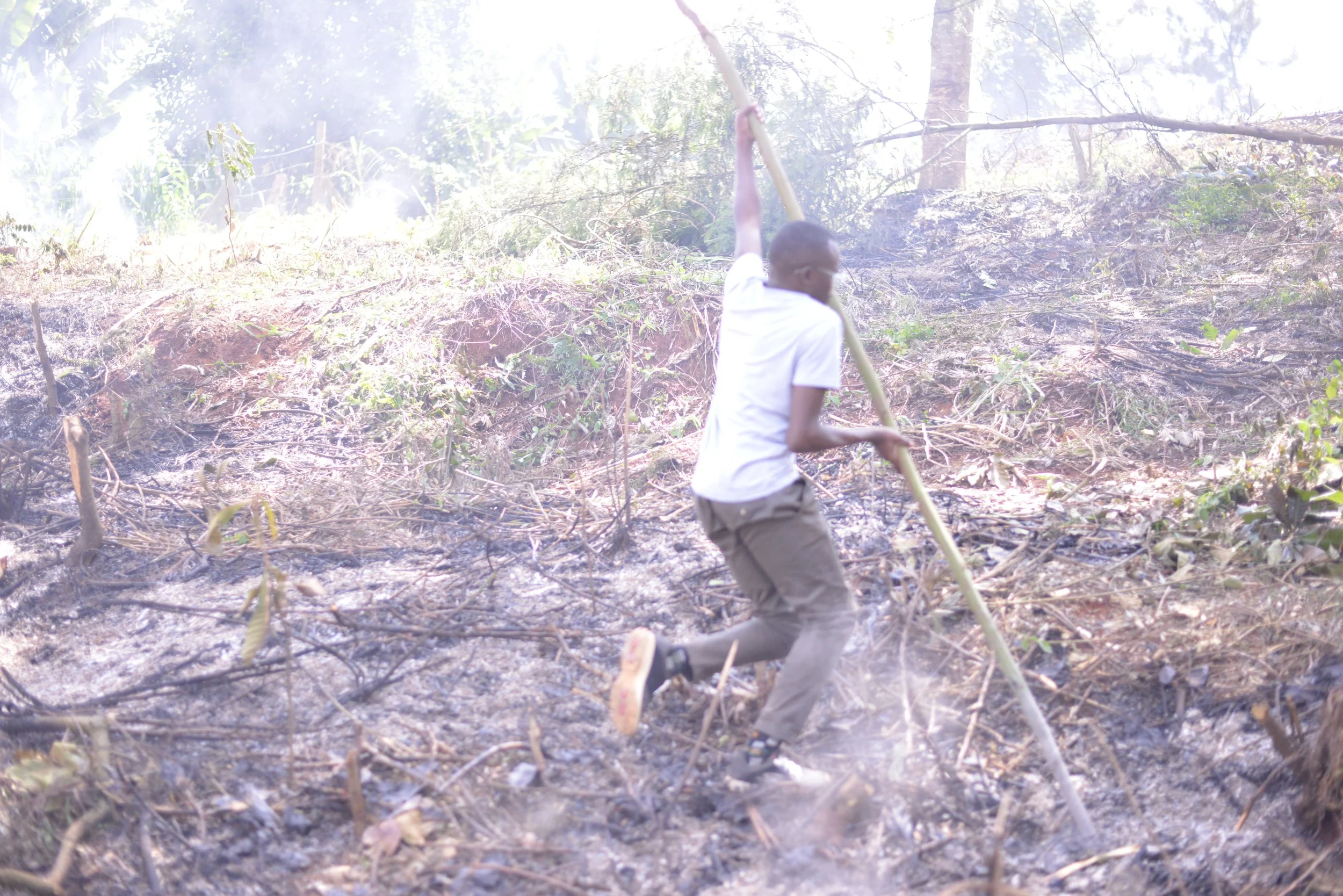
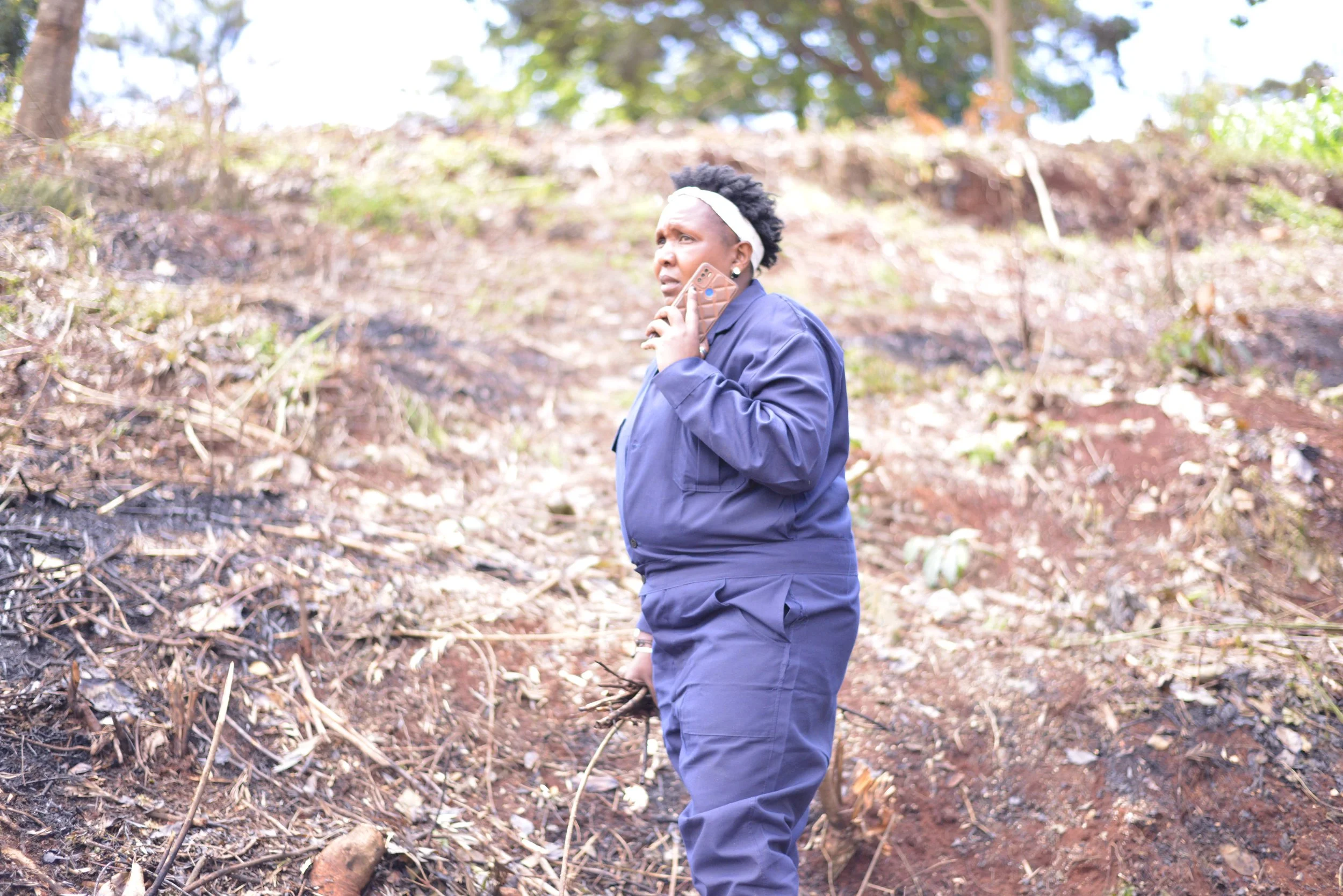
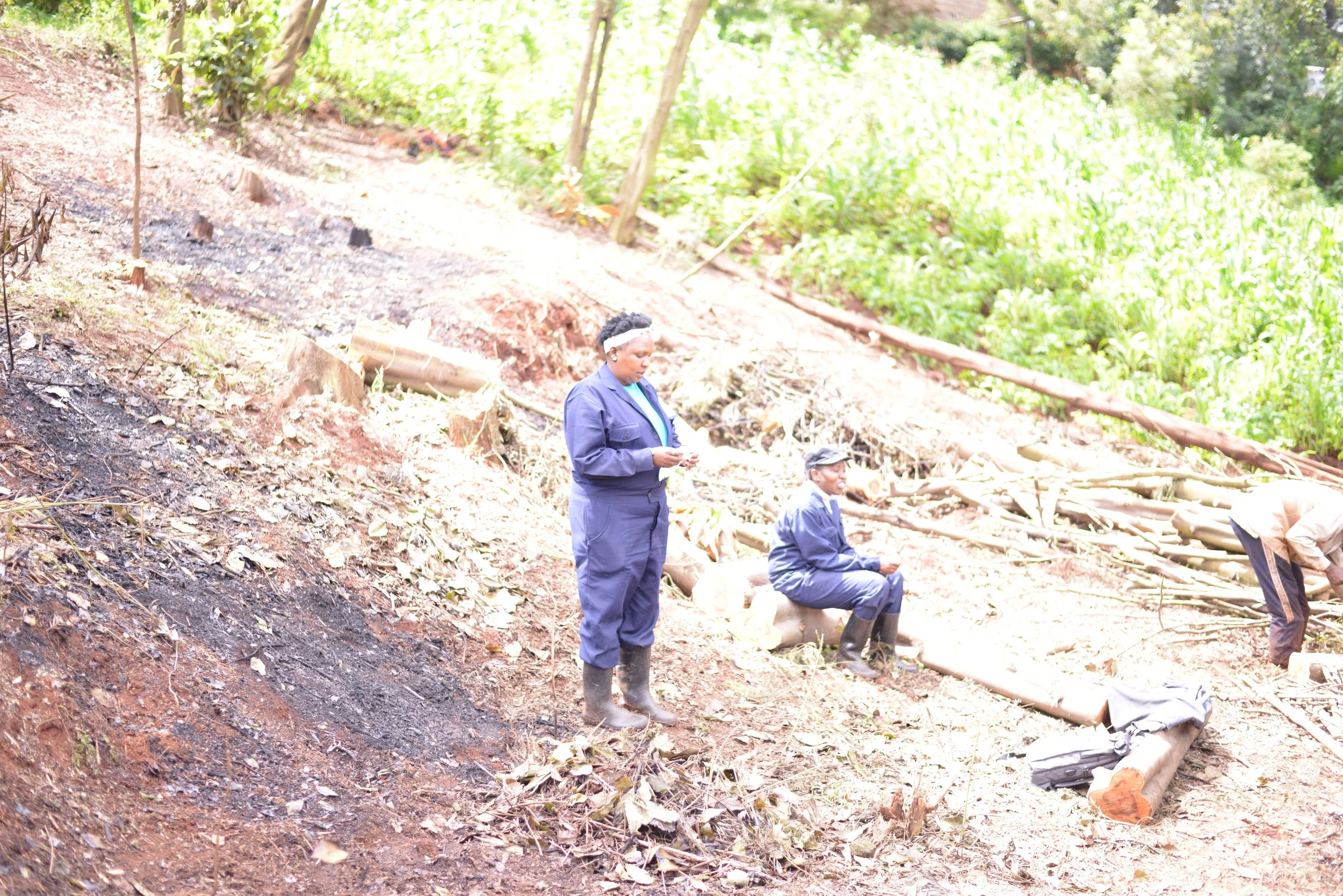
But then a miracle happened in March 2023 when Youth4Nature launched the INUKA Afrika program, to which my organisation, Friends of Ondiri Wetland Kenya, was graciously admitted. This marked the birth of the botanic garden's actualisation. First, the program entailed detailed modules on nature-based solutions, the kind of knowledge I had been seeking for some time now. It involved both classroom training and experiential learning in the field. We got exposed to various landscapes and ecosystems, learning how other people applied nature-based solutions to restore their degraded ecosystems. We got to learn from one another. My team and I learnt about various practical approaches we could employ in restoring our own degraded landscape and ecosystem, Ondiri Wetland.
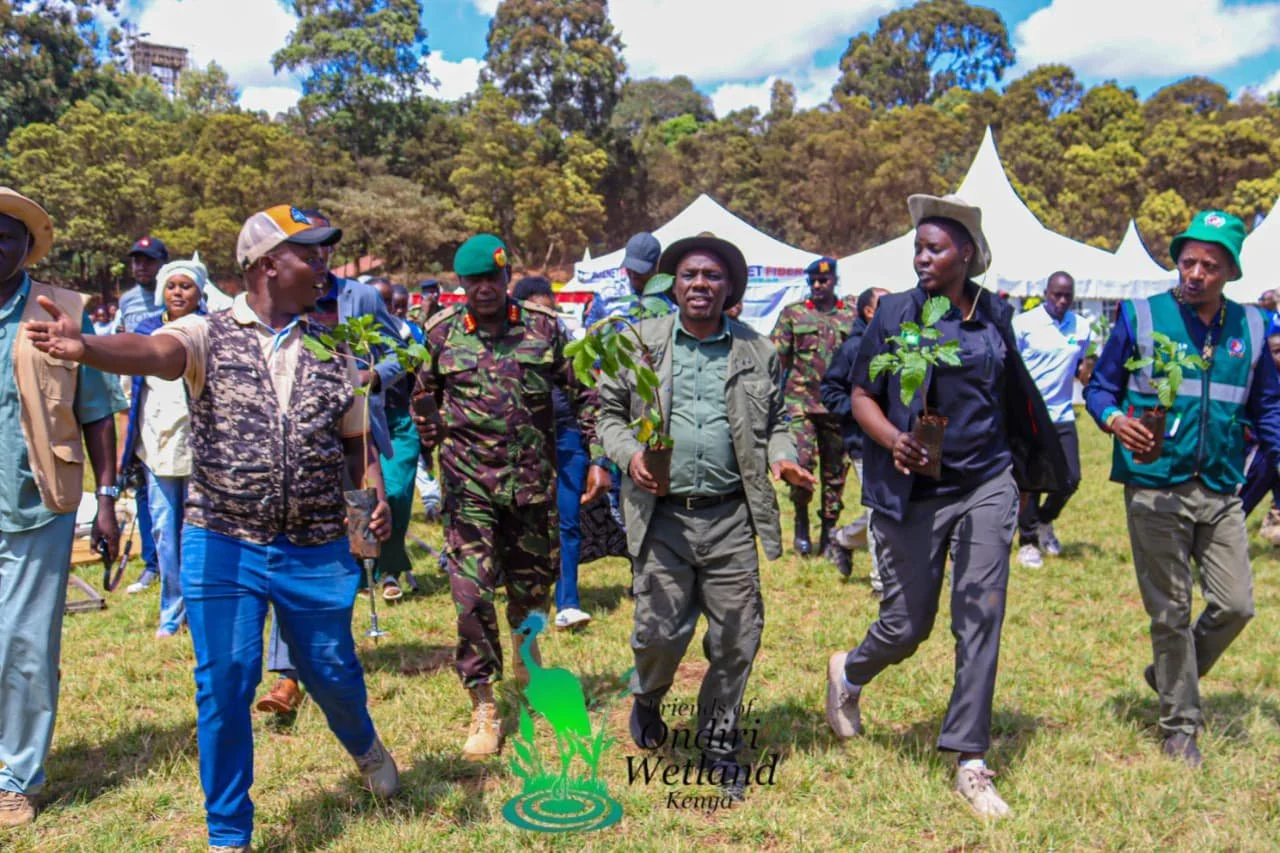
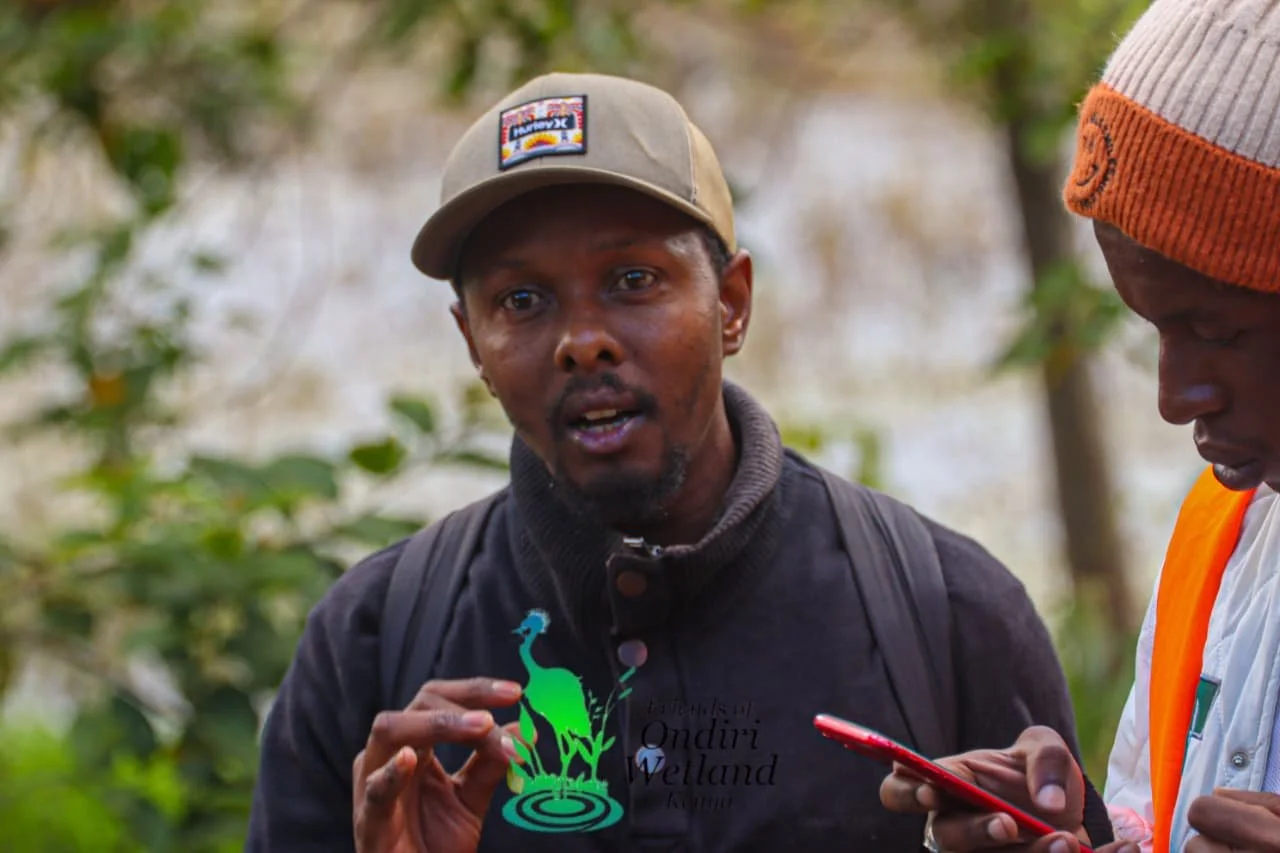
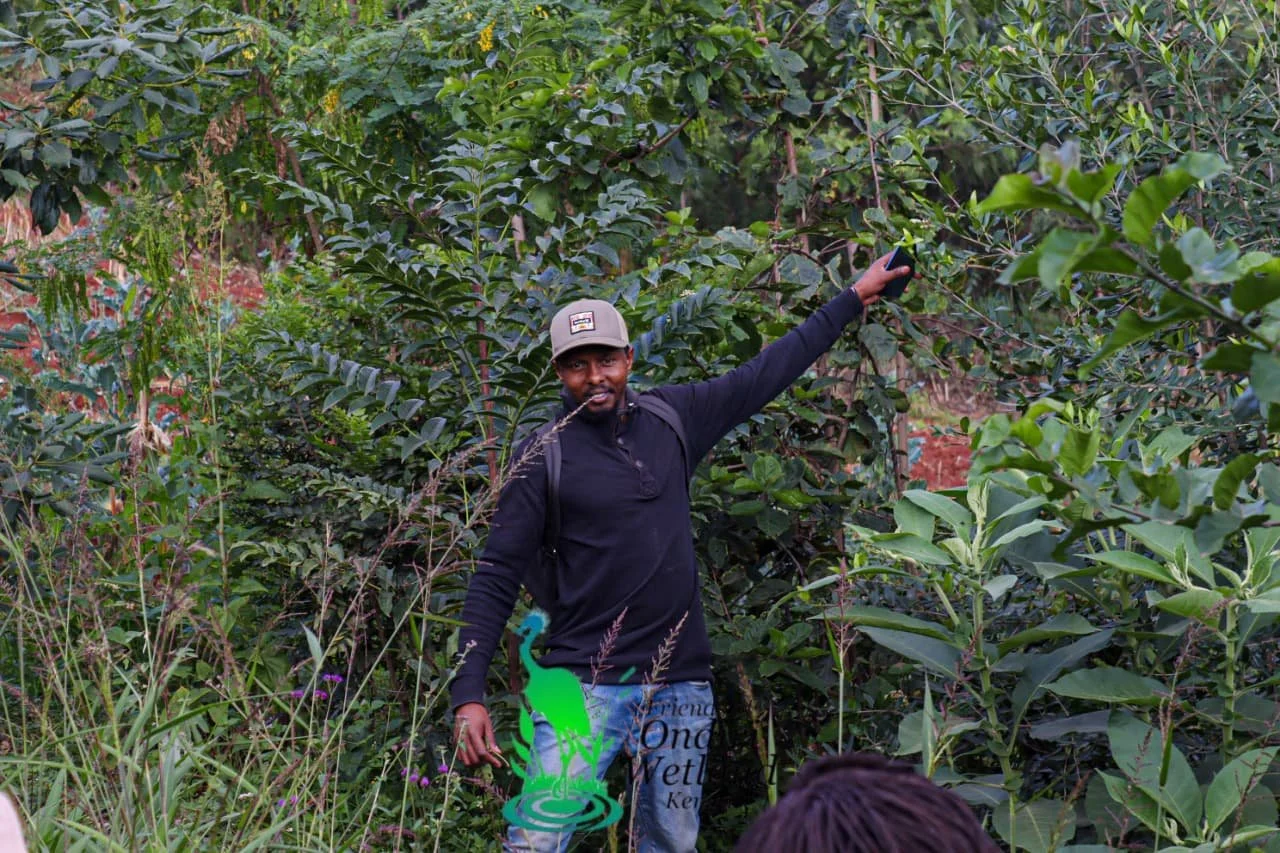
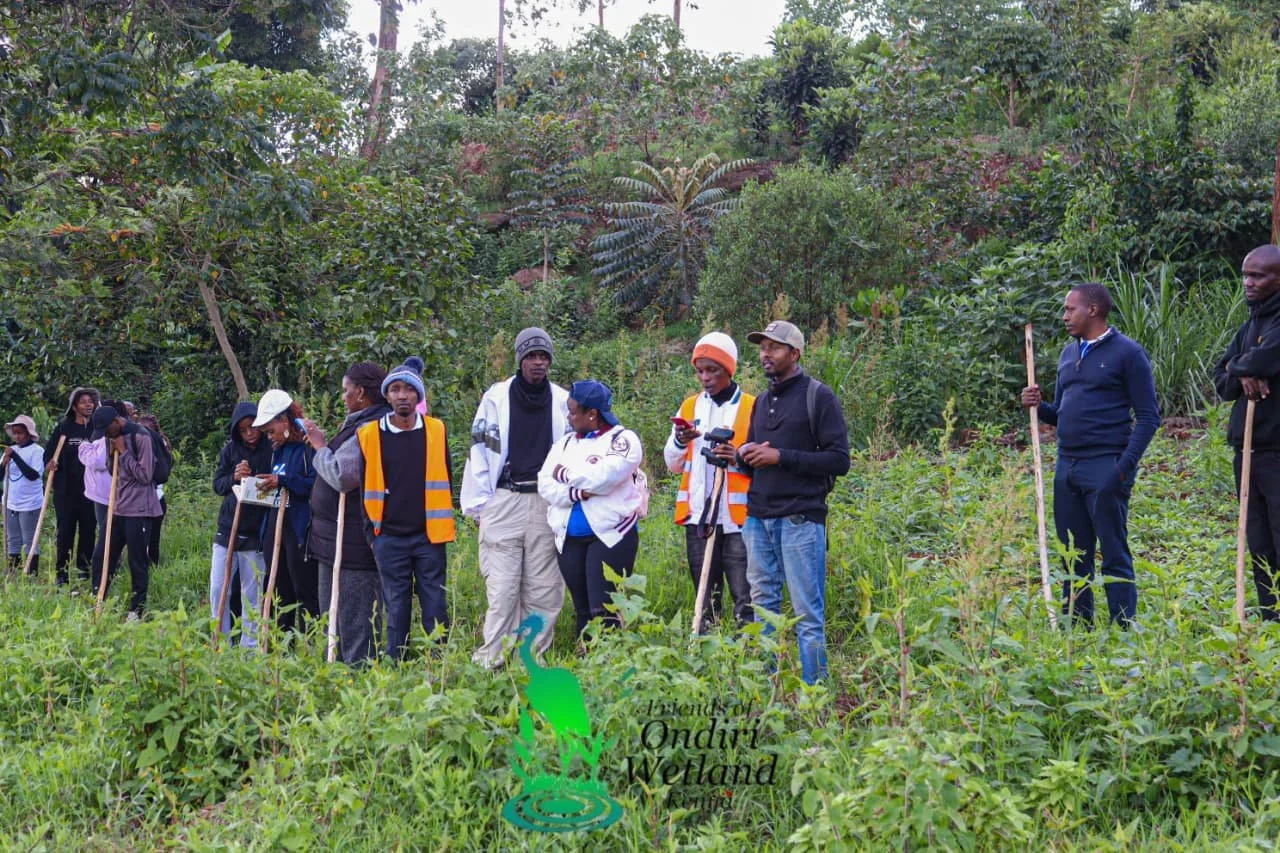
The most interesting part of this journey was after being taken through the grant application process and pitching, we were tasked to apply for a microgrant from the INUKA Afrika program, and that we would later pitch it to the Youth4Nature panel, later on as the program progressed. I knew our time to shoot the shot had arrived. I knew it was the moment to demonstrate all I had been taught throughout the program and what I had desired for years. Guess what project did I propose? It was the Ondiri Wetland Botanic Garden Project. It received a nod from the panel, and this was the start of a beautiful story that I would like to share in the next few words.
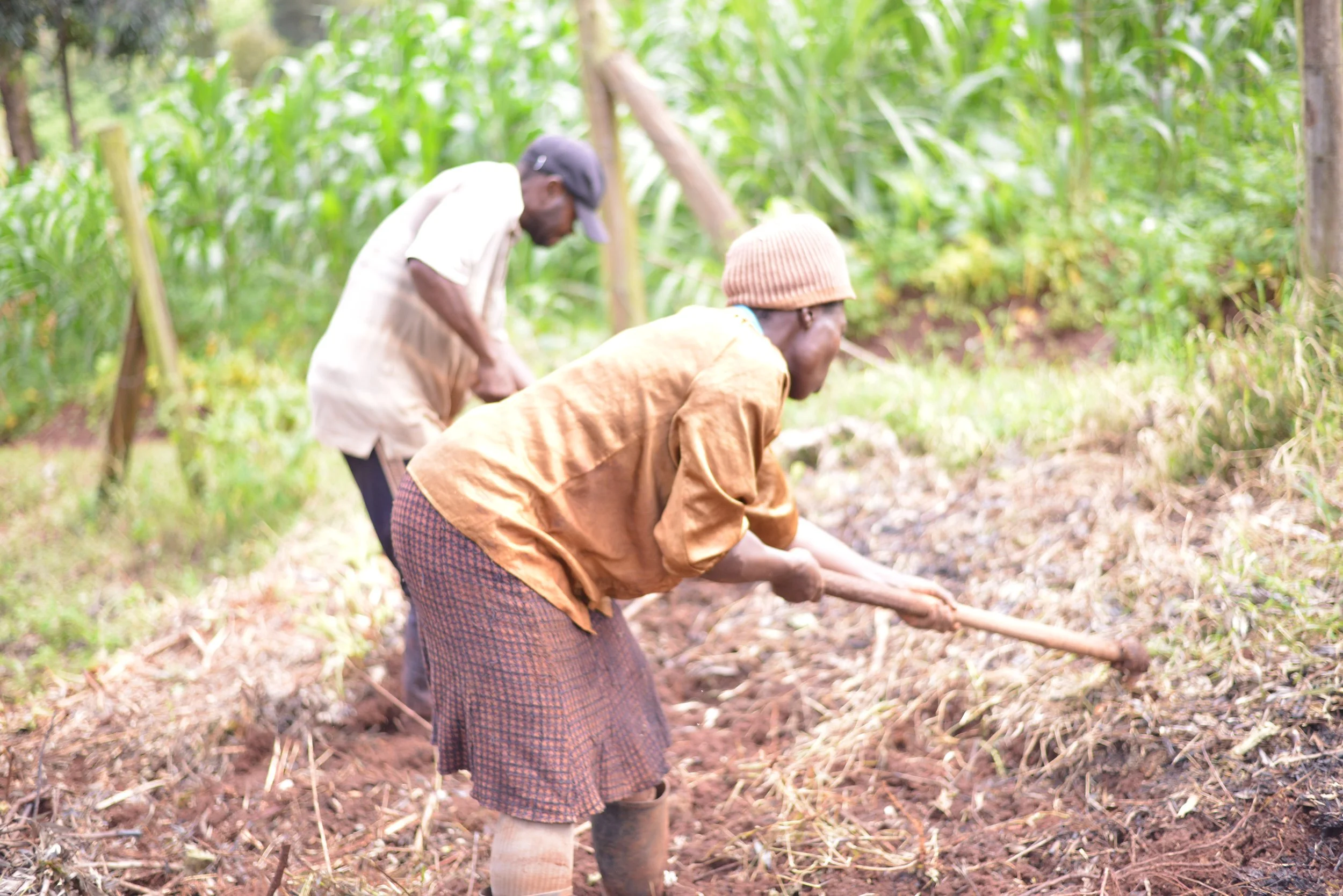
My team and I embarked on a journey of research. We did not want to get into a project that was not backed by data and facts. We first went to the ground, to meet the elderly people, whose reputation for how long they had stayed around Ondiri Wetland preceded. Men and women who witnessed the Ondiri Wetland in yesteryears and had been there to note all the changes that had happened to date. We got to learn from their perspective on how the wetland used to be, how it is and what their view was on how the wetland would be in the future if nothing happened. We learnt from them what practical ways they used to protect it and what it was they would like to share with us, in what they would want to see done. One very important aspect most of them mentioned was some of the trees they used to have around there that were long gone, and they could not find them anywhere.
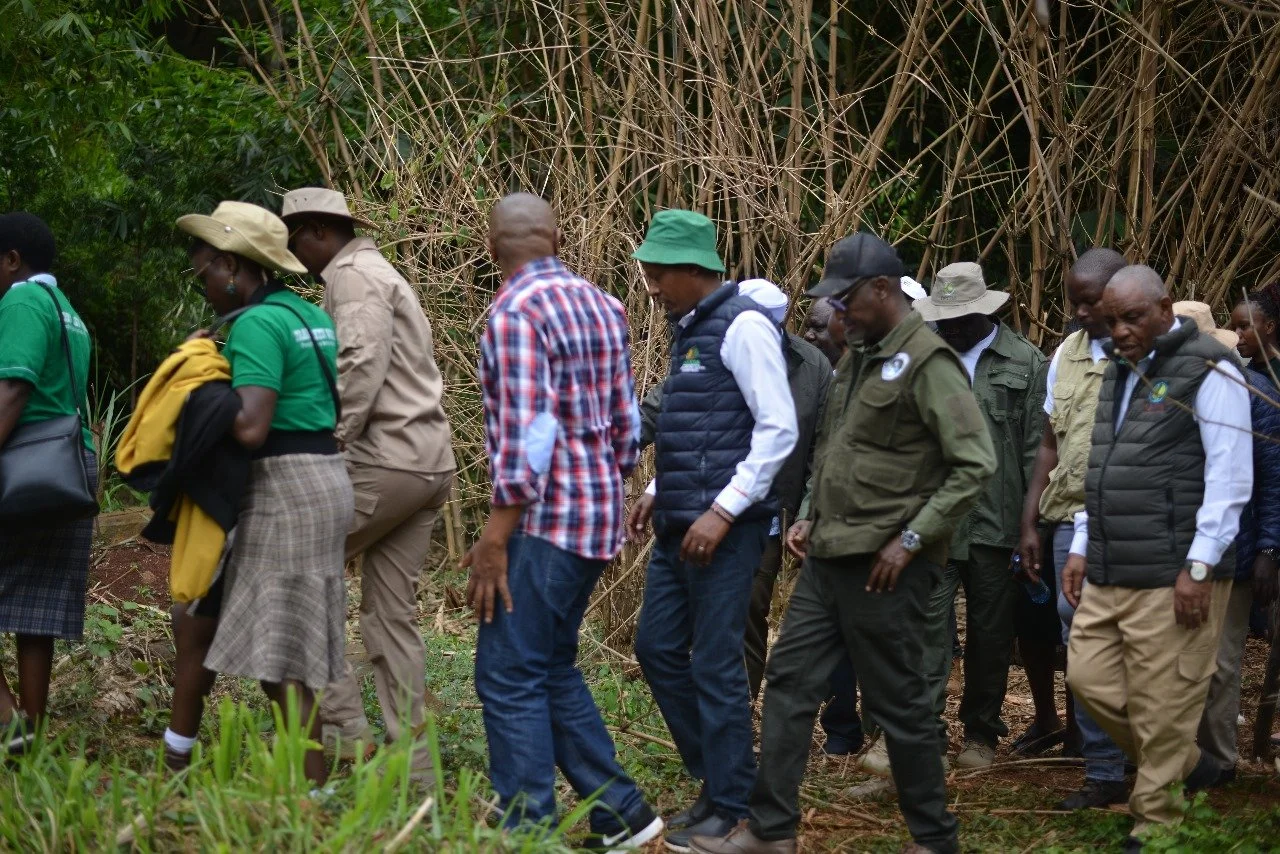
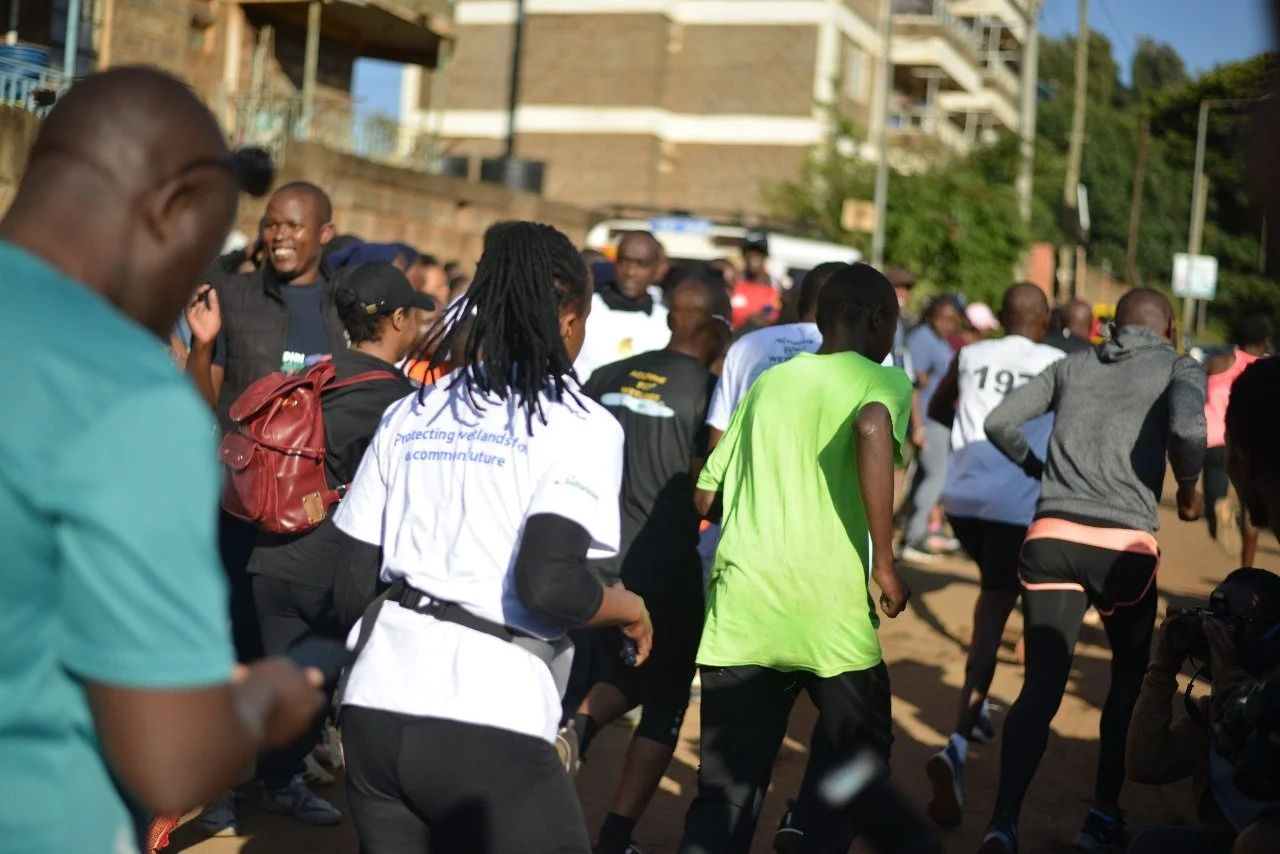
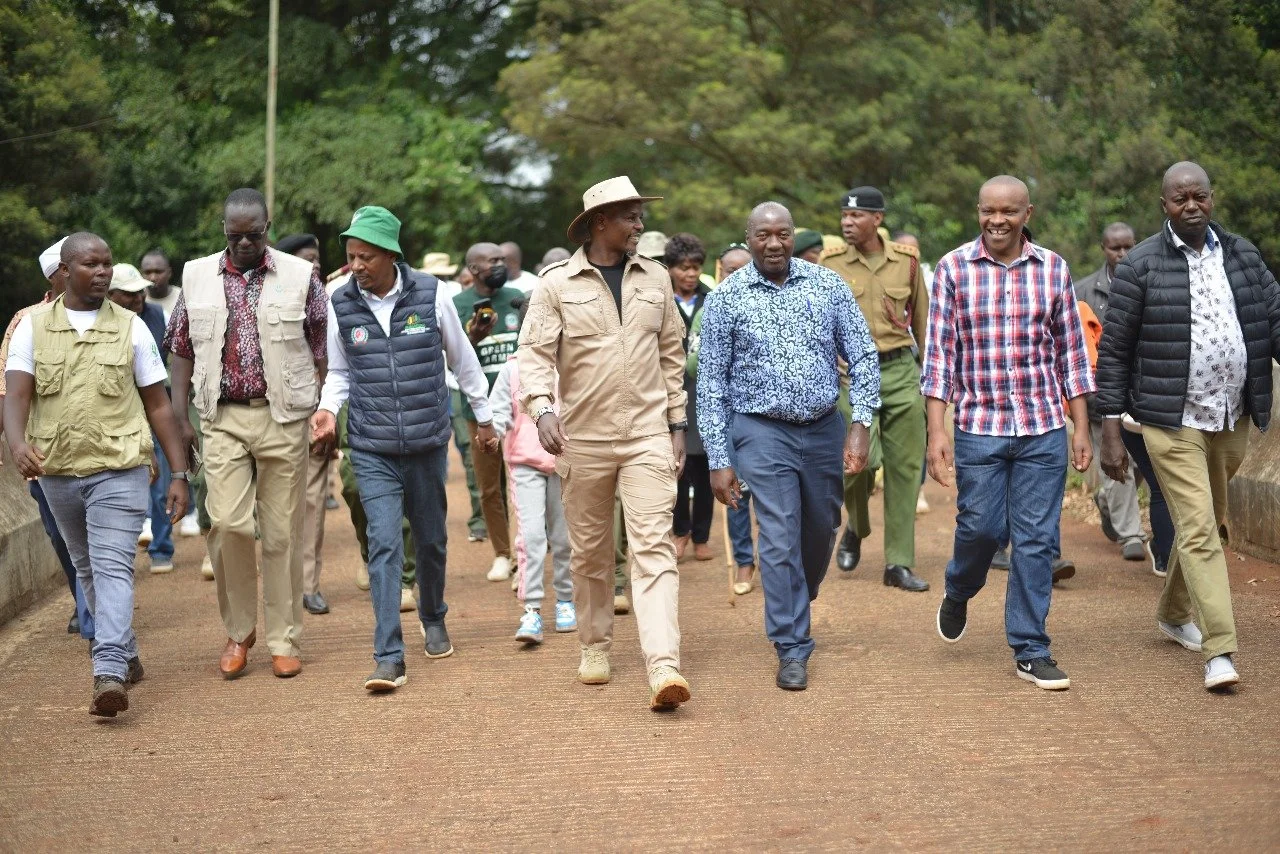
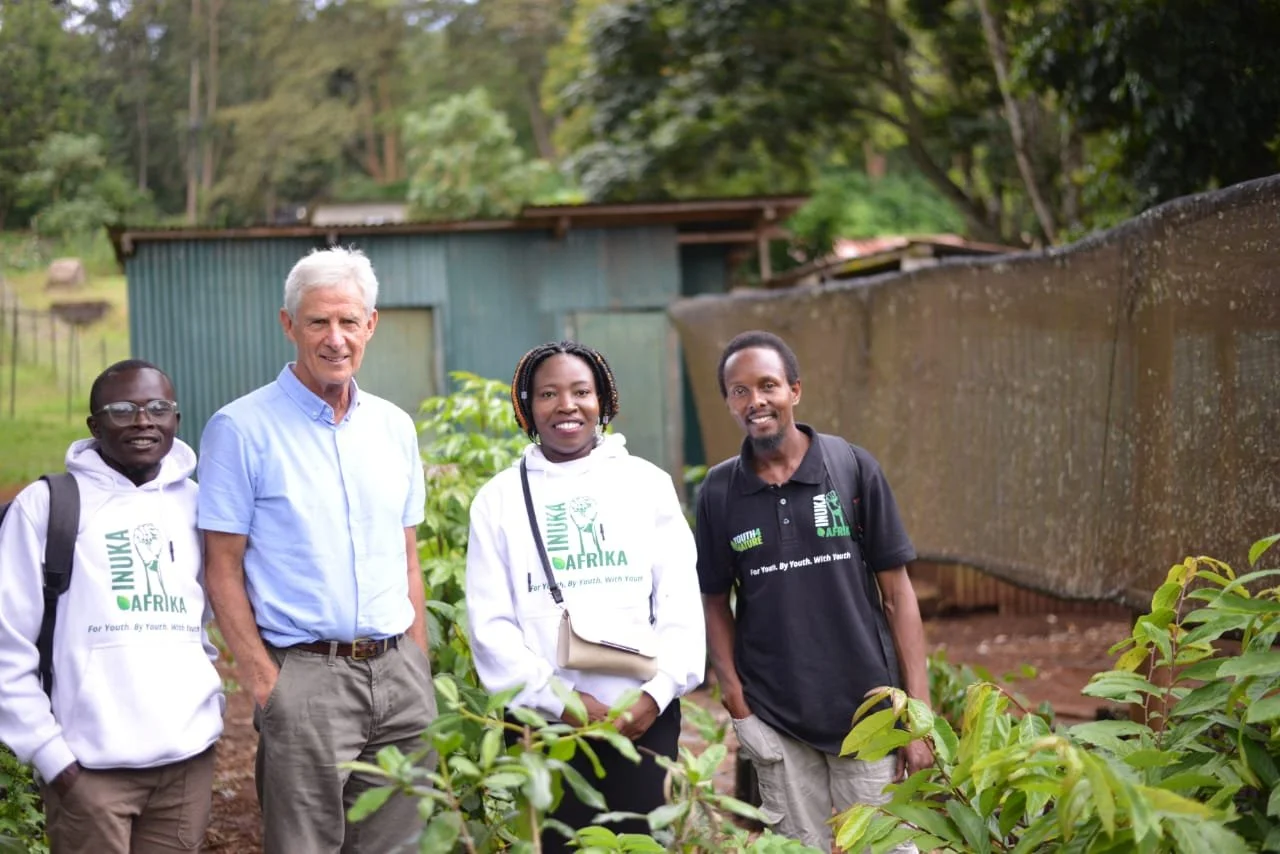
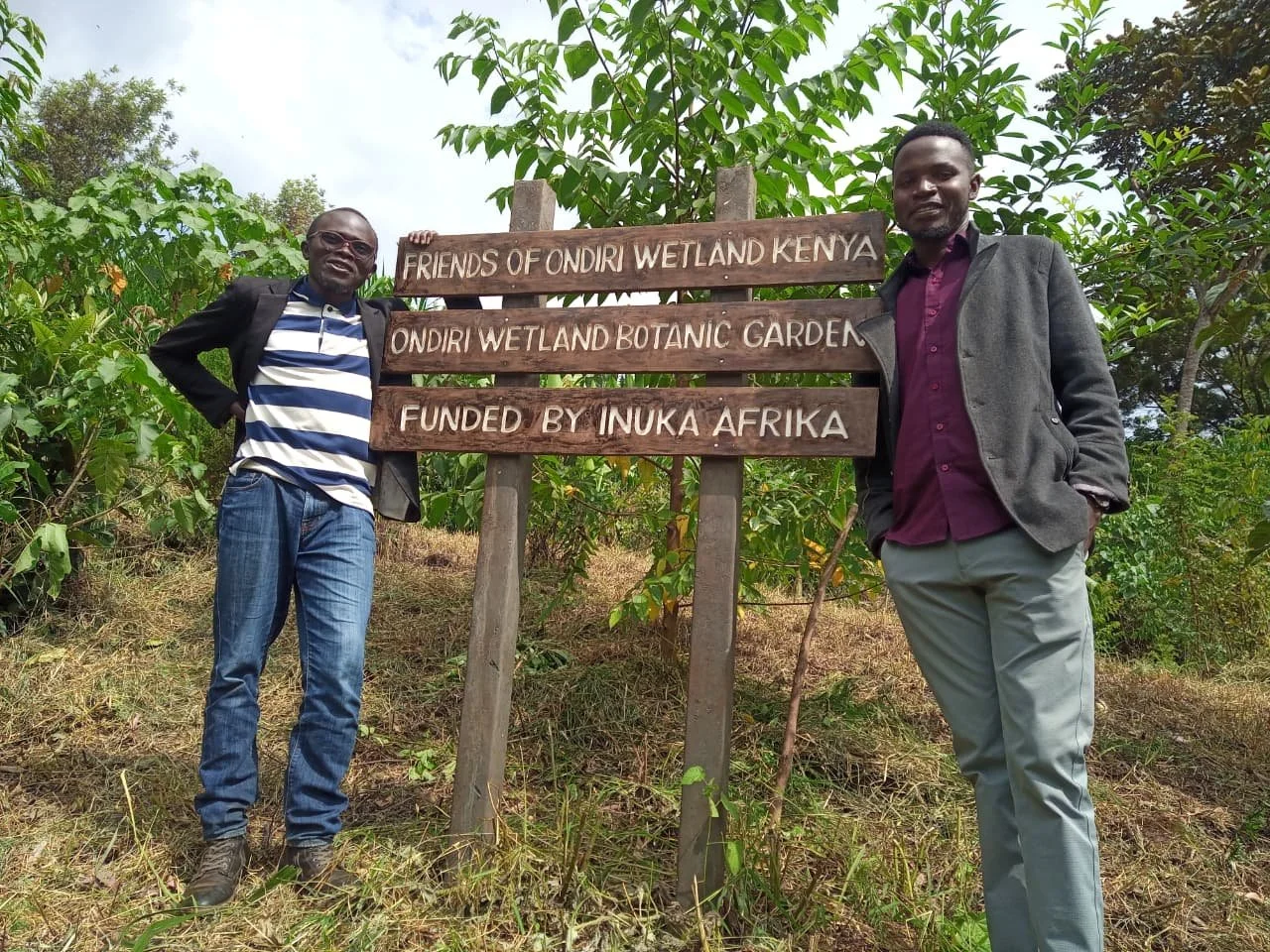
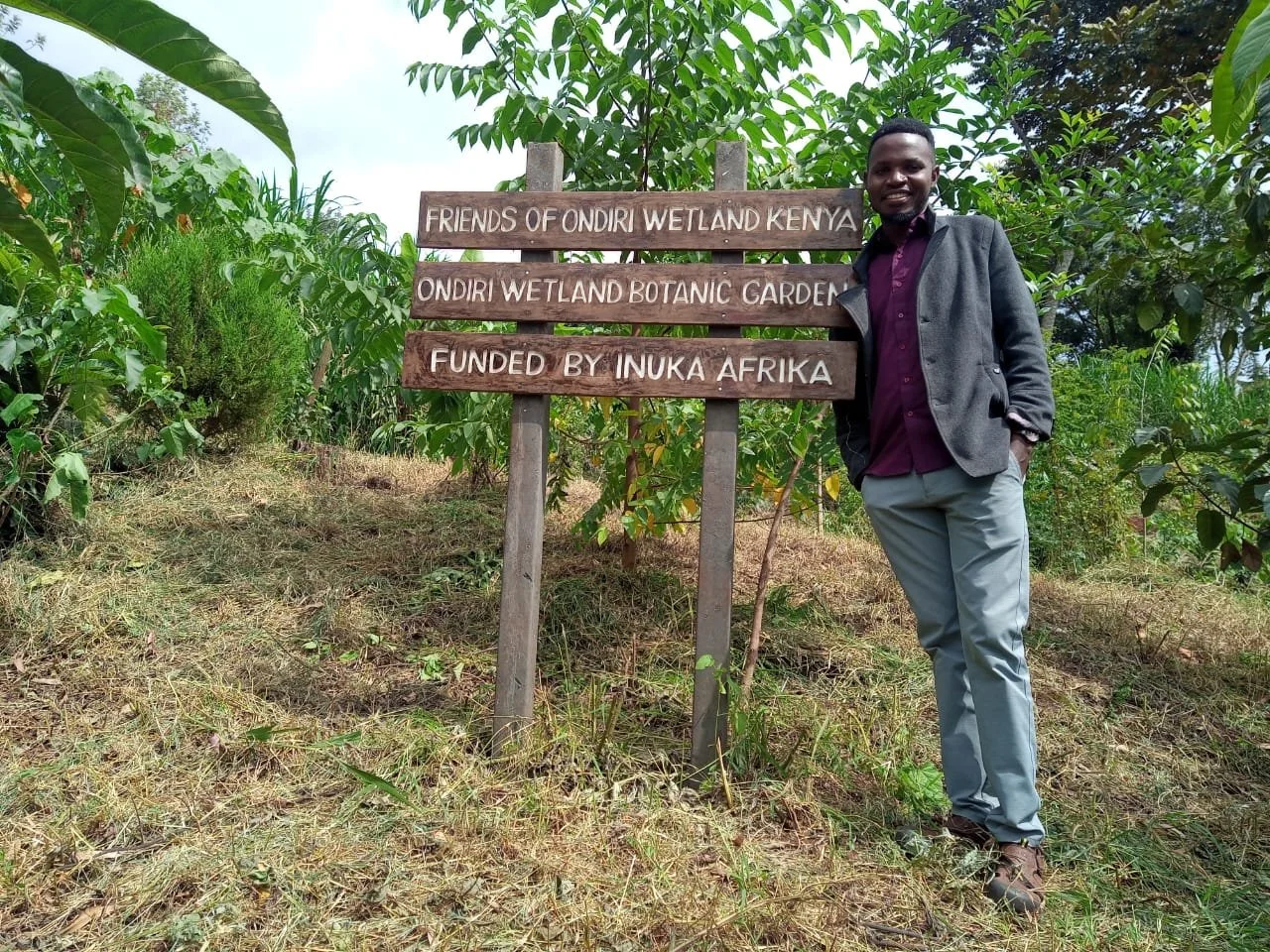
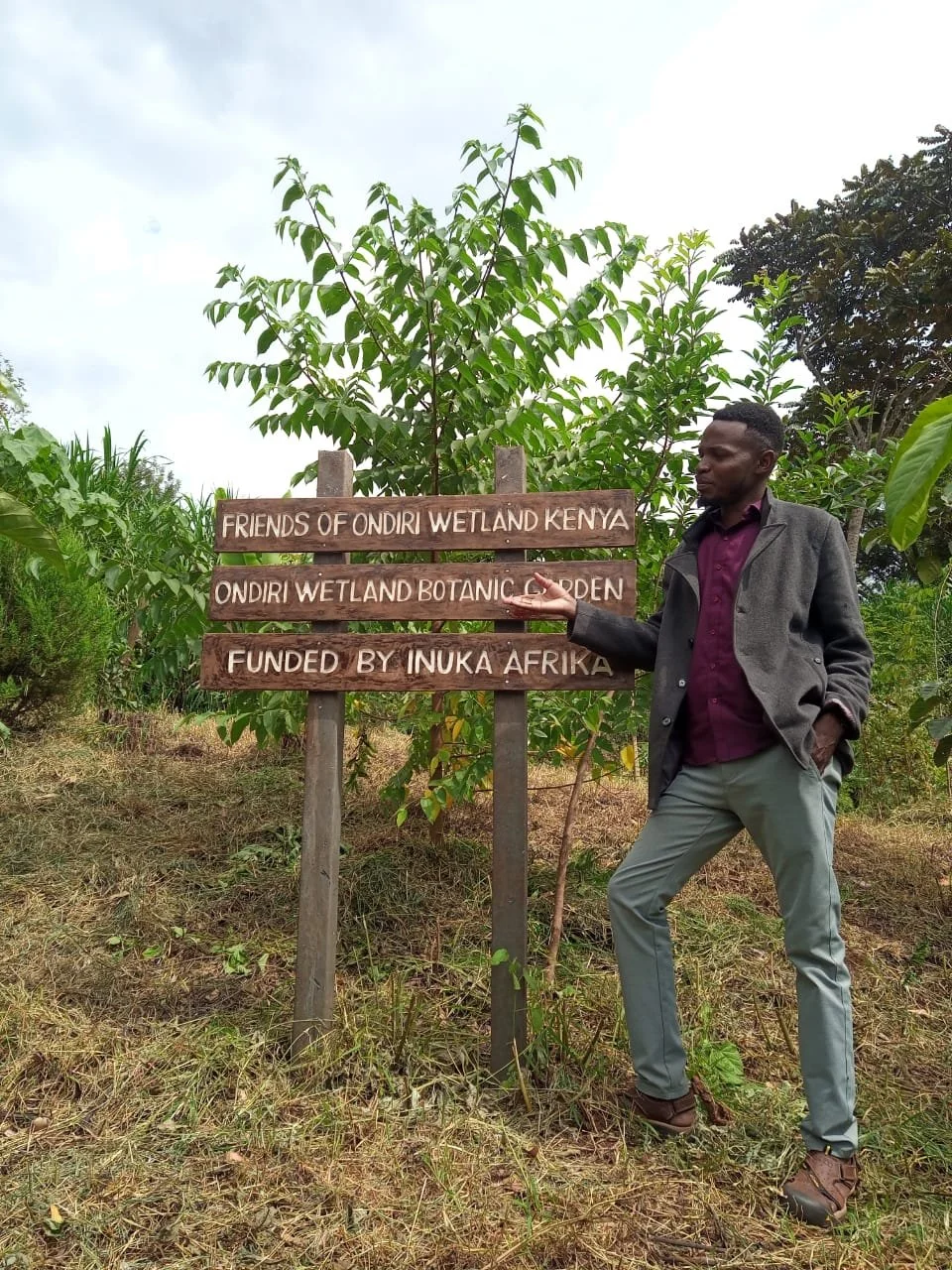
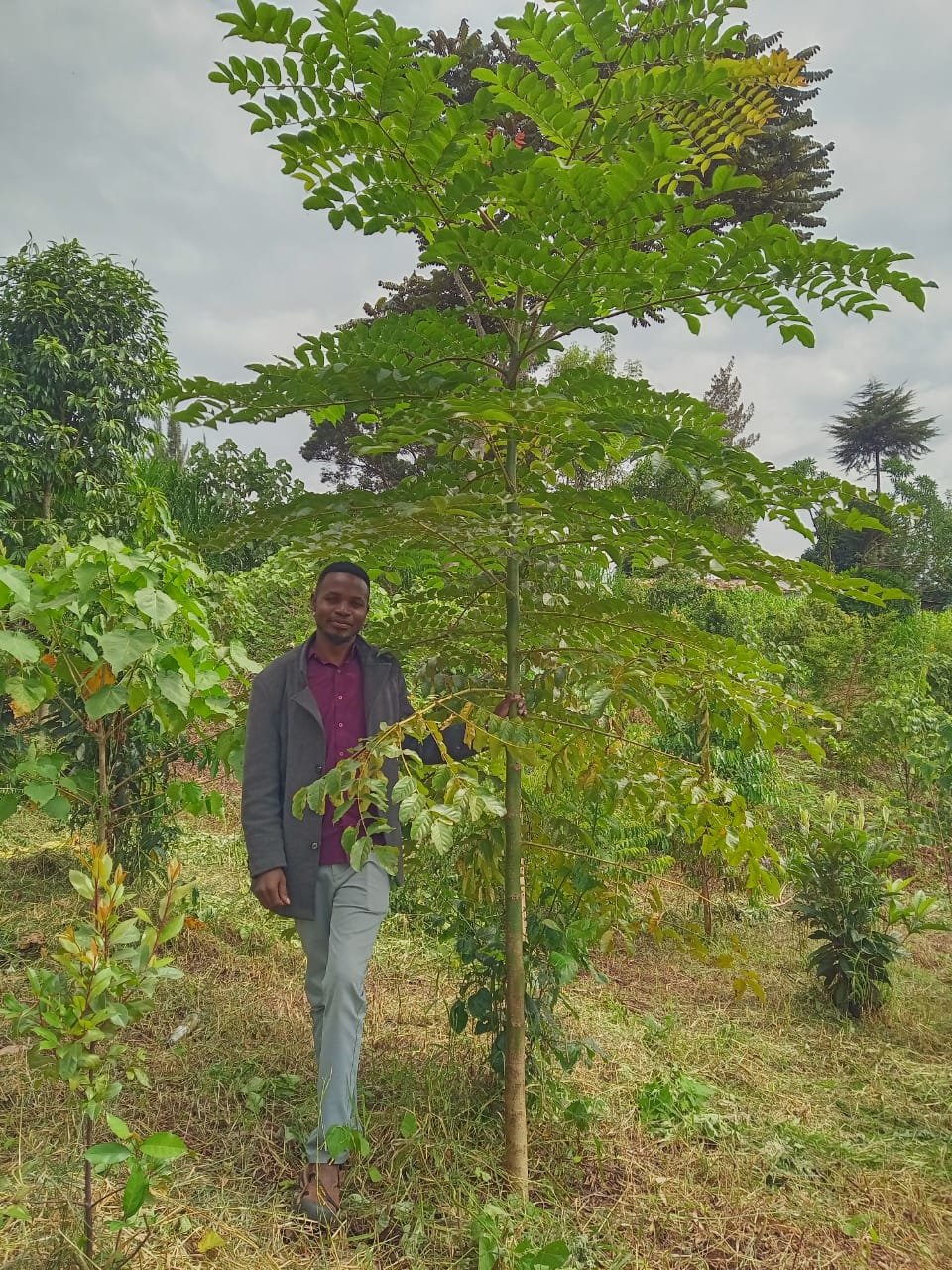
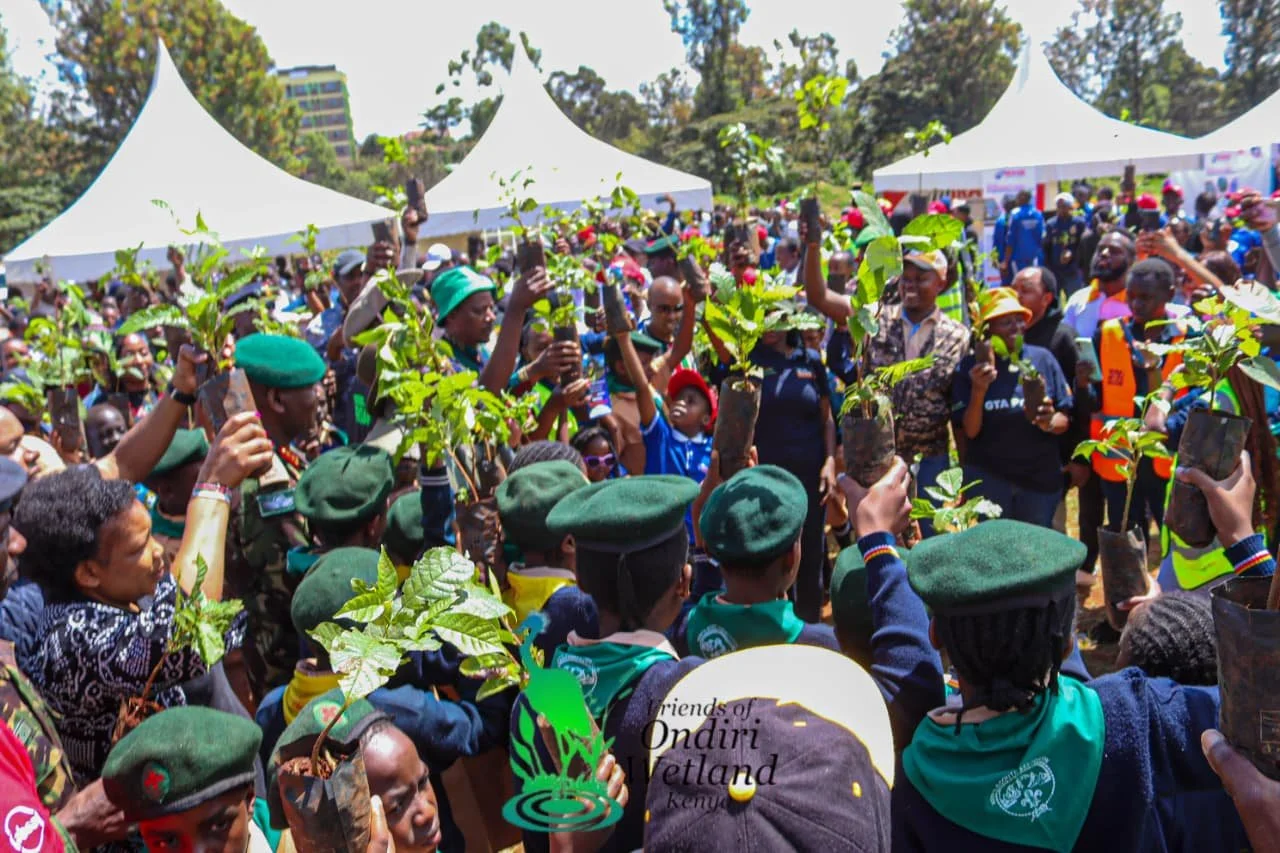
Why did we do this? It's because we understood the importance of integrating traditional knowledge and modern science to design a project that would last longer than ourselves. The journey was interesting and enriching. When the funds came in, we gathered all that we needed and we embarked on the work of establishing a botanic garden of its own kind within Kiambu County, of course, in partnership with Brackenhurst Botanic Garden as our mentors. We mobilised for the indigenous species native to the Kikuyu region and had them planted, within the Garden and some within the riparian land of the wetland and along the Nyongara River, the outlet of Ondiri Wetland.
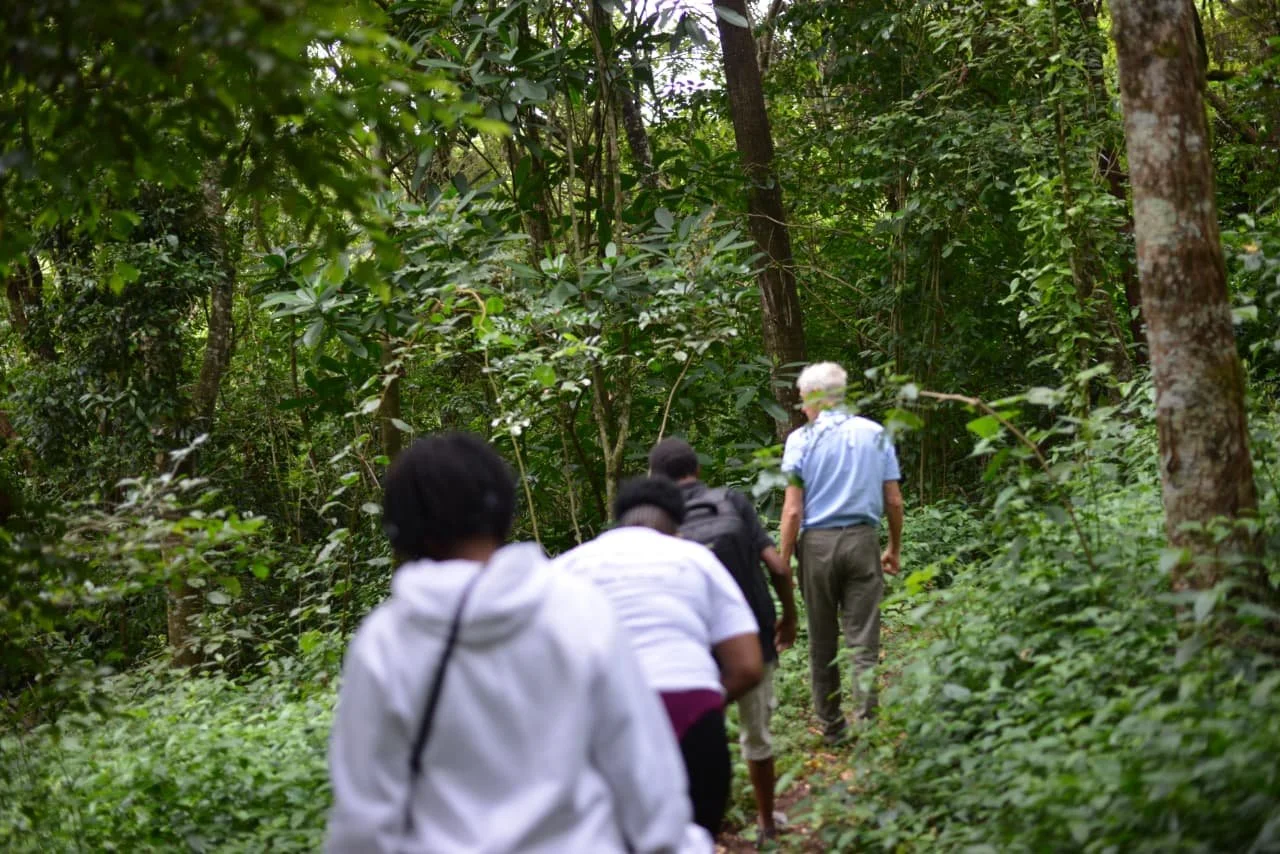
As we speak, we have more than 77 different tree species, indigenous and native to the region, planted in our garden. The trees are nearly two years old and have already formed a forest. We have noted heightened activities of different animals and soil micro-organisms, some that were long lost. The soil is buzzing with nutrients and has produced some of the most nutritious vegetables we have had in a long time.
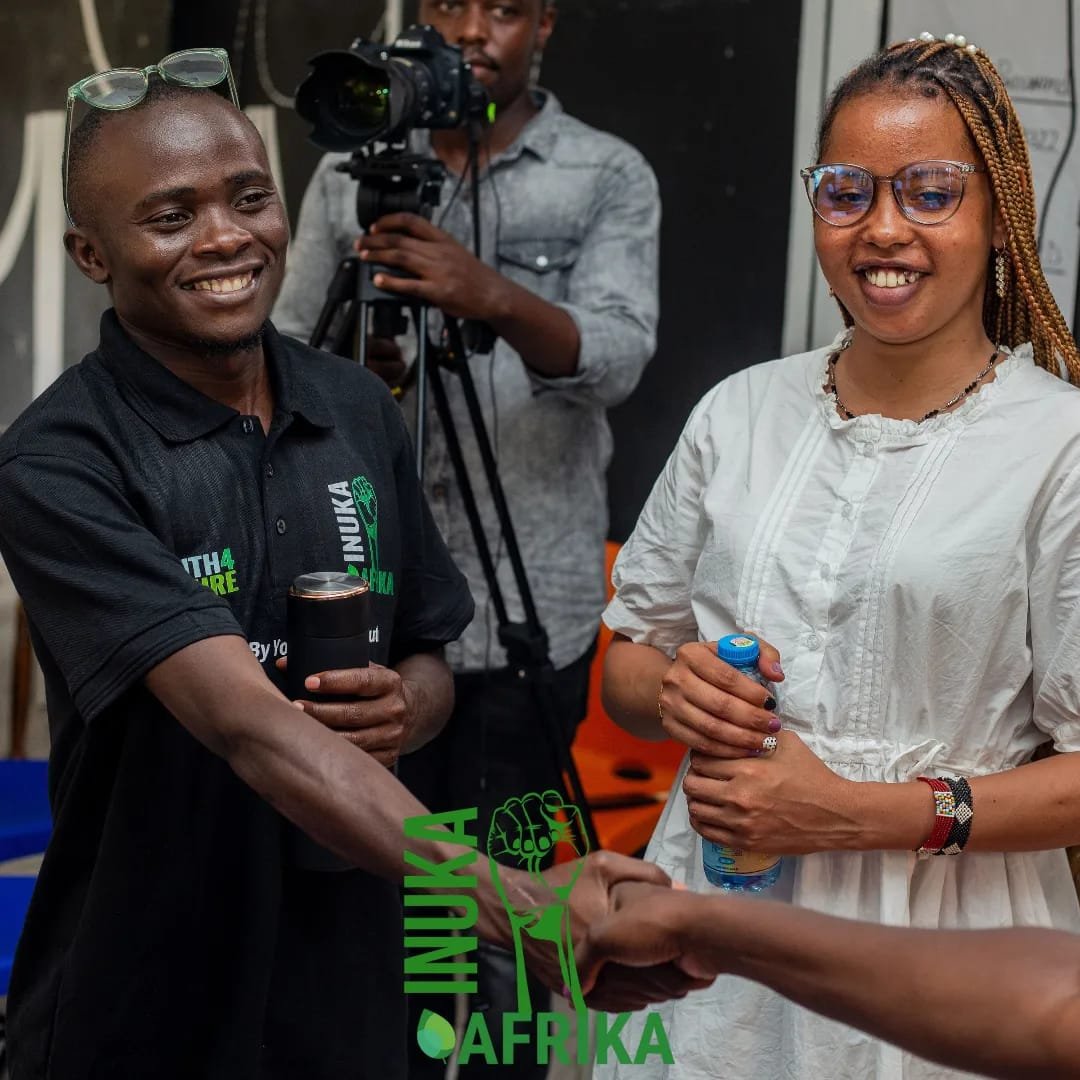
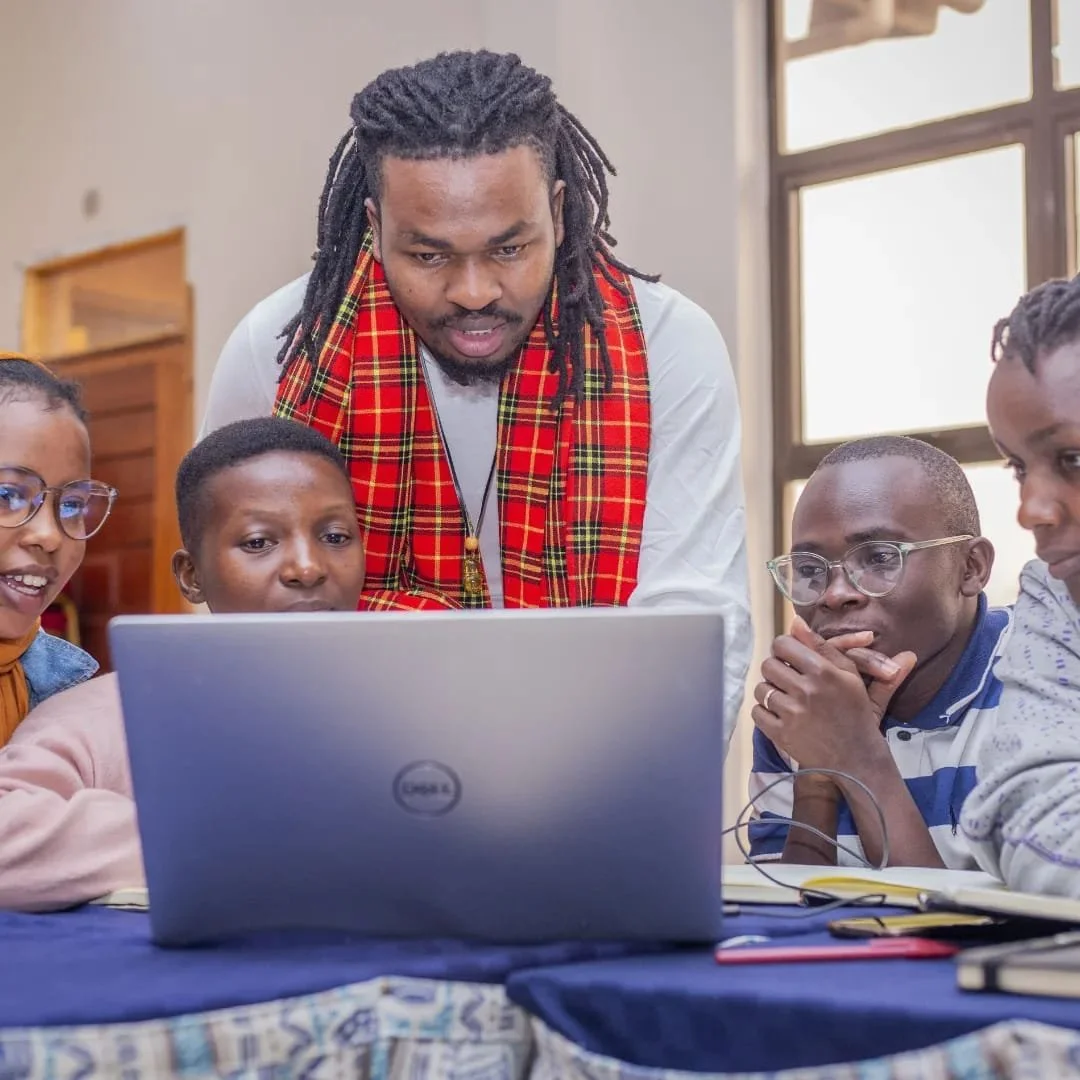
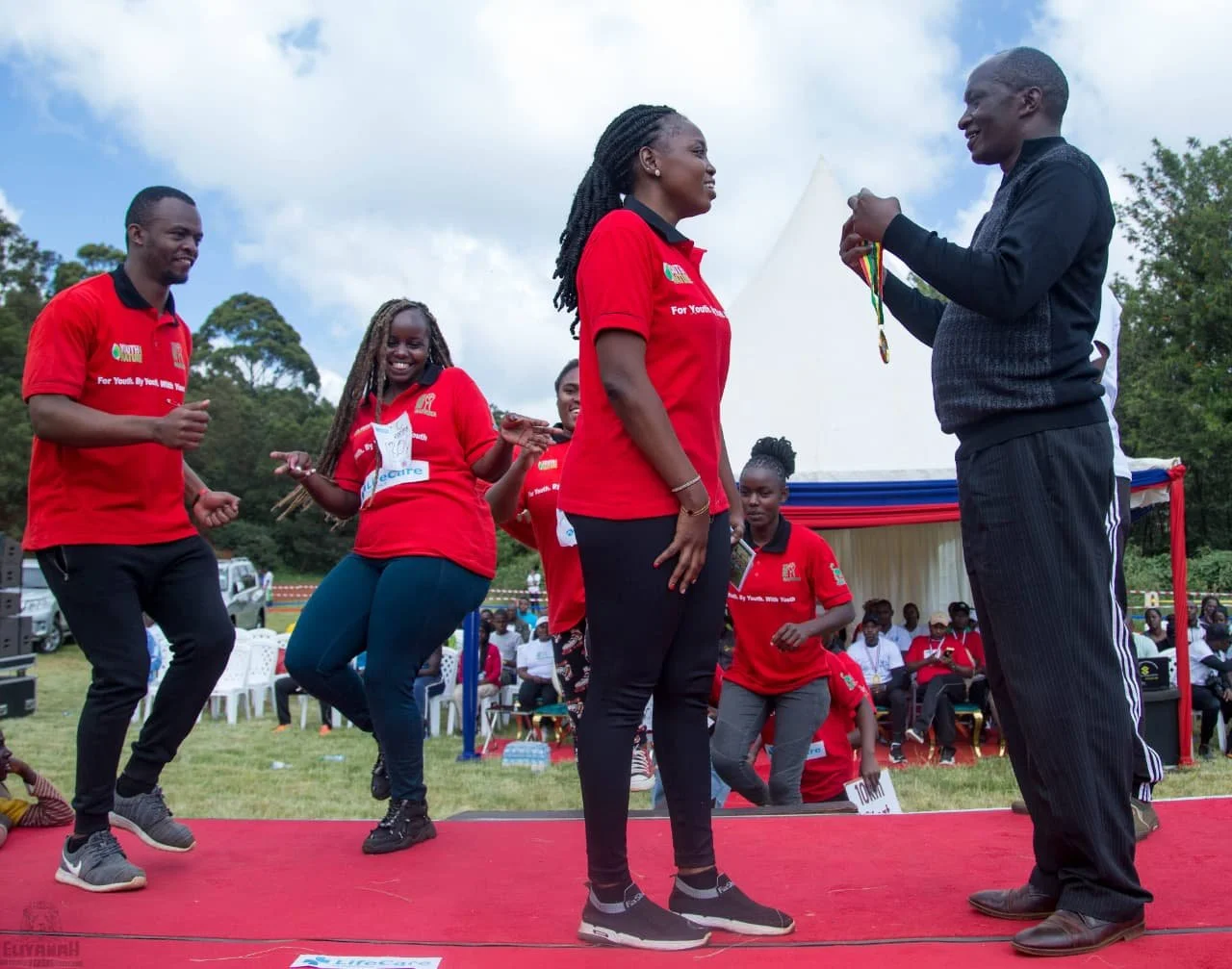
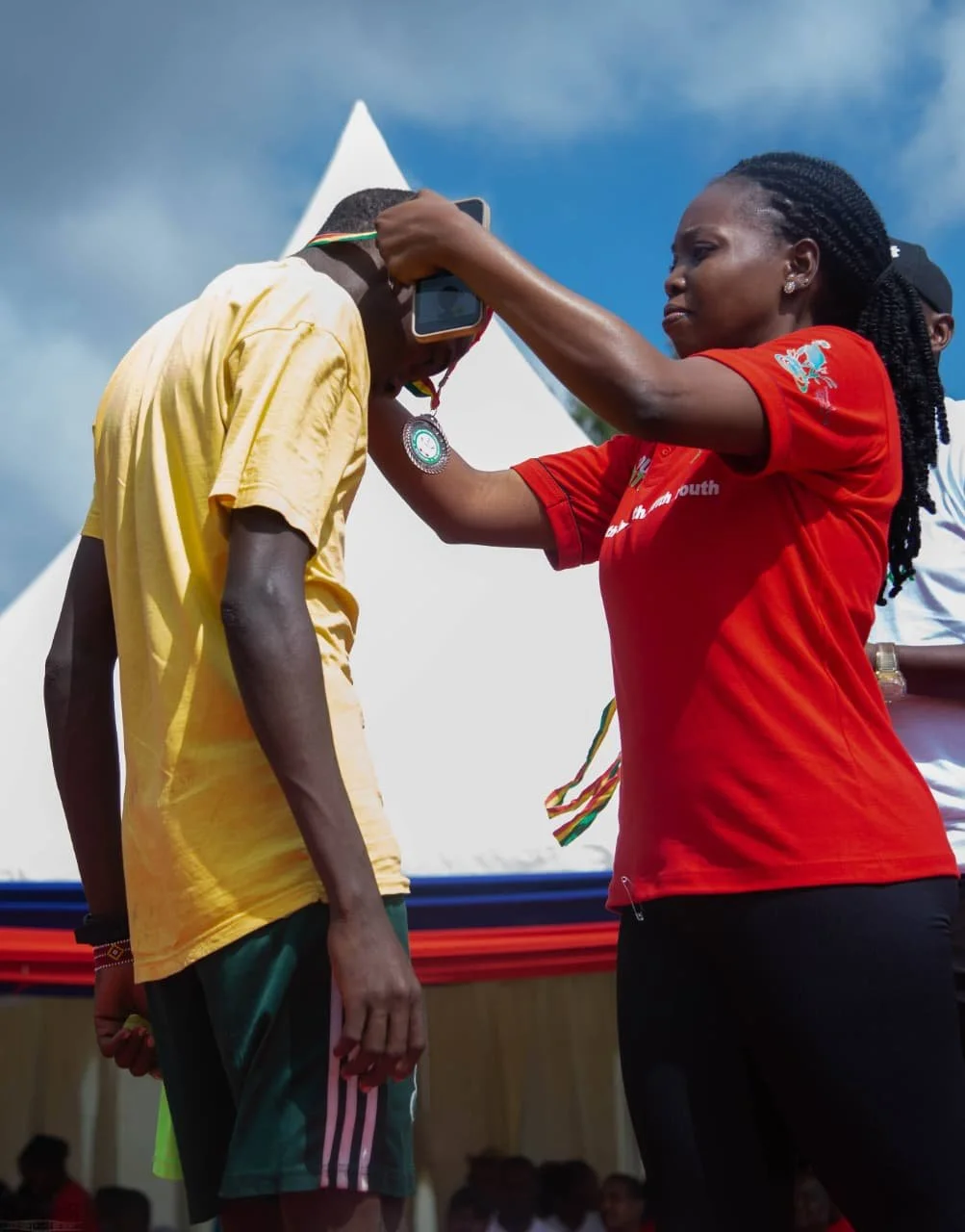
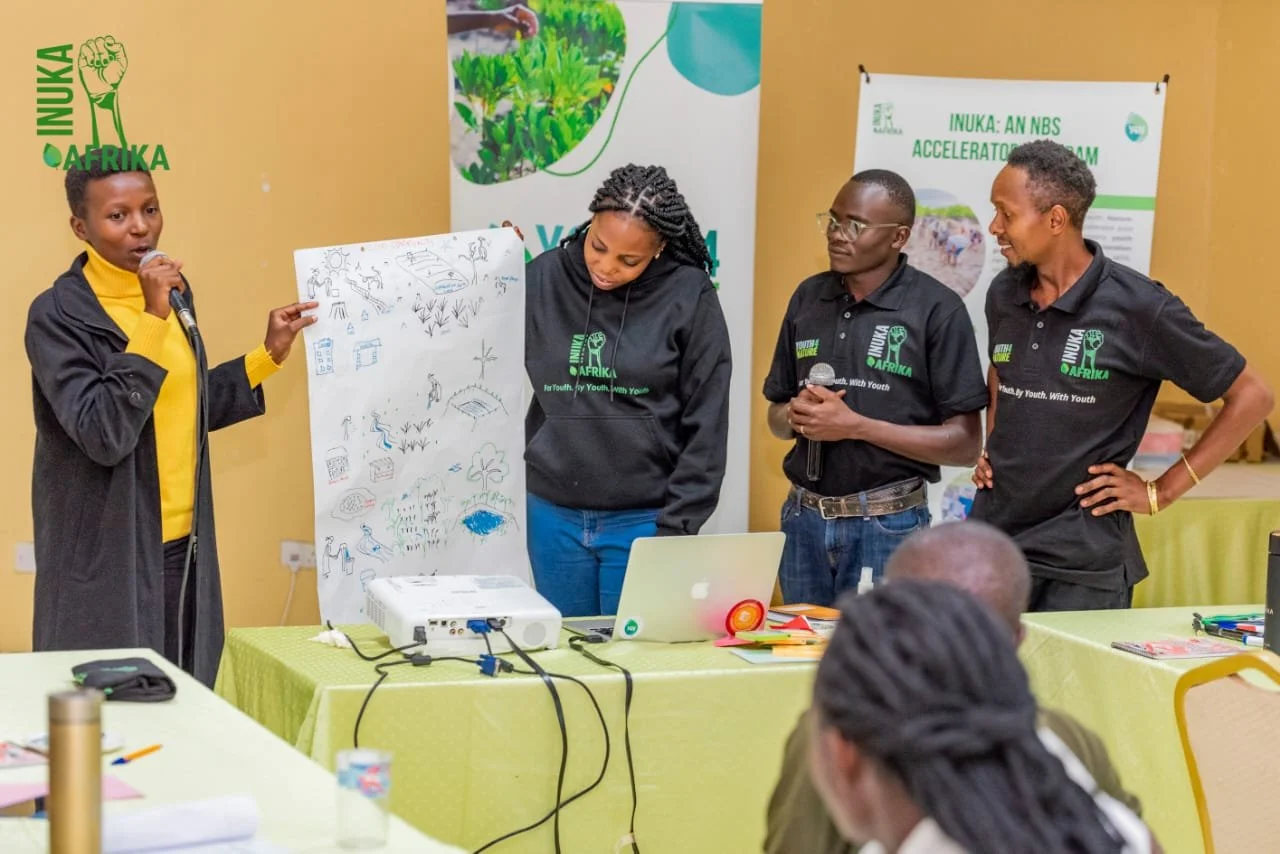
Together with other initiatives we have undertaken, the water is cleaner and drinkable around the wetland. We look forward to fishing in the wetland soon. We have mobilized now more than 20000 members of the community to be part of the conservation journey. This would not have been possible without the support of Youth4Nature.
Our botanic garden has hosted more than 7000 people who have particularly visited for learning. These include local community members, people from institutions, and tourists. They have gotten an opportunity to learn from the live library we have established, in addition to the information contained in our Ondiri Wetland Information Centre. Key information from the botanic garden is of the names, scientific, English and local names of each species and outlining their uses to promote people’s appreciation of them and for conservation purposes. We have also extended this technique because we are establishing similar gardens in schools around the wetland to increase forest cover, enhance soil fertility and promote biodiversity restoration. Furthermore, last year, our botanic garden was filmed in a documentary by the G20 for UNCCD in the bid to amplify landscapes and ecosystems restoration, nature-based solutions and the application of drone technology in monitoring restoration work.
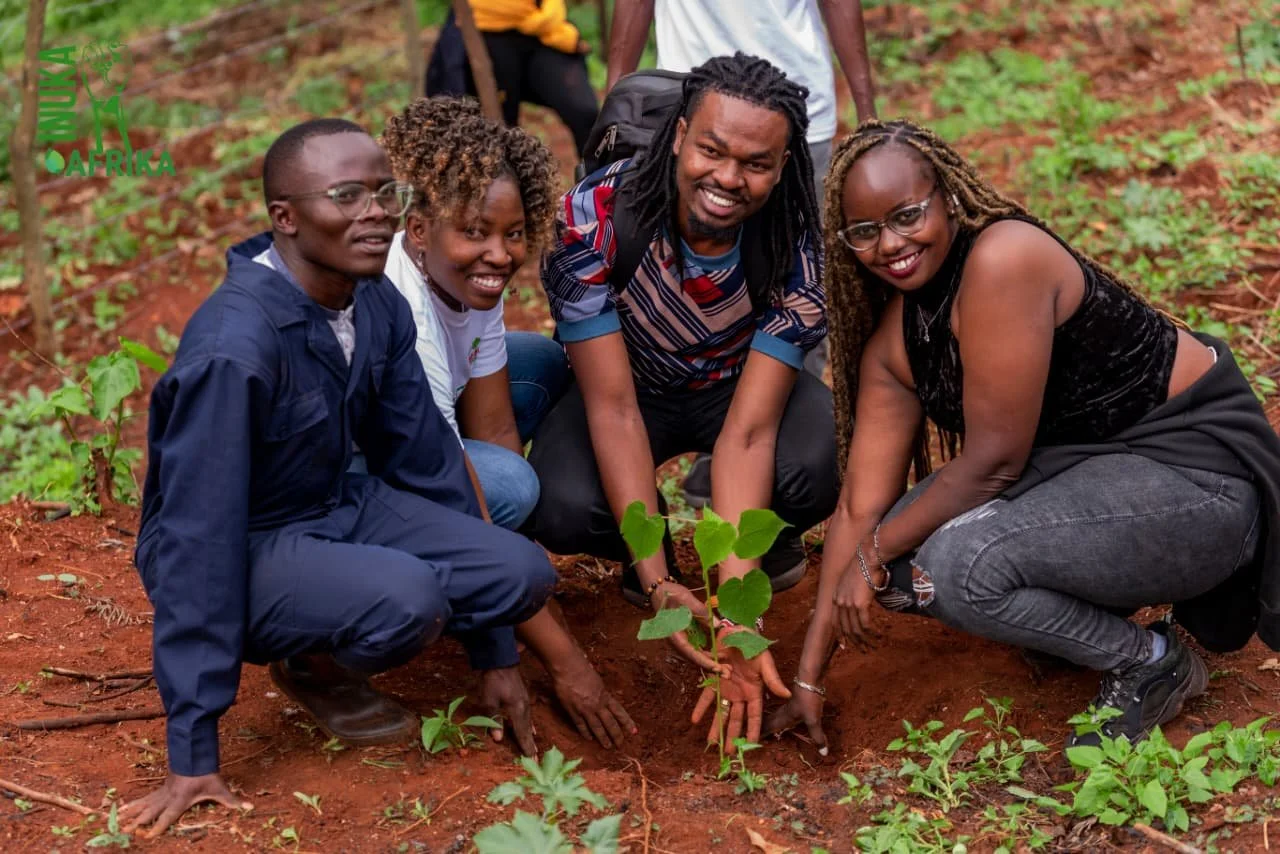
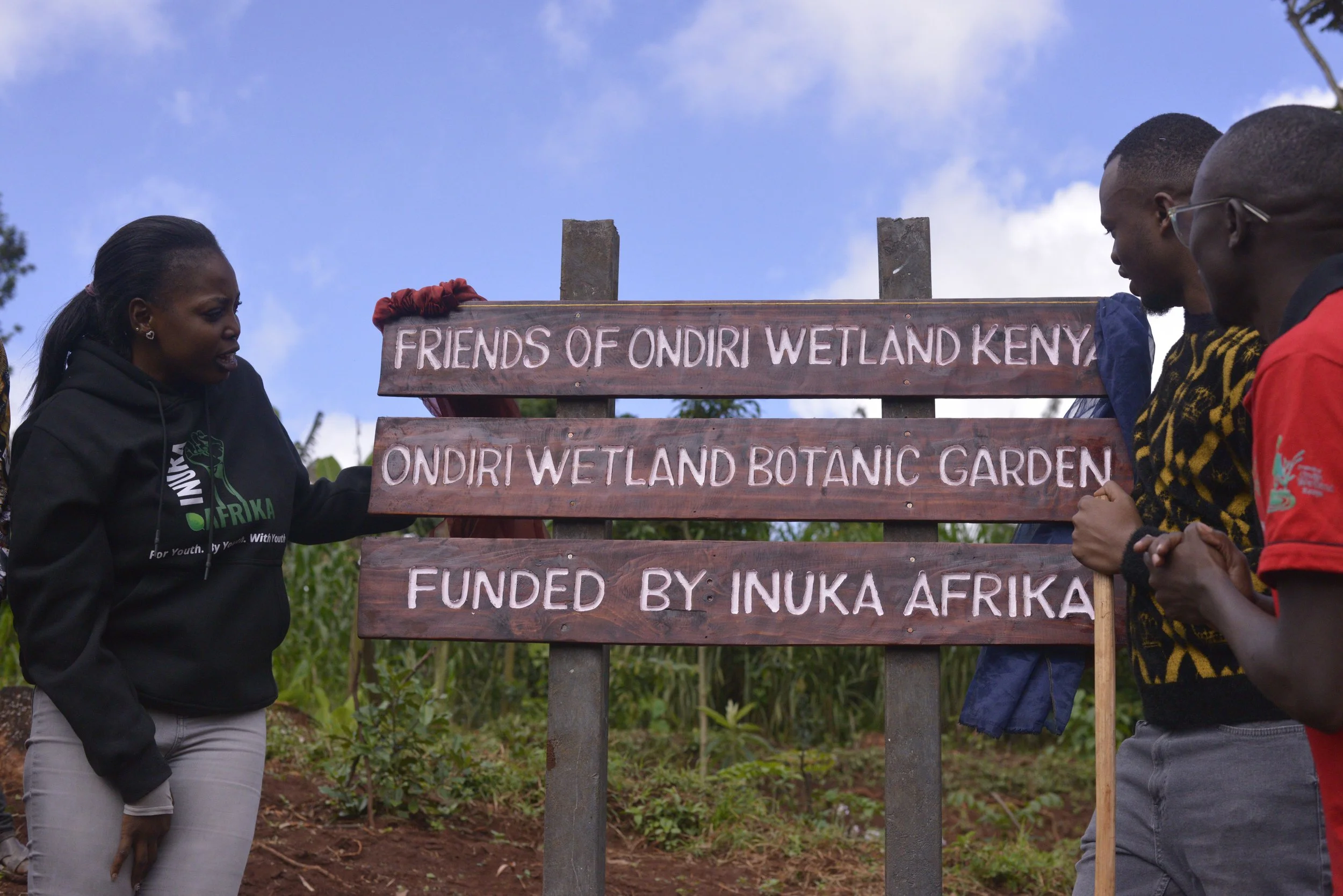
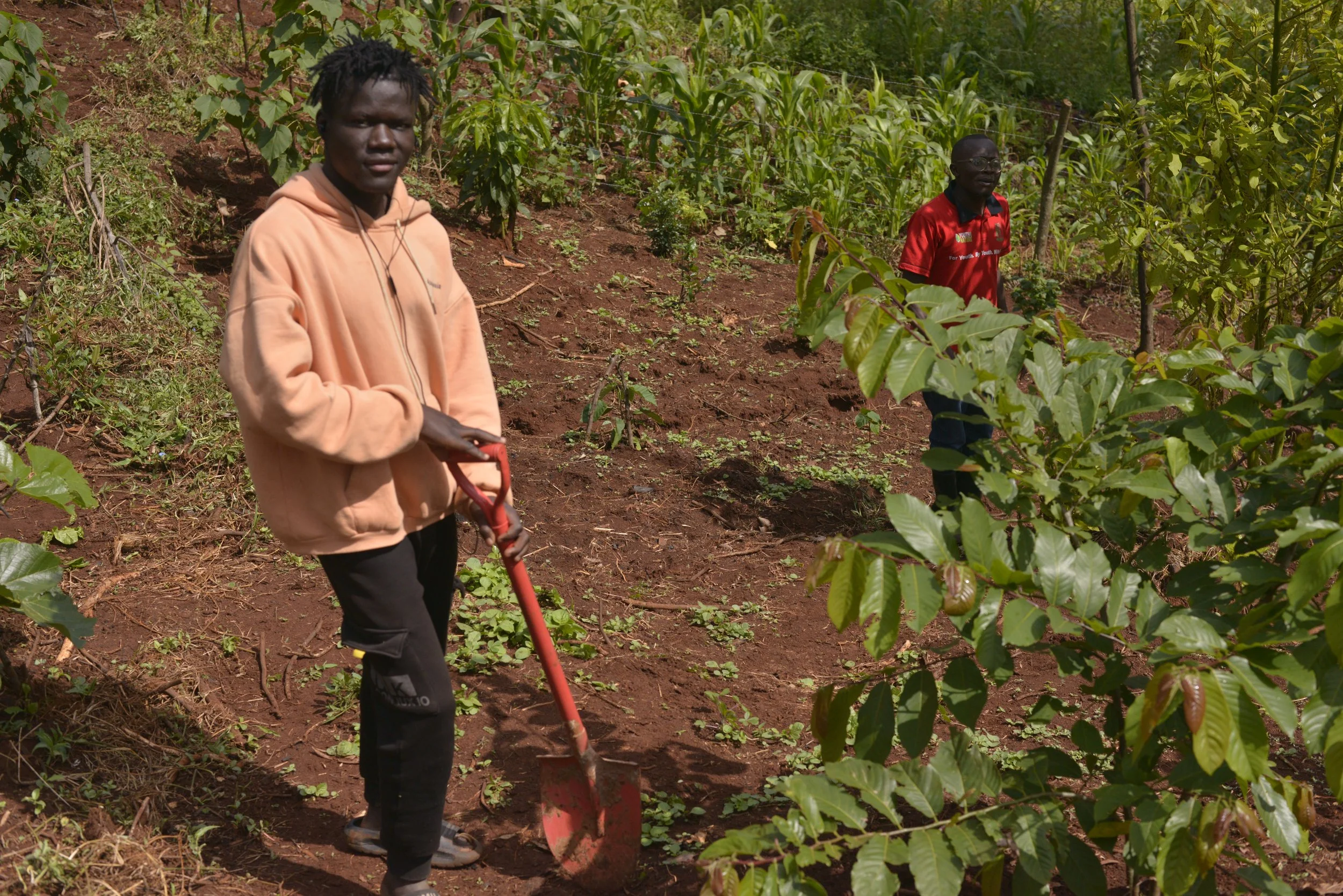
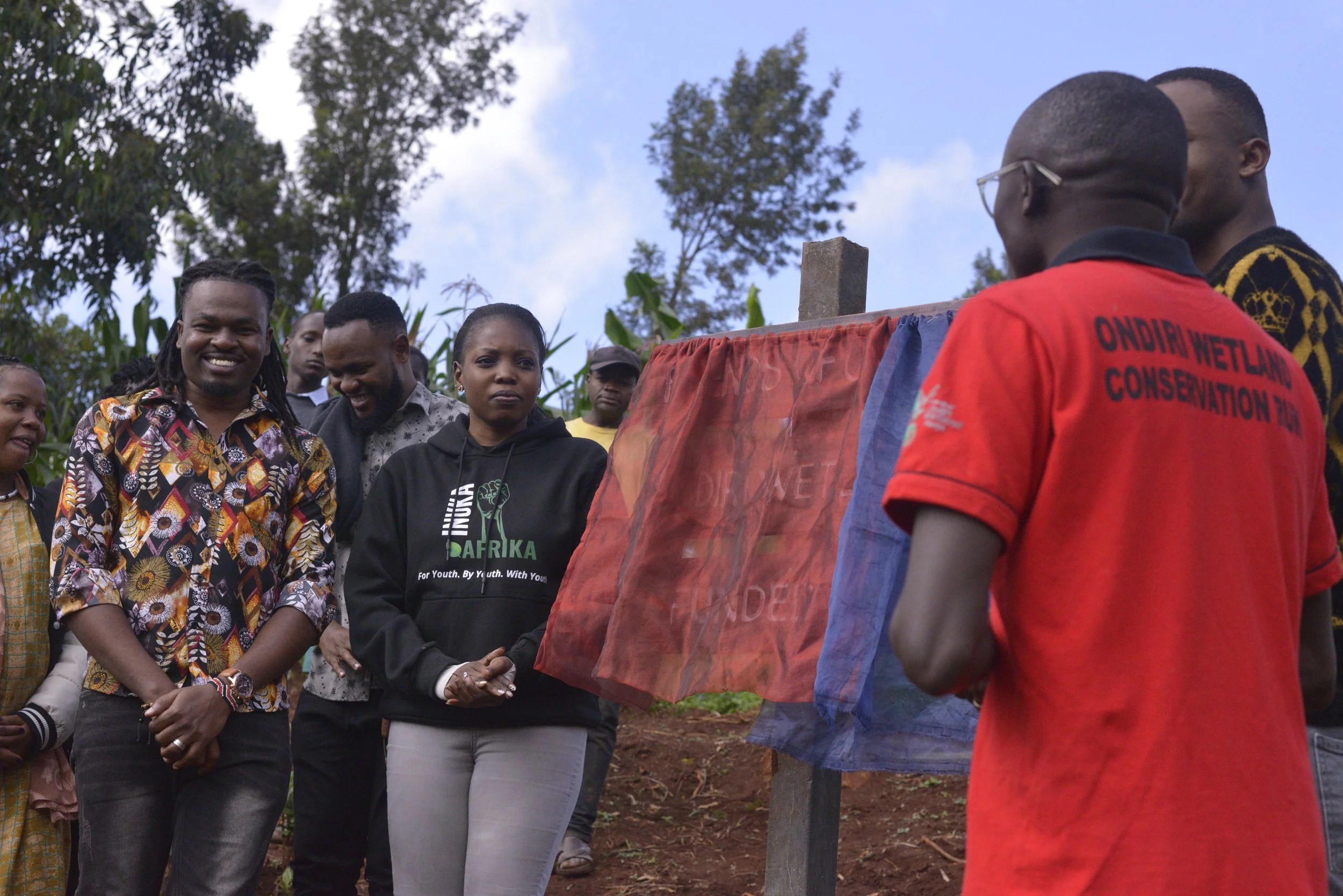
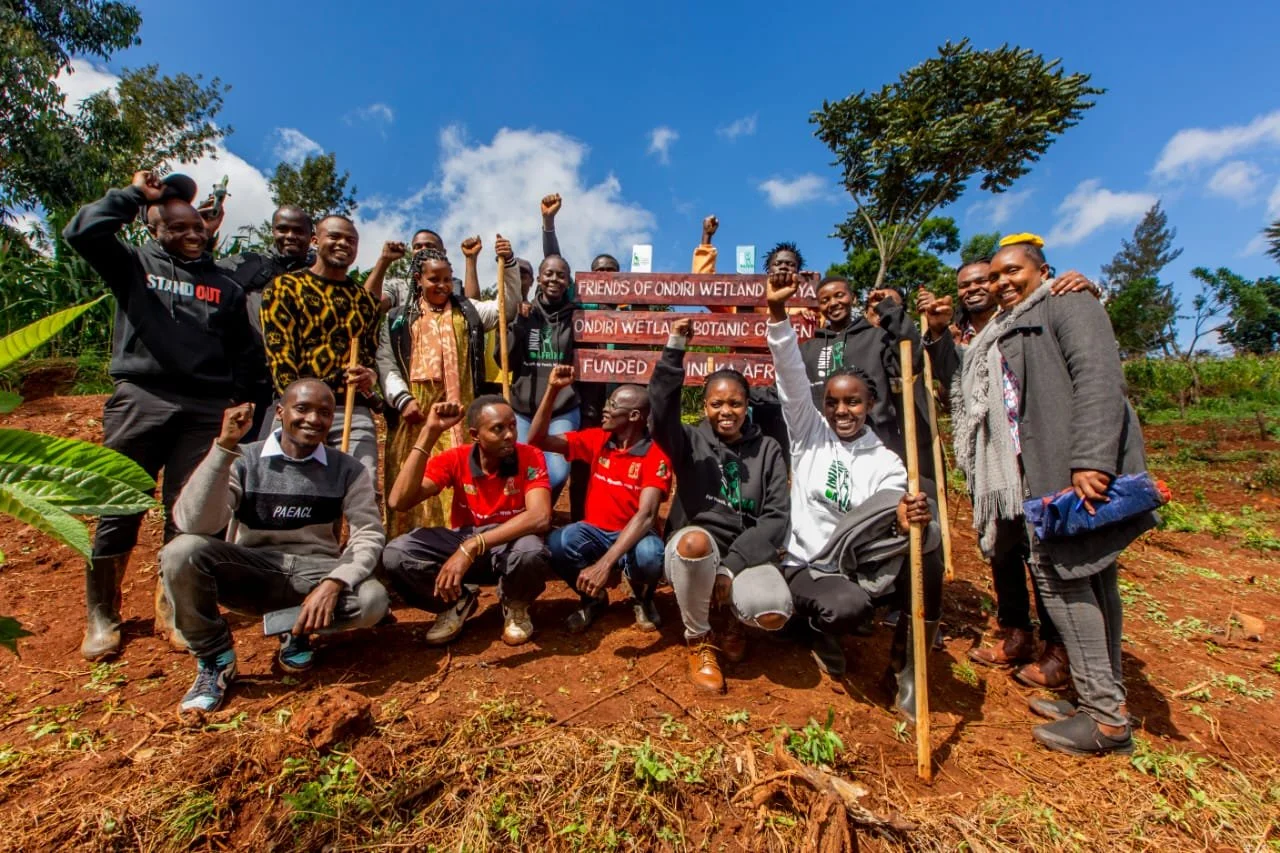
In conclusion, from the time Youth4Nature stepped in and supported our botanic gardens idea, we have realised growth. We have restored a large area, brought back important biodiversity components that were missing and now, people have come to appreciate the need to conserve the wetland even as they take value in the trees in the garden. Some are requesting similar species so they could plant them in their homes and on their farms. It is thanks to Youth4Nature through the INUKA Afrika project that we have done this, which has been like a stepping stone to bring more partners to support the conservation work at Ondiri Wetland.
About
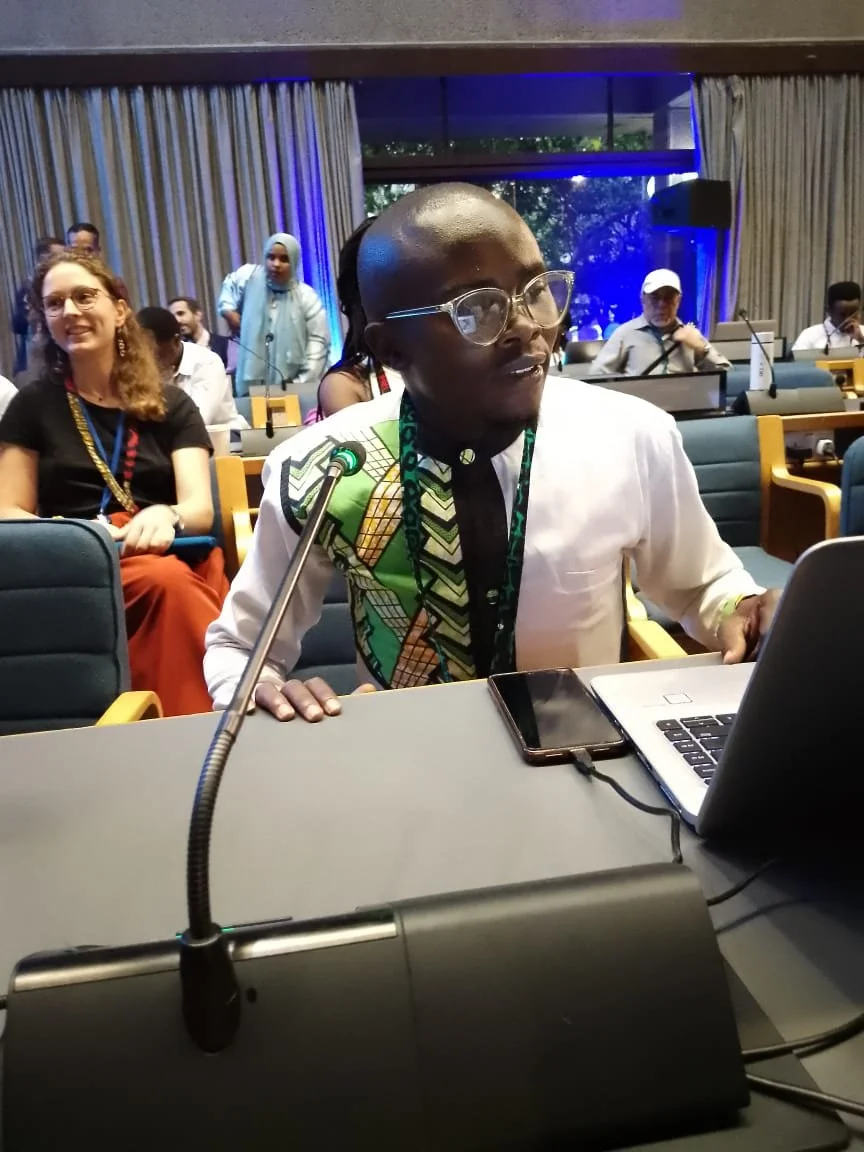
Robert Meya is currently the Executive Director of KEAN International, which is focused on youth action, knowledge sharing, policy influence and capacity building in environmental conservation and the fight against climate change. He is also the project's team lead at Friends of Ondiri Wetland Kenya, a community-based organisation that is championing the conservation of Ondiri Wetland and other wetlands in Kenya. He is also the communications team lead of Africa Climate and Environment Foundation, which is focused on mobilising youths to take action in environmental conservation, poverty alleviation and creating awareness. Robert Meya is a holder of a B.Ed (Arts) in Geography and Mathematics, majoring in Geography and specialising in environmental studies.