
Ripples of Hope : Exploring the Hidden Life of Freshwater and Wetlands in Banten
by Moh Adi Wiranata
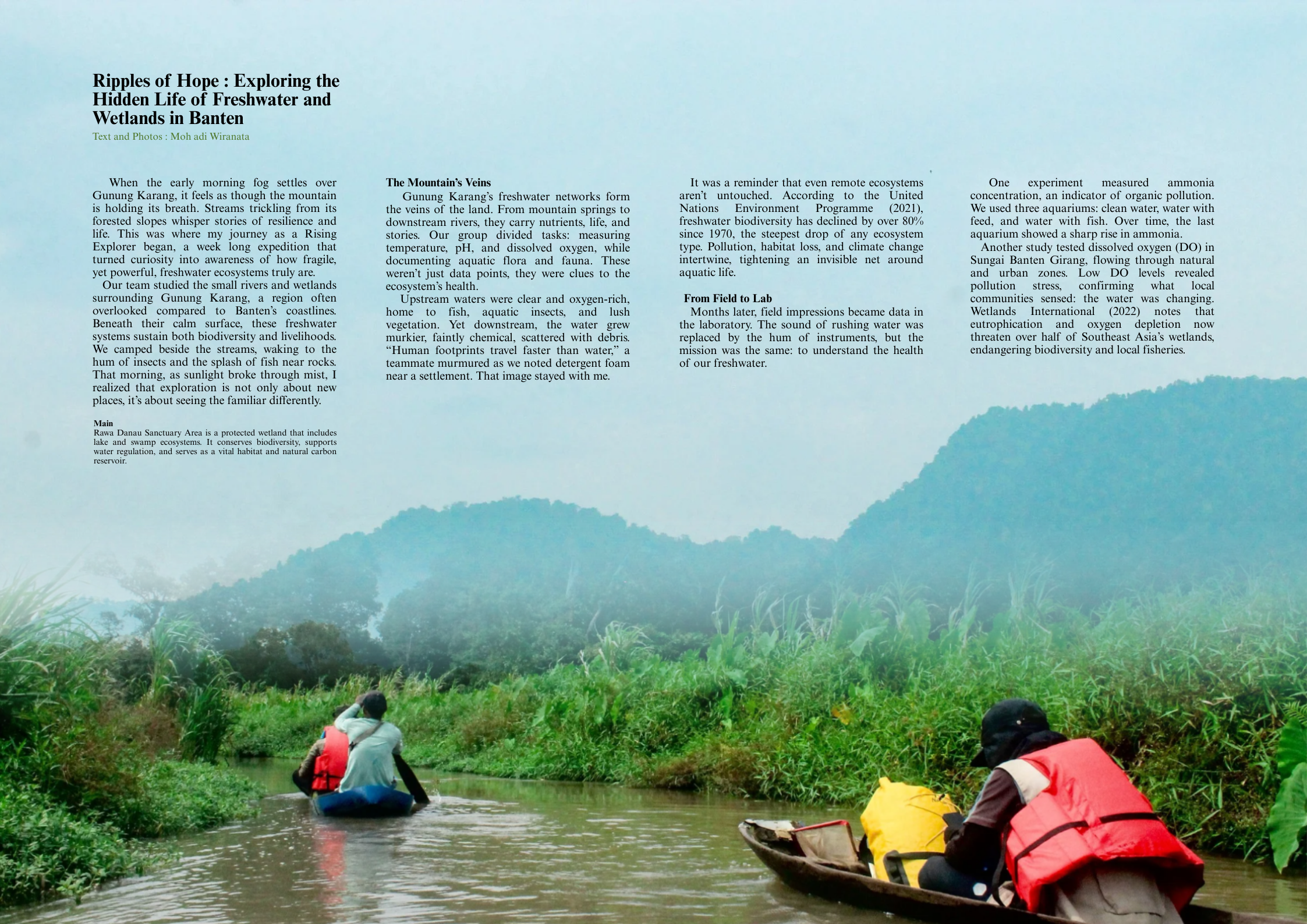
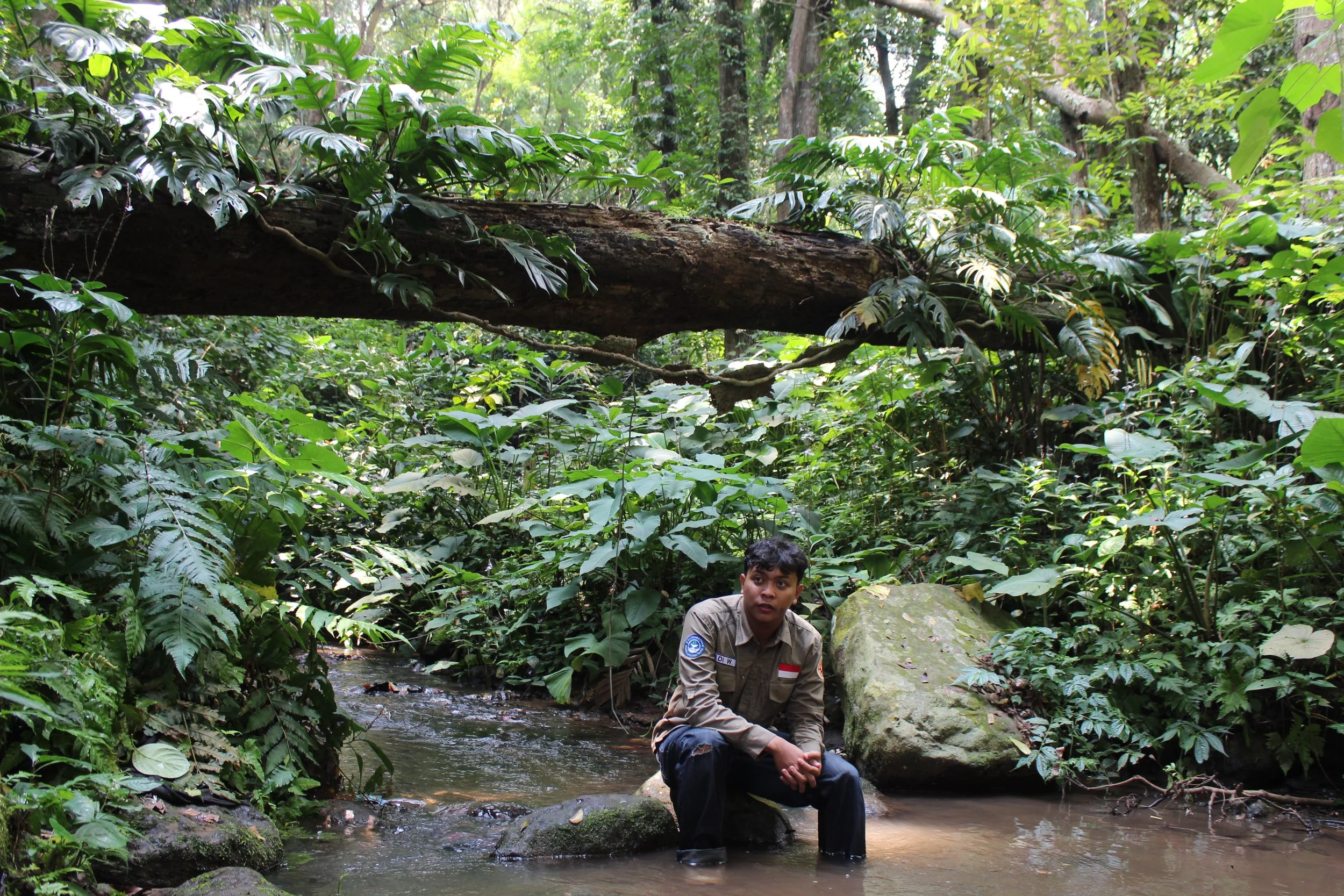
When the early morning fog settles over Gunung Karang, it feels as though the mountain is holding its breath. Streams trickling from its forested slopes whisper stories of resilience and life. This was where my journey as a Rising Explorer began, a week long expedition that turned curiosity into awareness of how fragile, yet powerful, freshwater ecosystems truly are.
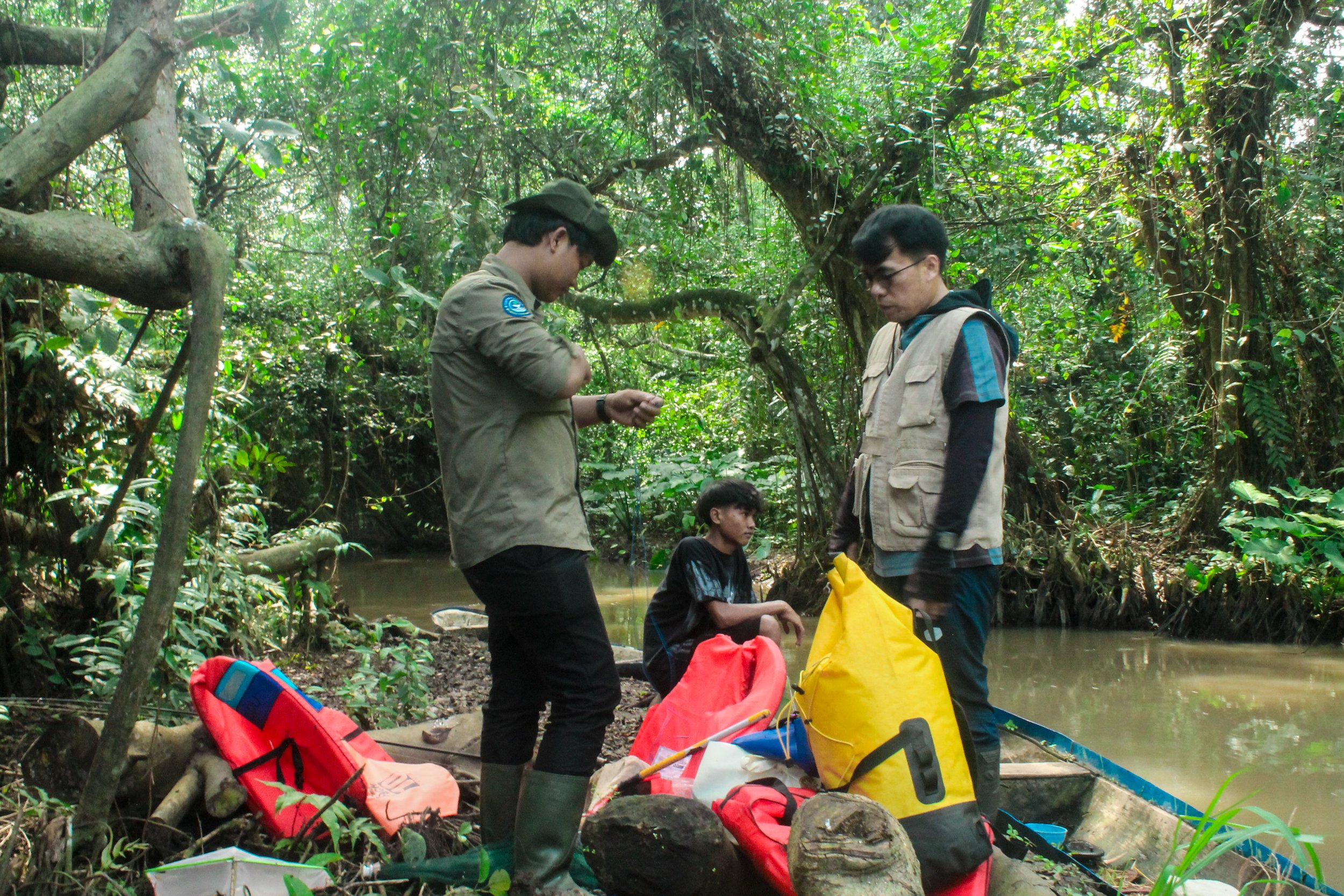
Our team studied the small rivers and wetlands surrounding Gunung Karang, a region often overlooked compared to Banten’s coastlines. Beneath their calm surface, these freshwater systems sustain both biodiversity and livelihoods. We camped beside the streams, waking to the hum of insects and the splash of fish near rocks. That morning, as sunlight broke through mist, I realized that exploration is not only about new places, it’s about seeing the familiar differently.
The Mountain’s Veins
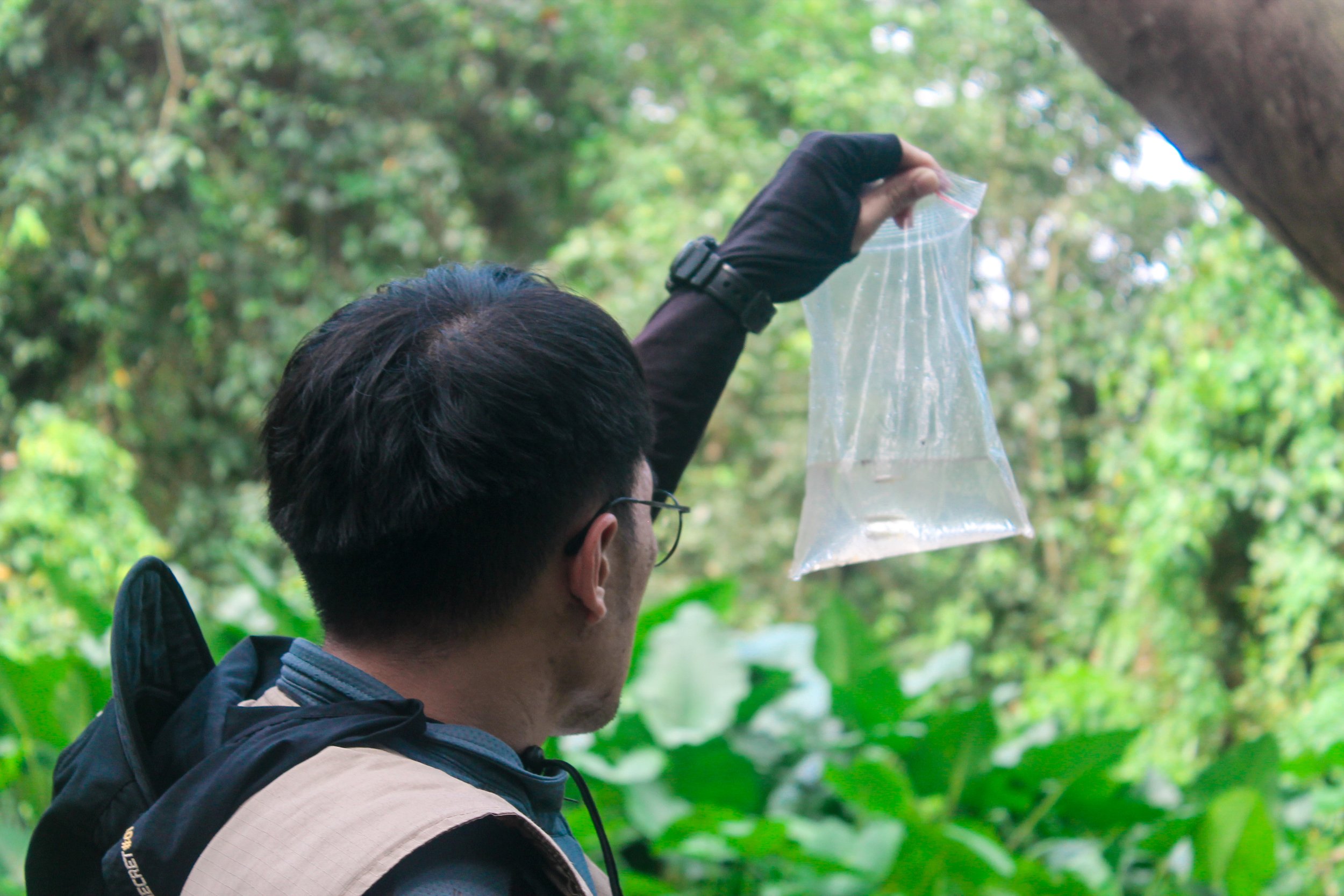
Gunung Karang’s freshwater networks form the veins of the land. From mountain springs to downstream rivers, they carry nutrients, life, and stories. Our group divided tasks: measuring temperature, pH, and dissolved oxygen, while documenting aquatic flora and fauna. These weren’t just data points, they were clues to the ecosystem’s health.
Upstream waters were clear and oxygen-rich, home to fish, aquatic insects, and lush vegetation. Yet downstream, the water grew murkier, faintly chemical, scattered with debris. “Human footprints travel faster than water,” a teammate murmured as we noted detergent foam near a settlement. That image stayed with me.
It was a reminder that even remote ecosystems aren’t untouched. According to the United Nations Environment Programme (2021), freshwater biodiversity has declined by over 80% since 1970, the steepest drop of any ecosystem type. Pollution, habitat loss, and climate change intertwine, tightening an invisible net around aquatic life.
From Field to Lab
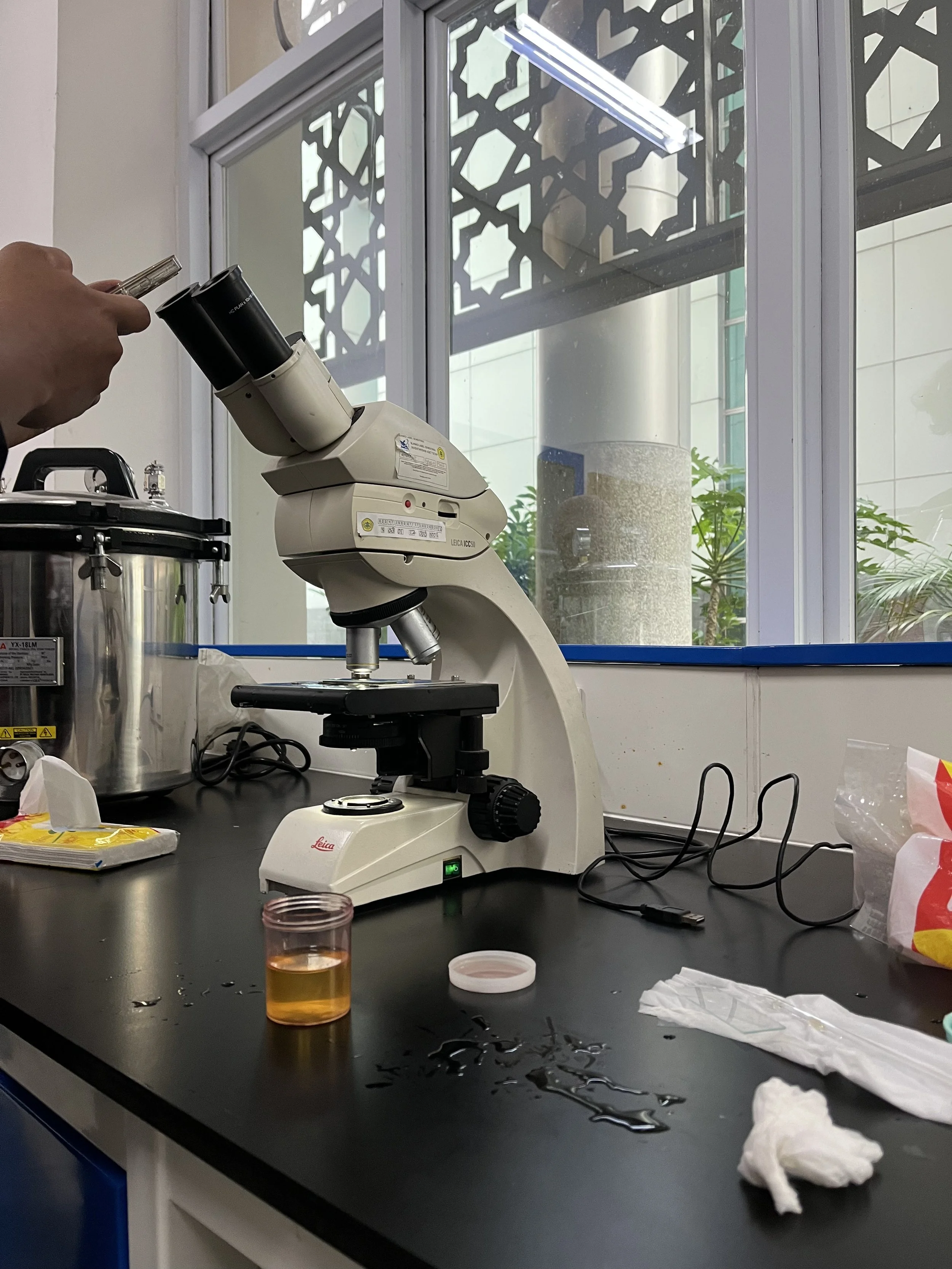
Months later, field impressions became data in the laboratory. The sound of rushing water was replaced by the hum of instruments, but the mission was the same: to understand the health of our freshwater.
One experiment measured ammonia concentration, an indicator of organic pollution. We used three aquariums: clean water, water with feed, and water with fish. Over time, the last aquarium showed a sharp rise in ammonia.
Another study tested dissolved oxygen (DO) in Sungai Banten Girang, flowing through natural and urban zones. Low DO levels revealed pollution stress, confirming what local communities sensed: the water was changing. Wetlands International (2022) notes that eutrophication and oxygen depletion now threaten over half of Southeast Asia’s wetlands, endangering biodiversity and local fisheries.
Where Science Meets Stories
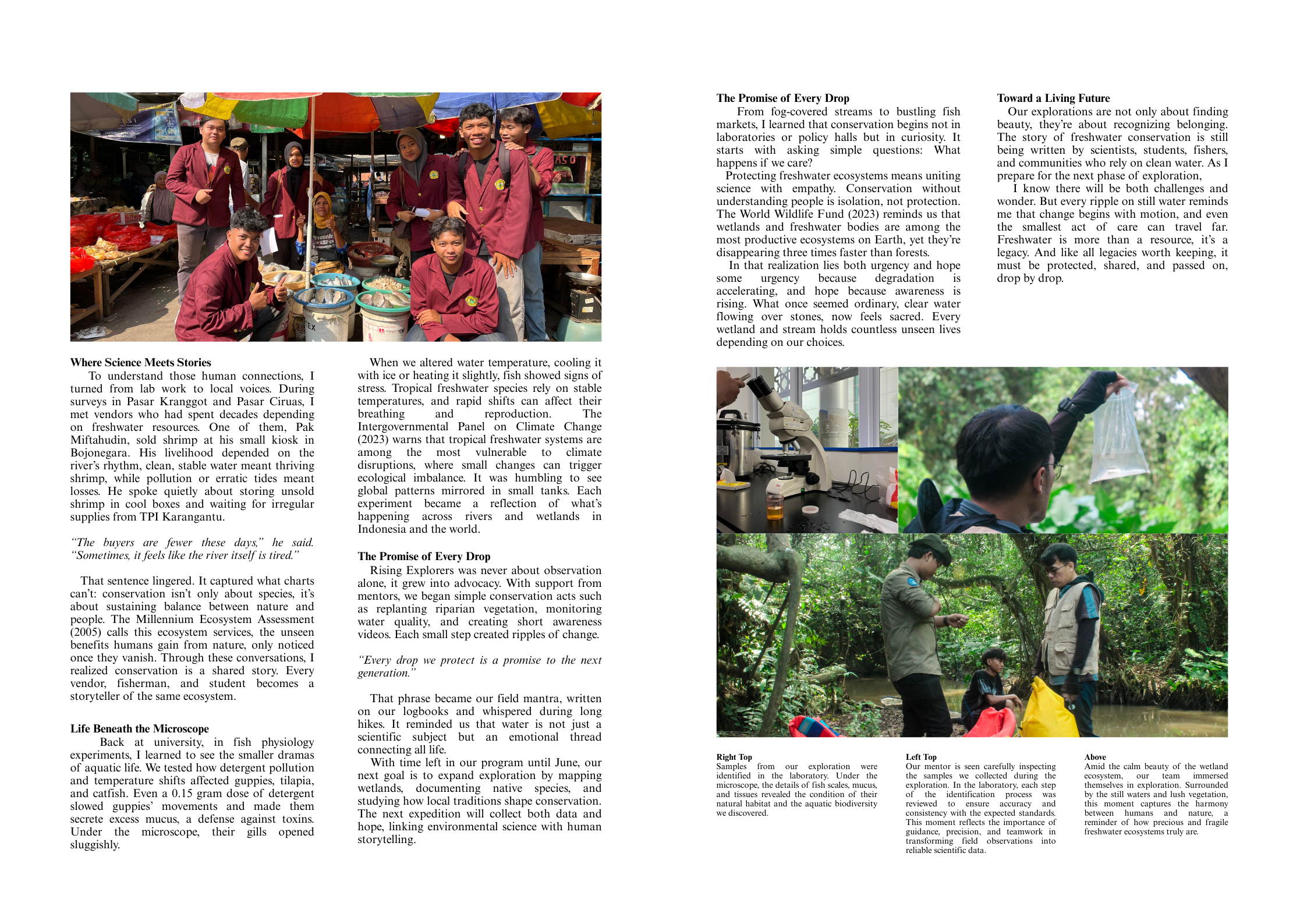
To understand those human connections, I turned from lab work to local voices. During surveys in Pasar Kranggot and Pasar Ciruas, I met vendors who had spent decades depending on freshwater resources. One of them, Pak Miftahudin, sold shrimp at his small kiosk in Bojonegara. His livelihood depended on the river’s rhythm, clean, stable water meant thriving shrimp, while pollution or erratic tides meant losses. He spoke quietly about storing unsold shrimp in cool boxes and waiting for irregular supplies from TPI Karangantu.
“The buyers are fewer these days,” he said. “Sometimes, it feels like the river itself is tired.”
That sentence lingered. It captured what charts can’t: conservation isn’t only about species, it’s about sustaining balance between nature and people. The Millennium Ecosystem Assessment (2005) calls this ecosystem services, the unseen benefits humans gain from nature, only noticed once they vanish. Through these conversations, I realized conservation is a shared story. Every vendor, fisherman, and student becomes a storyteller of the same ecosystem.
Life Beneath the Microscope
Back at university, in fish physiology experiments, I learned to see the smaller dramas of aquatic life. We tested how detergent pollution and temperature shifts affected guppies, tilapia, and catfish. Even a 0.15 gram dose of detergent slowed guppies’ movements and made them secrete excess mucus, a defense against toxins. Under the microscope, their gills opened sluggishly.
When we altered water temperature, cooling it with ice or heating it slightly, fish showed signs of stress. Tropical freshwater species rely on stable temperatures, and rapid shifts can affect their breathing and reproduction. The Intergovernmental Panel on Climate Change (2023) warns that tropical freshwater systems are among the most vulnerable to climate disruptions, where small changes can trigger ecological imbalance. It was humbling to see global patterns mirrored in small tanks. Each experiment became a reflection of what’s happening across rivers and wetlands in Indonesia and the world.
The Promise of Every Drop
Rising Explorers was never about observation alone, it grew into advocacy. With support from mentors, we began simple conservation acts such as replanting riparian vegetation, monitoring water quality, and creating short awareness videos. Each small step created ripples of change.
“Every drop we protect is a promise to the next generation.”
That phrase became our field mantra, written on our logbooks and whispered during long hikes. It reminded us that water is not just a scientific subject but an emotional thread connecting all life.
With time left in our program until June, our next goal is to expand exploration by mapping wetlands, documenting native species, and studying how local traditions shape conservation. The next expedition will collect both data and hope, linking environmental science with human storytelling.
The Promise of Every Drop
From fog-covered streams to bustling fish markets, I learned that conservation begins not in laboratories or policy halls but in curiosity. It starts with asking simple questions: What happens if we care?
Protecting freshwater ecosystems means uniting science with empathy. Conservation without understanding people is isolation, not protection. The World Wildlife Fund (2023) reminds us that wetlands and freshwater bodies are among the most productive ecosystems on Earth, yet they’re disappearing three times faster than forests.
In that realization lies both urgency and hope some urgency because degradation is accelerating, and hope because awareness is rising. What once seemed ordinary, clear water flowing over stones, now feels sacred. Every wetland and stream holds countless unseen lives depending on our choices.
Toward a Living Future
Our explorations are not only about finding beauty, they’re about recognizing belonging. The story of freshwater conservation is still being written by scientists, students, fishers, and communities who rely on clean water. As I prepare for the next phase of exploration,
I know there will be both challenges and wonder. But every ripple on still water reminds me that change begins with motion, and even the smallest act of care can travel far. Freshwater is more than a resource, it’s a legacy. And like all legacies worth keeping, it must be protected, shared, and passed on, drop by drop.
About
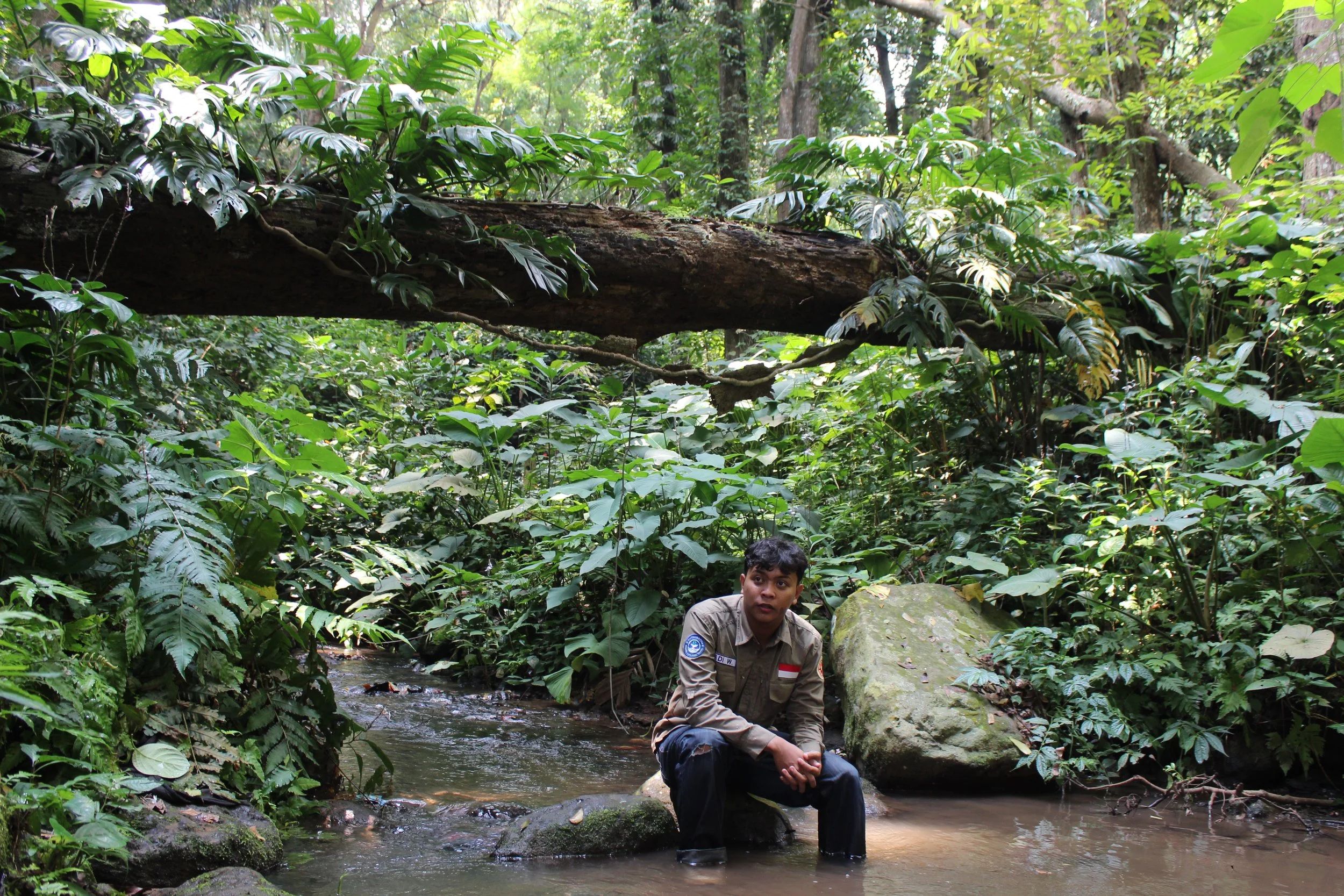
Moh Adi Wiranata, born in Lamongan, Indonesia, is an undergraduate student in Aquatic Resource Management at Sultan Ageng Tirtayasa University. Passionate about freshwater ecology and community-based conservation, he currently leads TirthaWatch, a student organization dedicated to exploring and protecting freshwater ecosystems across Banten Province. Under his leadership, the group has conducted field surveys, educational programs, and habitat restoration projects.
Adi is a recipient of research funding from The Explorers Club, supporting his freshwater exploration and conservation initiatives in Indonesia. He previously served as a teaching assistant for Aquatic Ecology and Limnology and has contributed to outreach programs such as Educamp 2024 and the Cibanten Youth Green Fest.
Inspired by his love for rivers, hiking, and photography, Adi continues to advance conservation science and promote sustainable connections between people and aquatic environments."