
The Lost Generation and the Two Seeds
by Mariam Gibson
The sun beat down on our village, a relentless reminder of the changing climate. Our once lush fields were parched, and the river, our lifeblood, dwindled to a trickle. I, Mariam, a young girl armed with a conservation degree, felt the weight of this reality acutely. My peers, equally passionate and educated, faced similar despair. We were the “lost generation” of conservationists, brimming with knowledge but devoid of opportunities. The green jobs we dreamed of were scarce, eco-entrepreneurship skills were a foreign concept, and training programs were nonexistent. Many, out of sheer necessity, abandoned their conservation dream, turning to corporate jobs or, tragically, even contributing to pollution out of desperation.
All this started as a memory of my previous community, living in an agricultural community from a fishing family. We used to live near Lake Victoria, not far away from the Sanane National Park. I love watching the wildlife behind when passing around. We loved swimming with my peer at the lake every weekend and watching the fishers catch fish.
Fish was one of our best food, but after sometime we started feeling the different when father came home with few fishes of small size we missed the big fish we used to see and asking father he said there is no fish today the harvest is low, life experience become difference hence we had to shift to the city because we cant depend on fishing anymore. That thing remained in my head for a long time, and I wished I could have the solution. I said that when I grow, I want to help the fishers have a good harvest.
My conservation passion and awareness deepened during my secondary school, where we visited Saadani National Park, inspired by the beauty of nature and a beautiful female ranger and guide, and I said this is what I want to do, I want to safeguard and defend wildlife and their habitats, the passion grew and I decided to study a bachelor's degree in wildlife management. The experience was lovely but being the first female to study wildlife in my community was a very difficult journey to tackle I got a lot of discourage until I finish my study and I found out now I have turn to the new very difficult chapter than the previous its were I career opportunity are limited and the all the community eye on me while my colleague from other faculty getting the job they studied for and turning back to my fellow graduate seeing only few got employment opportunity I felt very hard. I sat down at my table, having an inner conversation with myself. I remember one verse saying, “leadership starts by leading yourself.” Then I decided to start where I am and remember why I wanted to be a conservationist.
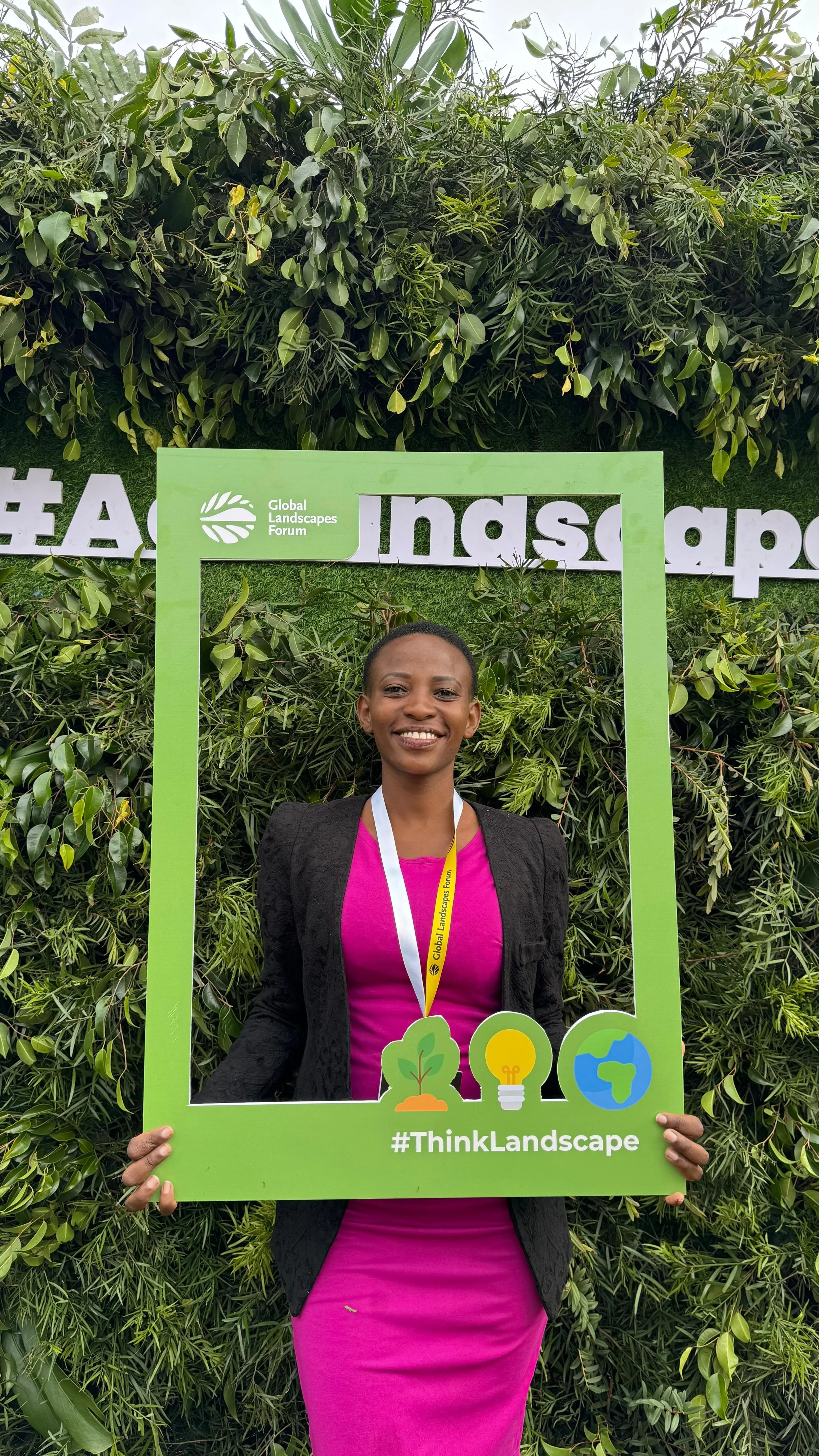
The frustration fueled my resolve. I refused to let our knowledge wither. I began by finding online opportunities, deepening my knowledge through e-learning, volunteering, organizing community clean-ups and advancing sustainable practices, also engaging with conservation organization by volunteering in their projects. I got experience and a network. I found myself more inspired, and for the first time, I started feeling like finding myself. My voice, initially a whisper, grew louder with each small victory. But I knew individual efforts weren’t enough. We needed a collective platform. Inspired by the challenges we faced, I envisioned a space where young conservationists could connect, share their struggles and collaboratively brainstorm solutions. This led to the creation of “Voice for Sustainable Change” an online and local hub designed to bridge the gap between academic knowledge and practical application, offering mentorship, skill-building workshops, sharing opportunities and a network for aspiring eco-entrepreneurs. VOSC became a beacon of hope, transforming our “lost regeneration” into a force for change, proving that even in the face of adversity, passion and collective action can cultivate a greener future. We decided to dedicate just a little time to nature and the use of our conservation knowledge, where each month we conduct one outreach event, such as a beach cleanup, school conservation education, market cleaning with local people, and social media climate advocacy.
We envision a great conservation initiative and registering our conservation organization that will be a people-centred conservation that connects people, wildlife and climate while amplifying the voice of youth and letting youth be the front leaders, this helps youth to get employment in conservation careers and other opportunities while conserving nature.
There were two things that pushed me every time I felt like giving up: a seed of hope and a seed of change
Seed of hope
The rejection letters piled up, each one a fresh sting. My conservation degree felt like a cruel joke, a key to a door that wouldn't open. The "lost generation", I called myself, brimming with knowledge but nowhere to apply it. Despair gnawed at me, but then a flicker of defiance ignited. I remembered the local river, choked with plastic. My first climate action project was born: a community clean-up.
The initial barrier was apathy; convincing people to care was harder than I imagined. But then, a few fellow "lost" conservationists, equally frustrated, joined me. Their passion was infectious. What truly empowered me was the collective spirit, realizing that even without formal employment, the youth's knowledge was invaluable. We weren't waiting for opportunities; we were creating them, one clean-up, one educational workshop at a time. We transformed our disempowerment into a powerful, grassroots movement, proving that our voices, though unheard by some, could still resonate and inspire change.
The Seed of Change
Disempowerment was a constant companion, whispering doubts about my chosen path.
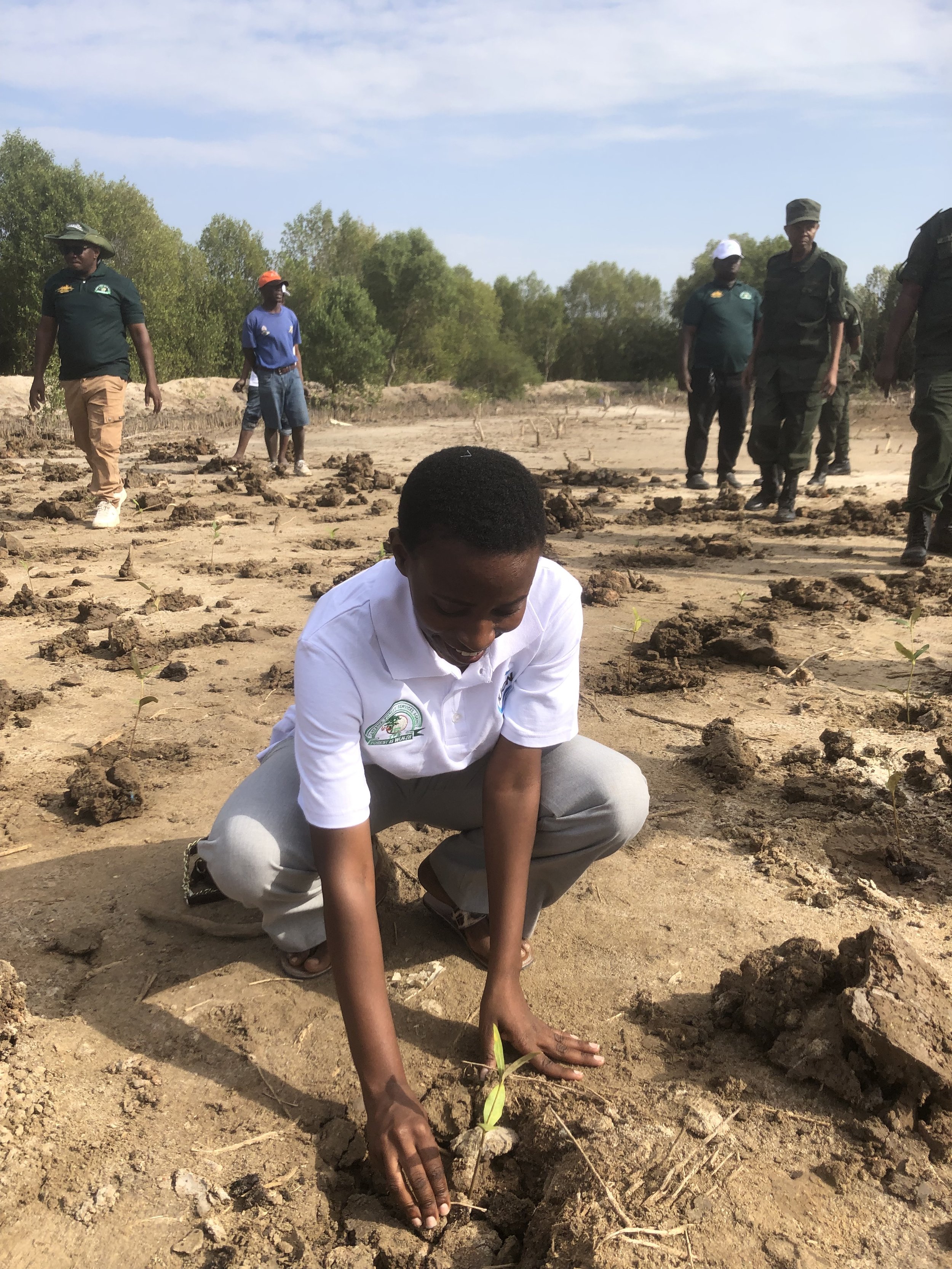
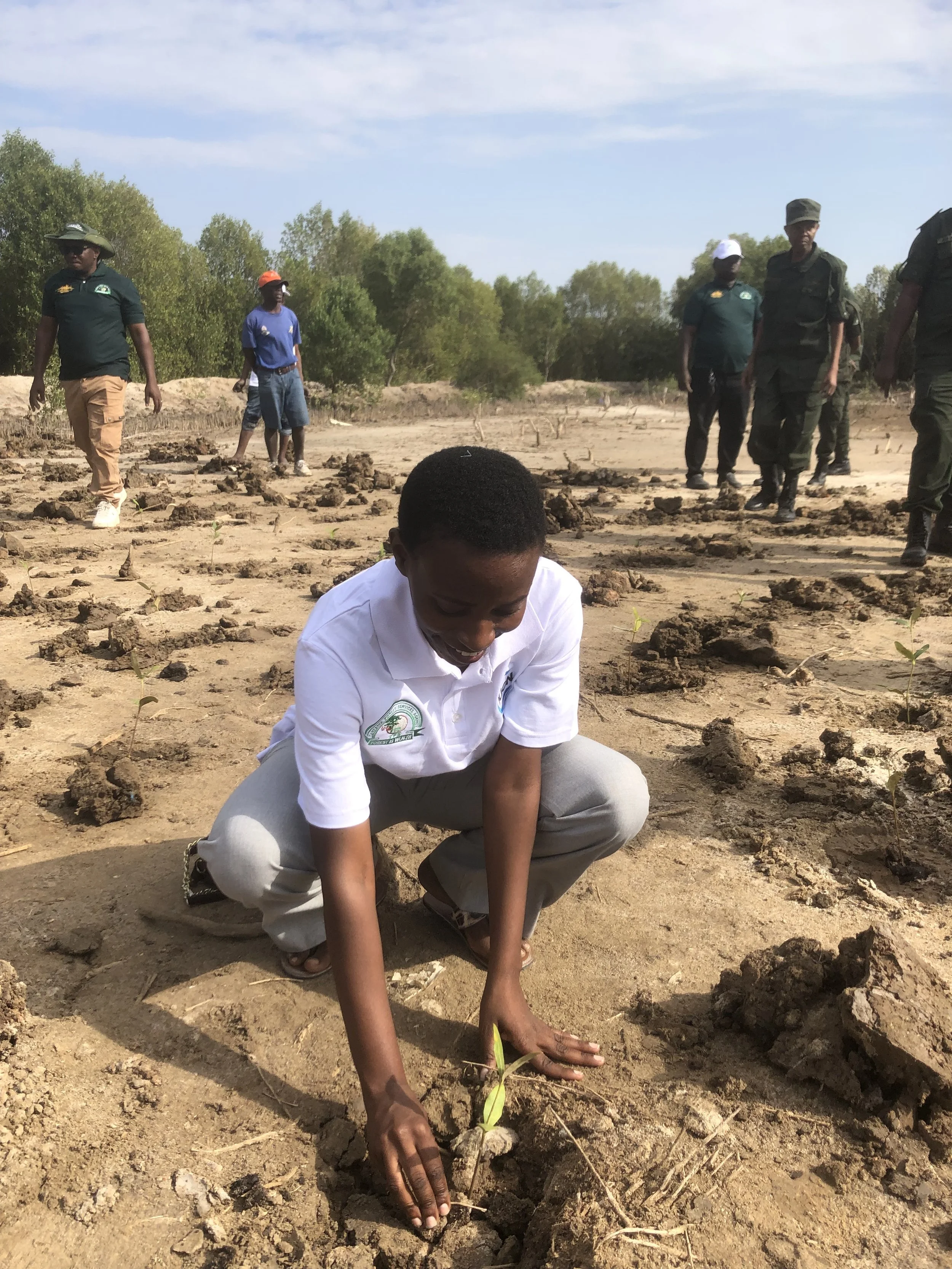
Yet, the thought of salt spray and muddy boots, of tangible action, pulled me in. One day, cleaning the beach, I met others like me – bright, passionate, and equally frustrated. We shared stories of feeling "lost." But as we worked, a different feeling emerged. The camaraderie, the shared purpose, and the immediate impact of our efforts felt incredibly empowering. We weren't just collecting waste, we were creating a buffer against rising sea levels, restoring vital habitat, and building community resilience. This hands-on engagement, directly addressing both climate change and biodiversity loss, was the opportunity I craved. My voice, once unheard in job applications, found its power in the collective effort of restoring our planet.
About
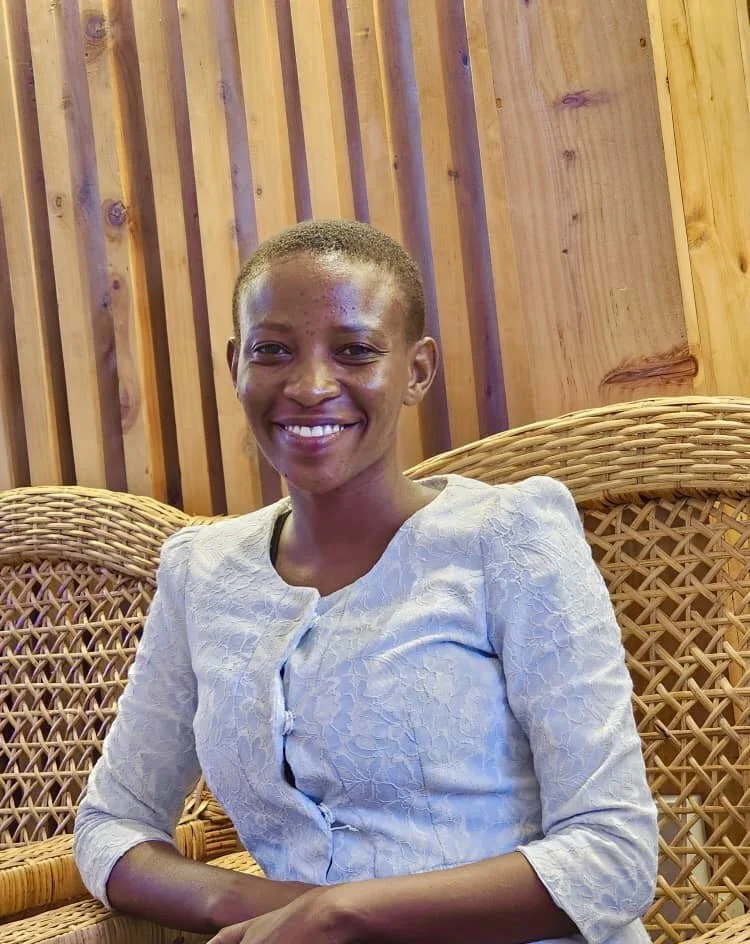
I am a wildlife conservation expert with bachelor's degree in wildlife management from the College of African Wildlife Management, Mweka. I am a climate and environment advocate working with youth and women in sustainable environmental impact. I am running an online network (Conservation Roots) of youth conservationists for sharing opportunities and conservation talks. I love the ocean and volunteering in community climate action activities; I am a volunteer at Sustainable Ocean Alliance Tanzania and Women Impact Sustainable Environment Foundation. I love doing conservation research, one of my abstract was accepted at 13 Scientific WIOMSA Symposium. Lastly, I am a GLF social media ambassador 2025 and a Green Fellow/Officially Green Tanzania Country Coordinator.