
La vidéo présente le témoignage d’une femme cultivatrice locale qui partage, avec ses propres mots, son expérience face aux défis du conflit et sa résilience à travers l’agriculture. / In the video, Nyiramugisha Viviane, a peanut farmer from Rutshuru in North Kivu, shares her daily reality. She speaks about the fear of going to the fields amid insecurity, the sound of gunfire, and the risks of violence. Despite everything, she continues to cultivate the land because it allows her to feed her family and keep hope alive. Through her story, she shows how courage and resilience can grow even in times of conflict.
The Women of Perimabiri
In the remote communities of Peremabiri (Perimabiri) and Agubiri in Bayelsa State, women farmers bear the burden of oil spills and social inequality. Beyond the environmental damage lies a cycle of vulnerability gender based violence, early pregnancies, and poverty. Through private dialogues, therapy, and community support, these women are finding healing, resilience, and renewed hope. This story highlights how climate change deepens inequality and why women’s voices must be heard.
Where Voices Grow From the Soil
In communities where survival means cutting down trees, we chose to offer alternatives instead. From transforming agricultural waste into cooking briquettes to turning plastics into interlocks and creating natural probiotics for healthy soils, our work empowers families to live sustainably. This story isn’t just about climate it’s about people, resilience, and the power of local innovation shaping a greener, fairer future for all.
From Village to Virtual: Empowering Rural Girls for Climate Resilience
In Namutumba, Eastern Uganda, rural girls face the double burden of climate change and limited education. Through Connect Care Uganda, we empower girls with digital literacy, solar-powered learning hubs, reusable sanitary pads, and climate-smart skills. Our story shows how small community-driven actions can spark resilience, restore dignity, and bridge the gap between climate justice and education. From village to virtual, we are creating hope in the margins.
SIMULIZI YA JOSEPHAT
Simulizi ya Josephat is a story which talked about a young man who is disabled and can’t hear or see anything. The particular of the story is to remind the policymakers to consider the endorsement of people with disabilities to have an access of information concerning climate change when the disaster occur
Feeding the Earth

The Sustainable Development Goal 2 - Zero Hunger - was set in 2015 to tackle rising undernourishment. The COVID-19 pandemic exacerbated this challenge. Climate Change threatens food production and quality. WHYFARM, an NGO that uses creative methods to engage young people in agriculture, was founded in 2015 in Siparia, Trinidad and Tobago. It teaches traditional farming techniques that protect the environment and human health, and technologies that optimize production to establish careers in the field and promote food security.
Why Are You Like That?
What would do you feel like if someone asked why you acted like you? This story delves into a facet of that question and shows how that question can let someone down and how they pick themselves up. It describes the intense and raw feelings of a lost girl. It also shows how one person's lessons and efforts can pick another person up.
Caste and Climate Change

Caste-based discrimination affects more than 260 million Dalits worldwide who suffer from the hidden apartheid of segregation, exclusion and discrimination. Dalit women and girls are the most discriminated, systematically excluded and historically oppressed group in the sub-continent. Dalit women lag behind in most of the areas of human development indicators. Unequal access to resources and opportunities makes Dalit Women more socially vulnerable and frequently exposes them to the chance of being a victim to caste, class and gender-based violence. A woman’s caste in South Asia can increase her exposure to mortality as a result of factors such as poor sanitation and inadequate water supply and health care, says a report by the UN Women. It states that the average age of death for Dalit women is 14.6 years younger than for higher caste women. This story depicts how the historic, institutionalized and systemic oppression of Dalit women from India, Bangladesh, Pakistan and Nepal will make them one of the most vulnerable, susceptible and high-risk targets in the changing climate.
We Can Heal Nature
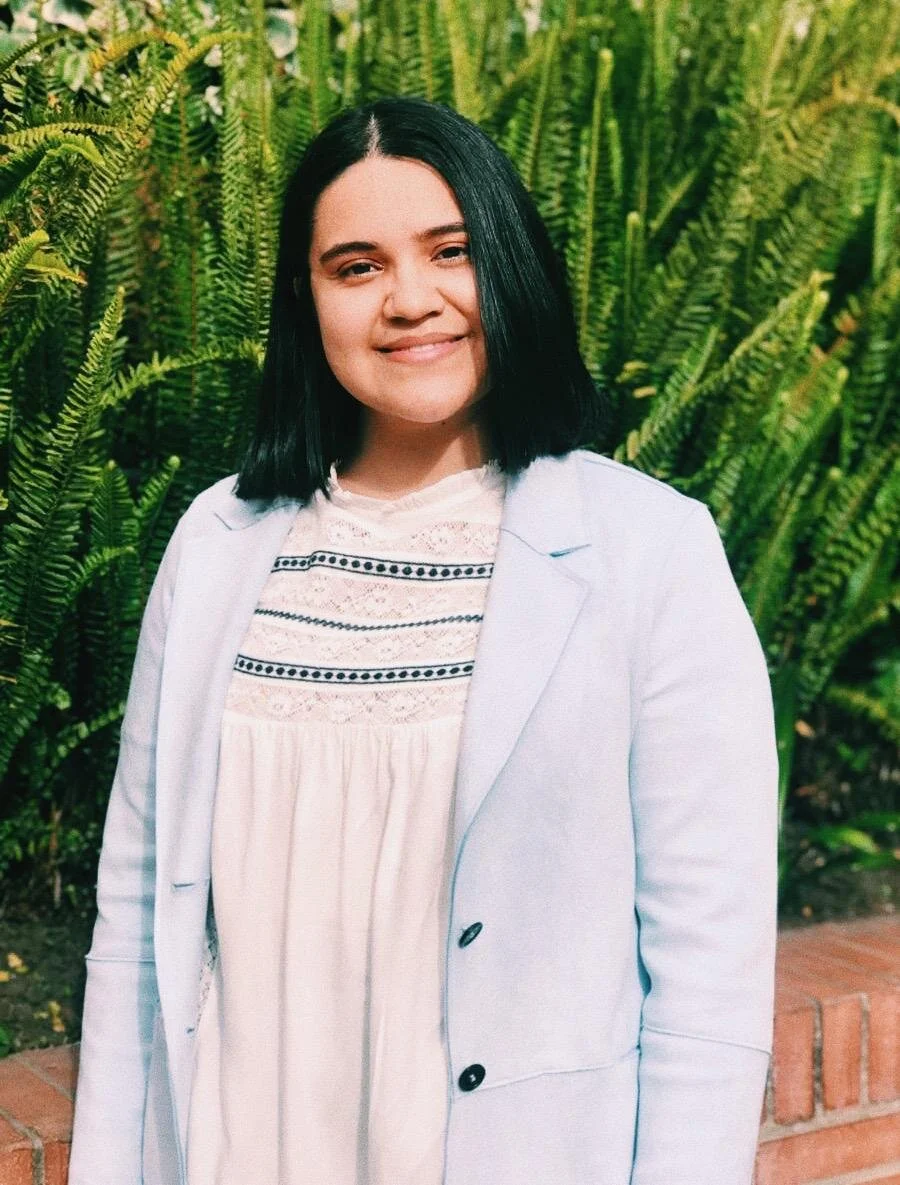
Through recognition of feminine qualities and values, we can start to create a different world, and by re-learning and re-thinking the meaning of peace and cooperation in relationships, with your girlfriend, mother, sister, neighbour; to start increasing woman potential and therefore human potential. Let us stop judging one another and start focusing on the need of nature, the planet and the call of the time.