
The Resilient Seed: Biotech and Traditional Knowledge in Nigeria's Climate-Conflict Zone
by anonymous
I. The Setting: A Crisis and a Connection
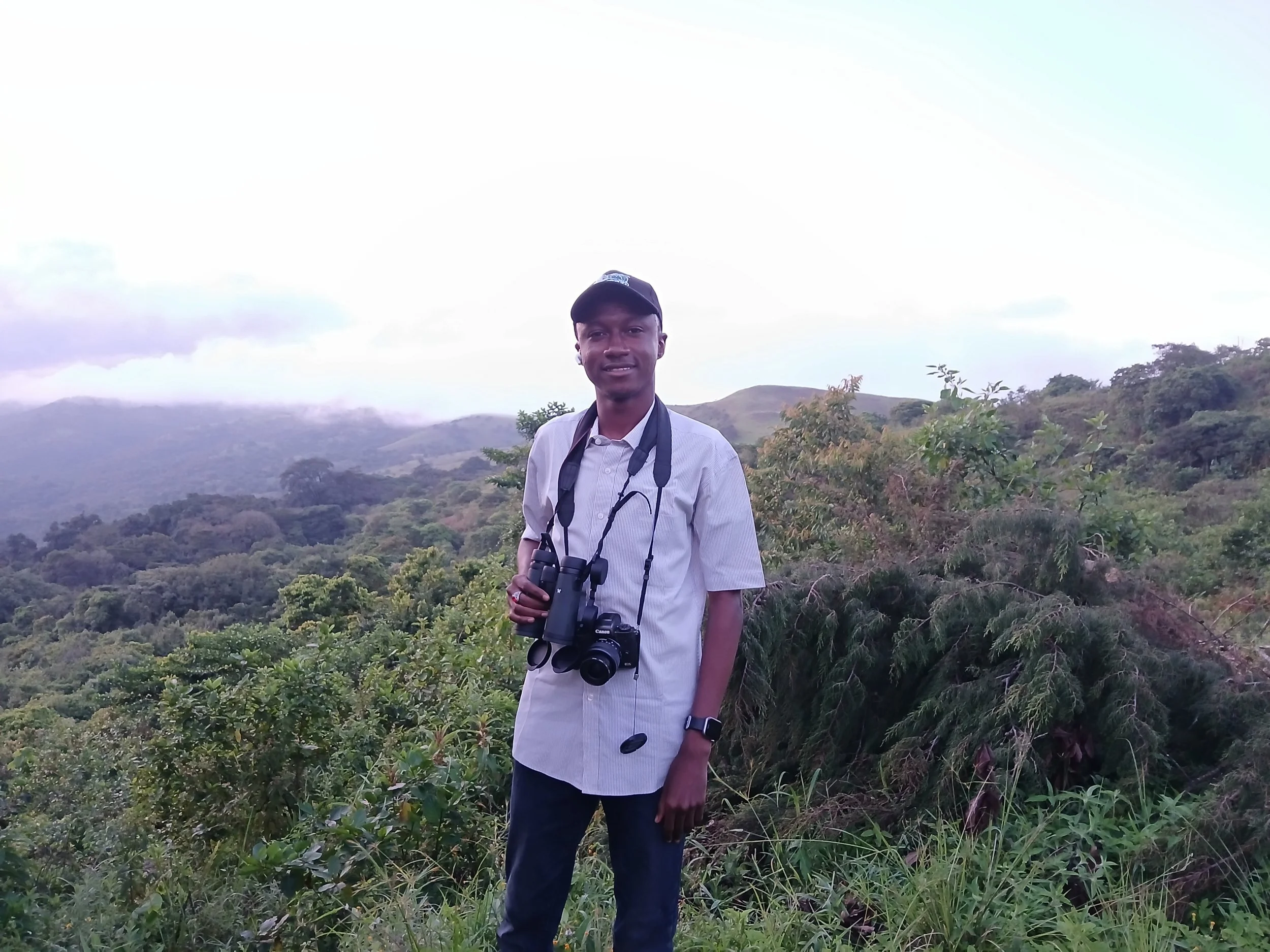
In Gombe State, North-Eastern Nigeria, the climate crisis is a harsh reality. I have felt this crisis as a local botanist and activist through the unpredictable rains and the relentless advance of desertification and conflict. For generations, our communities have relied on sorghum as a staple grain. However, the climate's instability—long, hot dry seasons followed by unpredictable, damaging downpours—has turned farming into a survival gamble. This stress, worsened by regional instability and scarce resources over years of insurgency, threatens food security and the social fabric of our community. I realized that to truly support effective climate action, I needed to ground a solution in the soil where the crisis is most severe. This led me to consider how a small grain could become central to a resilient, youth-led, nature-based future.
II. Barriers and the Opportunity for Frugal Innovation
Moving from belief to action posed many challenges that highlighted the nature of grassroots environmental work. The main obstacle was social and political mistrust. In a region affected by insurgency and marginalization, any ‘new’ initiative, even one that promised resilience, faced skepticism. Farmers were justifiably worried about losing their traditional seed lines, and local leaders were cautious of outside efforts that had been exploitative or unsustainable in the past. My challenge was not only technical; it involved building social trust and showing that our localized approach respected human rights and traditional farming practices.
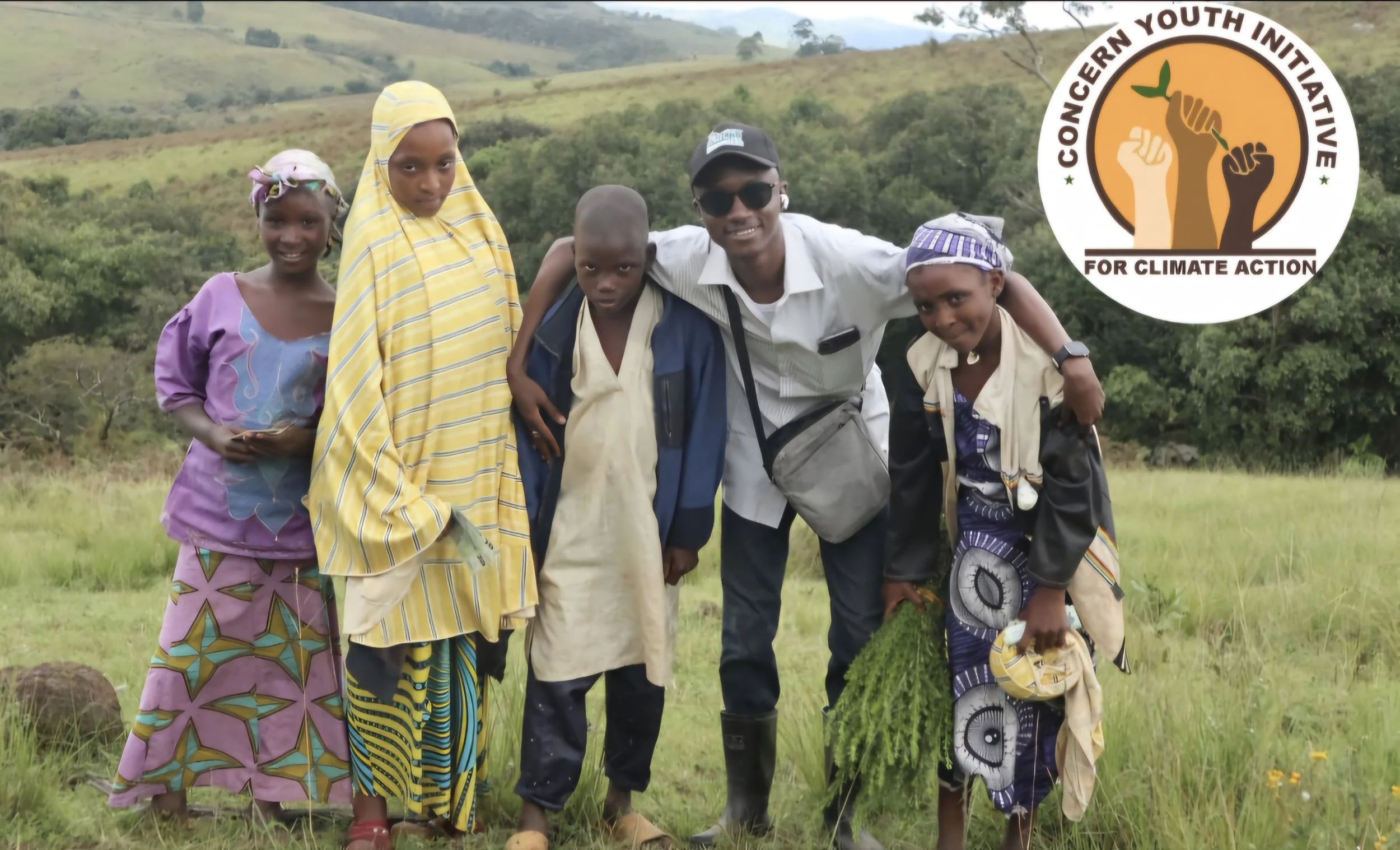
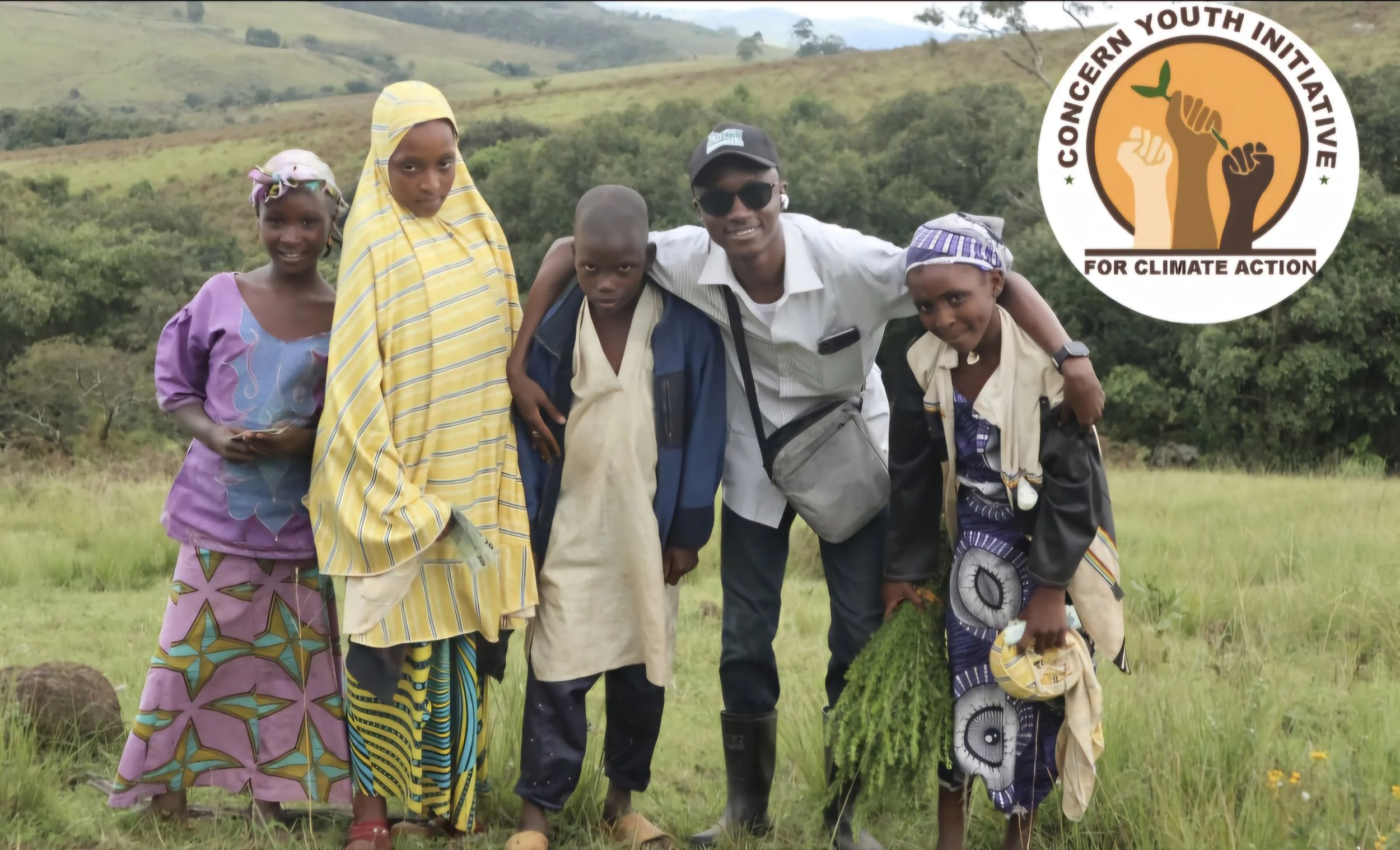
We also faced significant economic and technical resource gaps. We aimed to apply advanced botanical knowledge but worked with limited funding and low-tech tools. However, this scarcity sparked creative solutions. We turned our need for low-cost operations into a strength, promoting a bottom-up, frugal innovation model that could be copied by other marginalized communities in dry areas. This focus on local livelihoods and replicability gave our project true, decentralized power. Ultimately, our empowerment stemmed from two sources: the steadfast support of local youth, mobilized through the Concerned Youth Initiative for Climate Action, who played a crucial role as community educators, and the realization that the traditional sorghum variety already had hidden resilience traits. When we improved these through localized biotech screening, they became highly effective. This showed we were co-creating—working with nature rather than imposing on it.
III. The Climax: Action and Validation
With community trust established and the youth empowered, our project moved from theory to practice. We integrated local knowledge with scientific methods. The heart of our solution wasn’t a high-tech lab but a community seed bank. Together with local farmers, we used simple biotech screening techniques to select and grow the most resilient sorghum varieties. My botanical expertise guided this locally controlled effort, ensuring the process remained culturally appropriate. We focused on varieties that used water efficiently and retained essential nutrients, providing a true nature-based solution for the semi-arid environment.
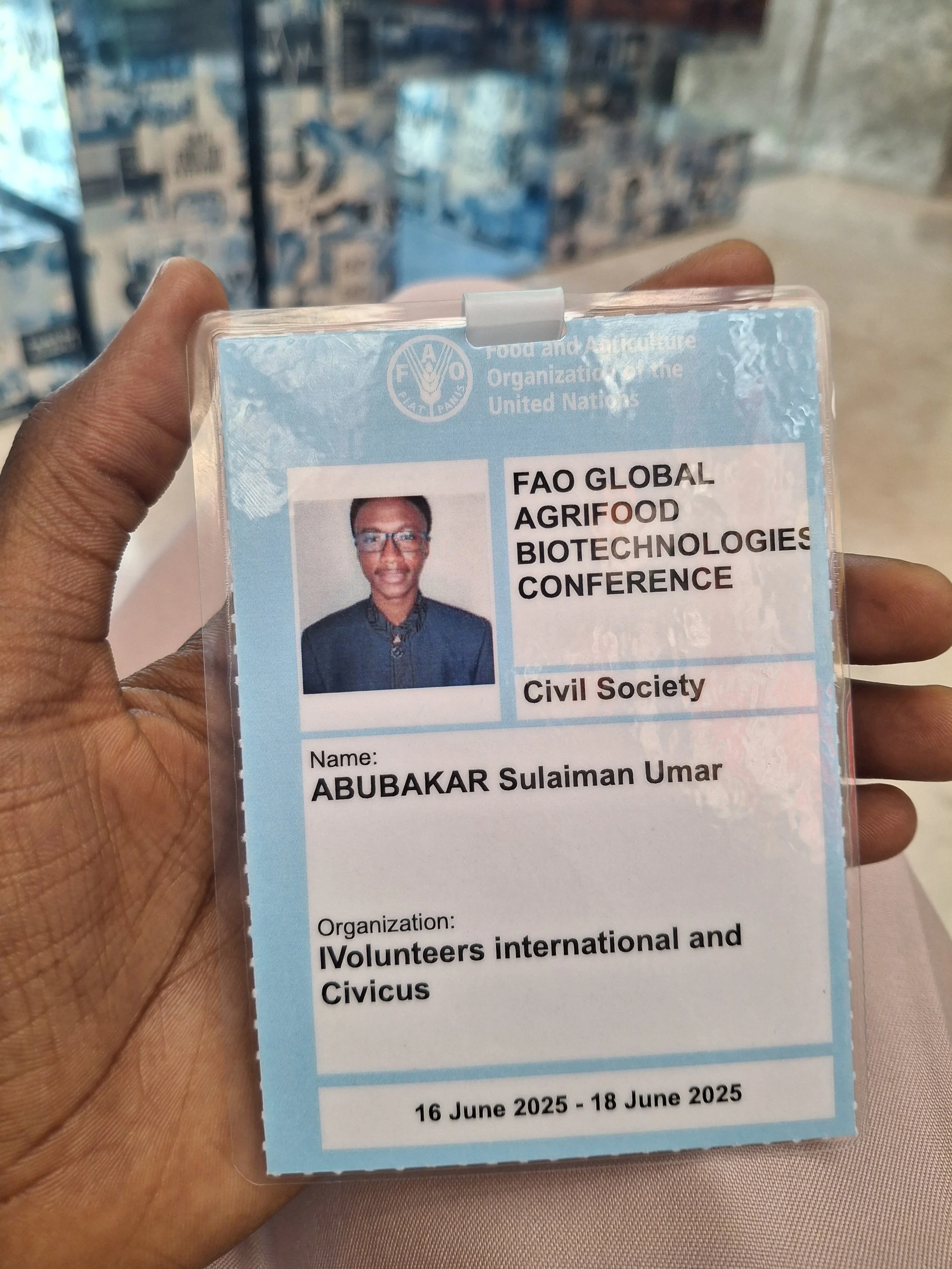
The measurable impact was immediate and compelling. While neighboring plots with unselected seeds struggled due to erratic rainfall, our pilot fields thrived. This visible success served as powerful motivation: it showed that the youth were not just activists, but builders of solutions. This action improved food security and fostered community ownership, transforming the local narrative from victimhood to self-determination. The highlight of this local effort was my presentation at the FAO Global Agrifood Biotechnologies Conference in Rome. Presenting my work on "Building Climate-Resilient Sorghum" on that international stage was not just a personal achievement. It was a chance to tell the story of Gombe, the resilient seed, and the impact of localized, youth-driven action. Winning the competition and receiving follow-up funding from organizations such as FAO and Gates Ag One validated that meaningful change starts from the ground up.
IV. Resolution: From the Margins to the Mainstream

My work in Gombe, recognized at the international level, demonstrates the power of youth in marginalized regions when they are trusted and resourceful. It shows that we can transition from the margins to the center of environmental action. The resilient sorghum has become more than just a crop; it symbolizes how regenerative agriculture, paired with strong community involvement and scientific rigor, can address complex issues of climate, conflict, and injustice.
This is the message I carry into my global roles, from my position as a UN Youth Representative to my interactions with young agriculturalists in my village: Nature is not the problem; it is the lasting solution, and young people are its most vital, essential creators.