
The fading steppes and wings that return!
by Zulfu Farajli
Imagine you are a bird flying from the wide steppes of Kazakhstan to the remote corners of Azerbaijan to winter. You travel thousands of kilometres across frozen rivers, dry plains, farmed fields, and the mild coast of the Caspian Sea. You are a Little Bustard, a survivor of ancient Eurasian grasslands. For centuries, your species followed this same path. But now everything is shifting. Farmlands expand. Traditional pastures disappear. Illegal hunting continues in some areas. The world you knew becomes smaller each year.
I did not grow up knowing their story. As a child, I simply felt comfortable in nature. Behind our house were open fields where I would lie on the ground, watching birds until sunset. I did not know their names, but I felt they were telling me something about patience, about belonging, about paying attention to the world. When I grew older, started university, became a birder, later wrote children’s books, and became active on social media, that early feeling stayed with me. Nature was never just a hobby for me, it shaped who I am. And when climate change and land degradation became visible even in our small towns, I realised that admiration was no longer enough. I had to act.
That is how my path crossed with the Little Bustard.
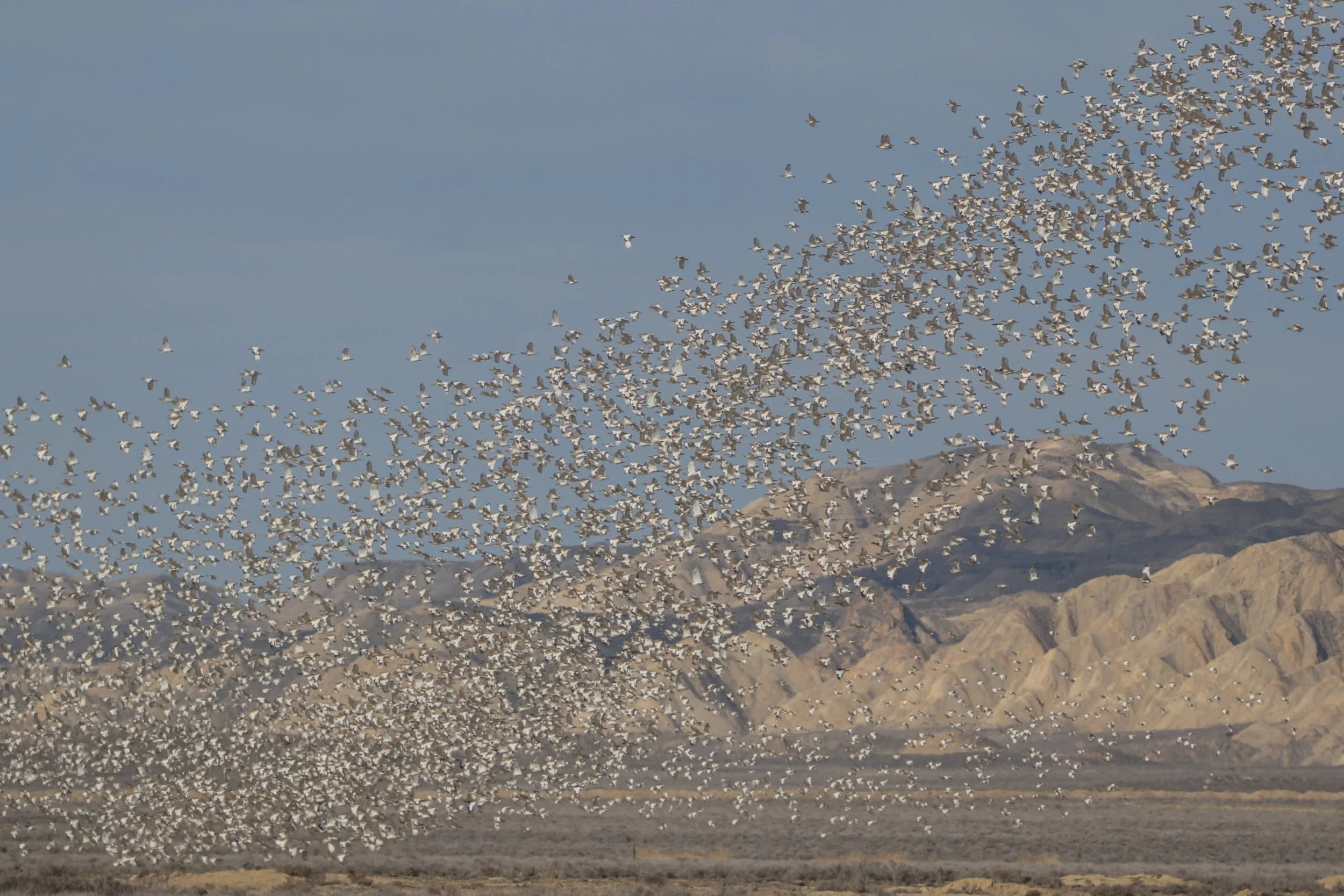
A few years ago, I discovered that Azerbaijan hosts one of the most important winter populations of the Little Bustard (Tetrax tetrax), possibly more than half of the global population. Across Europe and Central Asia, this species has sharply declined due to habitat conversion, intensive agriculture, and hunting pressure. Yet here, on our winter plains, these birds still arrive every year. The first time I saw a flock rising above the steppe with their white wings flashing, and the whistling sound of the males cutting the cold air, something changed in me. I wanted to understand their world. How many were left? Where exactly did they winter? What brings them here?
I searched for recent data, but information was scarce. The species felt almost invisible, even though it had been part of regional ecosystems for centuries. So I made a decision: if the data was missing, then I would help gather it. Maybe I could combine bird research with storytelling, education, and community building. And that is how my Little Bustard work truly began.
During the winters of every year since 2022, I lead other birdwatchers and researchers to survey the species across Azerbaijan. We travelled through open plains, agricultural fields, semi-deserts, and remote grasslands in search of this chicken-sized bird that somehow manages to disappear into the landscape like a shadow. Finding them proved to be harder than I imagined. These are landscapes where climate, soil, and water shape both the livelihoods of people and the survival of birds.
Our days started before sunrise. We stood in open fields, freezing, waiting for the first movement of wings. Some mornings we saw small groups, maybe 20 or 30 birds. Other days, enormous flocks rose from the ground in waves, sometimes more than ten thousand at a time. The feeling was always magical, seeing their flashing white wings, but also bittersweet, because we knew how fragile their future was.
We counted birds, recorded flock sizes, mapped habitat conditions, noted threats, and spoke with local communities. This data later became part of my research paper. But beyond science, it was the human stories that taught me the most.
In each village, I listened to farmers, shepherds, and hunters. They told me how drought had weakened their pastures, how irrigation canals dried earlier every year, and how unpredictable weather damaged their crops. Older men remembered a time when Little Bustards were so common that the fields looked “alive” with movement. Some even spoke about the “larger bustards” they once saw, the Great Bustard (Otis tarda), now extinct in Azerbaijan, and a species I later wrote a research paper about. Some villagers complained about the birds, others said they did not matter at all. But together, their memories revealed a simple truth: biodiversity loss and climate change are not distant or theoretical. They are shaping daily life, right in front of us.
Some young and interested people shared their worries about the future, wondering if traditional livelihoods could survive changing climate conditions. For many, it was the first time they heard about the biodiversity crisis when we presented our work in remote schools and community centres. These conversations made it even clearer to me that protecting a bird also means protecting culture, identity, and land knowledge. Conservation is not only about species, it is about people.
Working on Little Bustards showed me how tightly climate, biodiversity, and communities are connected. Protecting one bird requires understanding a whole ecosystem: soil, water, vegetation, farming practices, grazing pressure, migration routes, and social conditions. This is what global frameworks call the “climate–nature nexus”, but in Azerbaijan’s steppes it becomes visible in simple, direct ways. I was learning along the way as well. Understanding this, I shaped my work in two directions: science and storytelling, two sides of the same “conservation coin”.
I now participate regularly in migration counts at the Beshbarmag flyway, one of Eurasia’s most important bird migration bottlenecks where over two million birds pass each season. Here, birders like me count species and individuals to build long-term data showing population changes and guiding conservation priorities. In winter, I continue Little Bustard surveys with volunteers and young birdwatchers. Together, we build skills in bird identification, data collection, communication, and field safety. This capacity building is essential. For long-term monitoring to survive, local youth must feel ownership and be empowered to lead it.
Every winter, when the first Little Bustards arrive from Kazakhstan, I feel a mix of hope and fear. Hope because they made it again. Fear because each year their journey becomes riskier. And there is one moment I will never forget. One cold morning in Jeyranchol steppe, I watched a large flock rise slowly through the mist. Their wings moved gently, almost silently. For a second, everything felt timeless: birds, steppe, sky all blending into a single calm moment. But then we saw a group of foreign falconers driving their SUVs across the steppe, releasing their raptors toward the very same flock we had been counting. I felt anger rise in me. We confronted them, and they eventually left the area. But as I watched the flock scatter, I realised how fragile the situation truly was. Without strong conservation, even the views of mass flocks that I was lucky to witness could disappear much sooner than we expect.
Still, I believe in solutions. Azerbaijan has traditional ecological knowledge, communities who care for their land, and youth who want to act. We have grasslands that can be restored, water systems that can be improved, and migratory corridors that can be protected. These actions help not only birds but also people, farmers, herders, and young generations who seek stability in a changing climate.
My aim is simple: to make sure the Little Bustard continues to return to Azerbaijan, and that our youth lead the protection of these landscapes. Because these birds are not only part of biodiversity, they are part of our region’s story. And my own story is now deeply connected to theirs. Nature shaped me, taught me patience, and gave me purpose. In return, I try to protect it through research, education, and community engagement.
And maybe, years from now, a child who reads my books or follows one of my nature posts will stand in the same fields where I work today. They will see a flock of Little Bustards rising into the sunrise. And they will feel the same sense of wonder. And responsibility. And hope. Because a future where these birds still fly across our skies will mean that we have learned to fly with nature,
not against it.
About
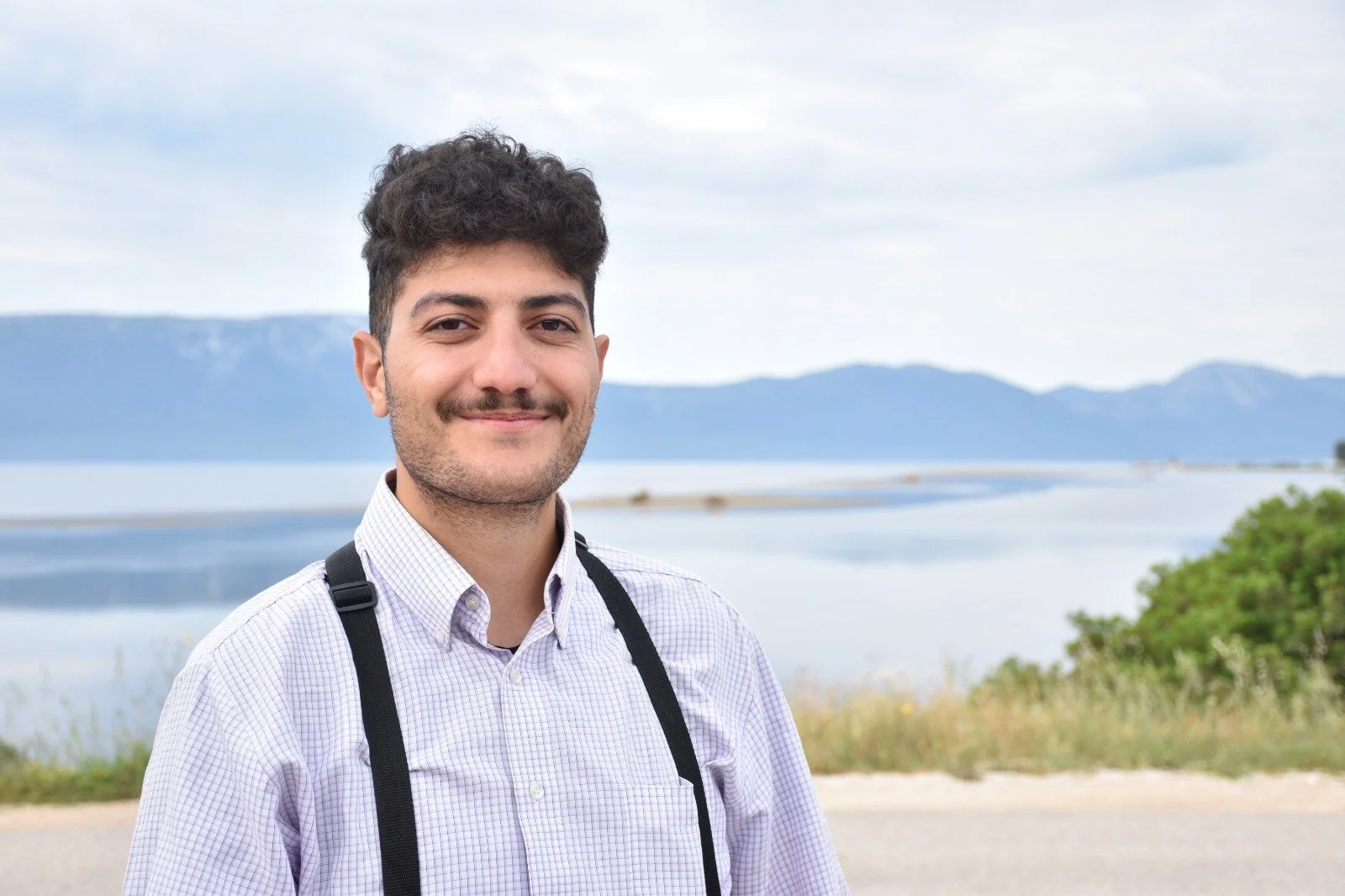
I am an ornithologist, writer and conservation communicator from Azerbaijan, working to protect the birds that migrate across our region’s skies. Over the years, I have conducted migration counts along key flyways such as Beshbarmag, documented wintering populations of threatened species like the Little Bustard, and collaborated with farmers and local communities to understand how land-use changes affect wildlife.
Beyond fieldwork, I write nature-themed children’s books to spark curiosity in younger generations and help them see local biodiversity with new eyes. I am also active on social media, where I share research insights, conservation stories and practical tips that bring science closer to everyday audiences.
My work blends data, narrative and education, because protecting species is not only about numbers, but about building a culture that values the wild lives around us.