
Belonging as Climate Action
by Aish Mann
When I migrated from Malaysia to Canada, I expected culture shock, cold weather, maybe loneliness but not the feeling of drifting above my own life. Migration did not just move me; it unrooted me. I felt suspended between monsoon-wet soil back home and unfamiliar concrete in a new country, carrying climate grief that had nowhere to land. I mourned forests lost to palm oil expansion, floods swallowing villages, the smell of rain on red earth yet in Canada, I felt like I had no right to mourn anything at all.
That shifted the first time I heard a land acknowledgement. What sounded simple to others, the naming of Nations, the reminder of sovereignty felt seismic to me. Suddenly, the floor beneath me wasn’t just a classroom; it was unceded territory carrying histories of displacement that echoed my own. I had left one colonised homeland only to arrive on another. In that moment, climate and migration snapped together as one system in my mind.
Rootlessness Meets a System That Doesn’t Expect You to Belong
In the months that followed, I learned what every newcomer learns: belonging is conditional. You must pass tests, fill forms, perform gratitude, and take whatever work you can find even if you carry climate expertise desperately needed here. I watched friends with engineering degrees and years of environmental leadership pushed into minimum-wage jobs because the system could not imagine them as knowledge holders.
We were welcome to volunteer, but not to lead. Welcome to labour, but not to belong.
The climate sector treated us as temporary bodies. The immigration system treated us as economic units. Between these two silos, our stories, skills, and grief were lost. I mistook this erasure for personal inadequacy until I realised the truth: the rootlessness was not the problem, the design was.
Seeing the Shared Roots of Displacement
Learning about Indigenous sovereignty sharpened the picture. Extractive colonial systems had pushed many of us from our homelands, and those same systems were still extracting here. Migration did not remove me from the harms of colonisation; it relocated me into a different expression of it.
I began asking two questions that felt both dangerous and necessary:
What does it mean to be an immigrant on stolen land?
And if colonisation had never happened, what standards would First Nations set for newcomers?
These questions reframed my story. Newcomers are often positioned as beneficiaries of systems that harm Indigenous Peoples, when in truth, many of us are also casualties of those same systems. Solidarity was not aspirational, it was the clearest path forward.
Tanah Air: Rooting Newcomers as Climate Actors
Tanah Air emerged from that understanding, from grief meeting clarity, from rootlessness meeting responsibility. Instead of orienting newcomers through bureaucracy, it reimagines arrival through land, relationship, and Indigenous teachings.
The idea is simple but radical:
Belonging itself is climate action.
At the first Newcomer Climate Camp in November 2025, I witnessed what happens when immigrants are invited into relationship rather than silence. Participants arrived with exhaustion, disorientation, and stories no climate space had ever asked to hold. Many had never been invited to speak as immigrants in environmental spaces. Some felt invisible. One told me they had been considering ending their life because everything in Canada felt heavy, isolating, and cold.
But land-based learning, Indigenous-led sessions, and shared migration stories cracked something open. People who entered as strangers became kin in 48 hours.
By the end, one said they hadn’t known they were allowed to belong in the climate movement until now.
Another said I had saved their life.
I don’t believe I saved them.
I believe belonging saved them; not as comfort, but as responsibility, agency, clarity, and connection.
A Moment of Belonging
Belonging found me earlier that year, in conversation with Sunshine, an Indigenous colleague. We spoke about the grief our communities carry, mine shaped by leaving home, hers by ongoing dispossession. In that shared honesty, something unlocked.
For the first time in Canada, I felt myself arrive without shrinking.
Not as a settler.
Not as an outsider.
But as someone learning to walk in relationship with land and people.
In that moment, I understood that home could be built without causing harm.
If We Get This Right
If taken seriously, arrival will no longer be a neutral administrative process but a pathway of responsibility guided by Indigenous knowledge. Newcomers will land not into confusion, but into clarity about the lands they live on and the histories they inherit. Climate organisations will recognise migrants not as volunteers filling gaps, but as essential actors carrying frontline knowledge.
We will stop treating belonging as sentiment and start treating it as infrastructure.
If we get this right, newcomers will not disappear from climate spaces because they cannot afford to stay. They will root, and in rooting, help heal what colonisation severed: our collective relationship to land, to each other, and to possibility.
This is the world Tanah Air is working toward: one where belonging is a climate solution, and where no one arrives alone.
About
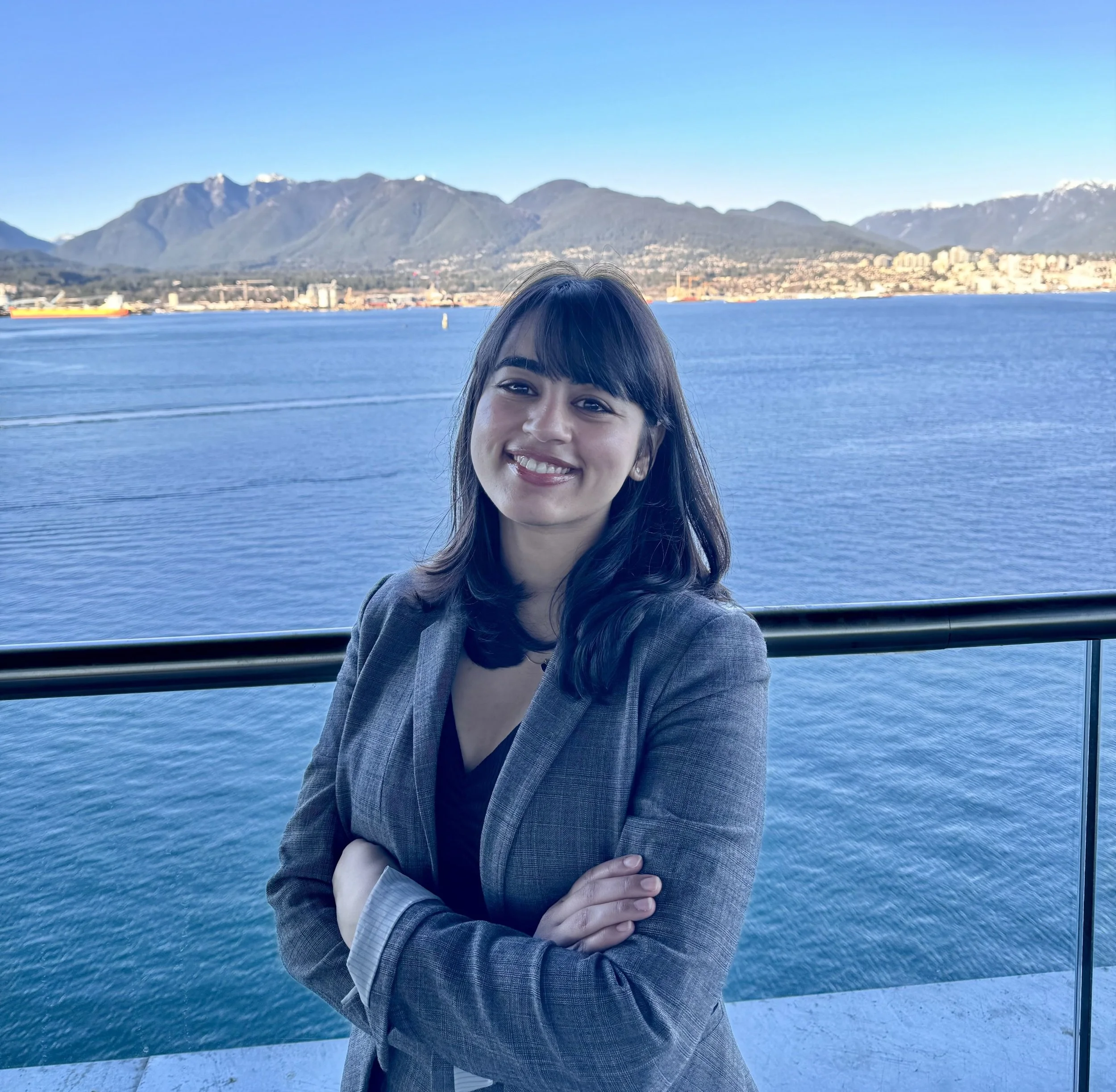
Aish Mann is an award-winning Malaysian immigrant and climate practitioner based in Canada. She is the founder of the Tanah Air Project, a newcomer-led initiative reframing belonging as climate action by connecting immigrants with Indigenous teachings, land-based learning, and decolonial approaches to community care.
Aish’s work sits at the intersection of climate justice, migration, and systems change. She led the inaugural Newcomer Climate Camp, which brought together newcomer youth from diverse backgrounds to explore how displacement, land, and climate are intertwined.
Through facilitation, storytelling, and policy imagination, Aish advocates for climate spaces where newcomers are recognized not as volunteers, but as knowledge holders and leaders shaping just and regenerative futures.