
My Story Began with a Breath
by Leena Joshi
Breath was my first lesson in fragility. I grew up in New Delhi, where the air was never clean enough to take for granted. Each inhale carried a faint taste of metal and smoke, as if the city itself exhaled fatigue. Breathing was not passive; it was an act of quiet resistance.
During a childhood trip to Switzerland, I encountered a sky that felt almost fictional in its clarity. The air was light, unburdened, and I remember thinking: this is what breathing is meant to feel like. That moment, simple yet profound, shaped the course of my life. Why, I wondered, should the right to clean air depend on geography?
That question became my calling.
As I grew older, I began to see that the air and the ocean were bound by a single story. Walking along an Indian shoreline one evening, I noticed plastic bottles clinging to the sand like artifacts of neglect. The same air that suffocated our lungs was suffocating the sea. Each discarded bottle was a fossilized act of indifference, each wave a mirror of consequence. The breath and the tide were not separate systems; they were one continuum of life and loss.
From this recognition emerged my life’s work: to make people feel climate change before they see it, to translate science into emotion, and to bridge intellect with imagination.
Like many young people, I began with questions. Why were we treating survival as a privilege? Why did the most vulnerable communities carry the greatest environmental burdens while contributing the least to the crisis? Those questions evolved into movements. Through conversations, classrooms, and digital spaces, I built communities of courage that refused to stay silent.
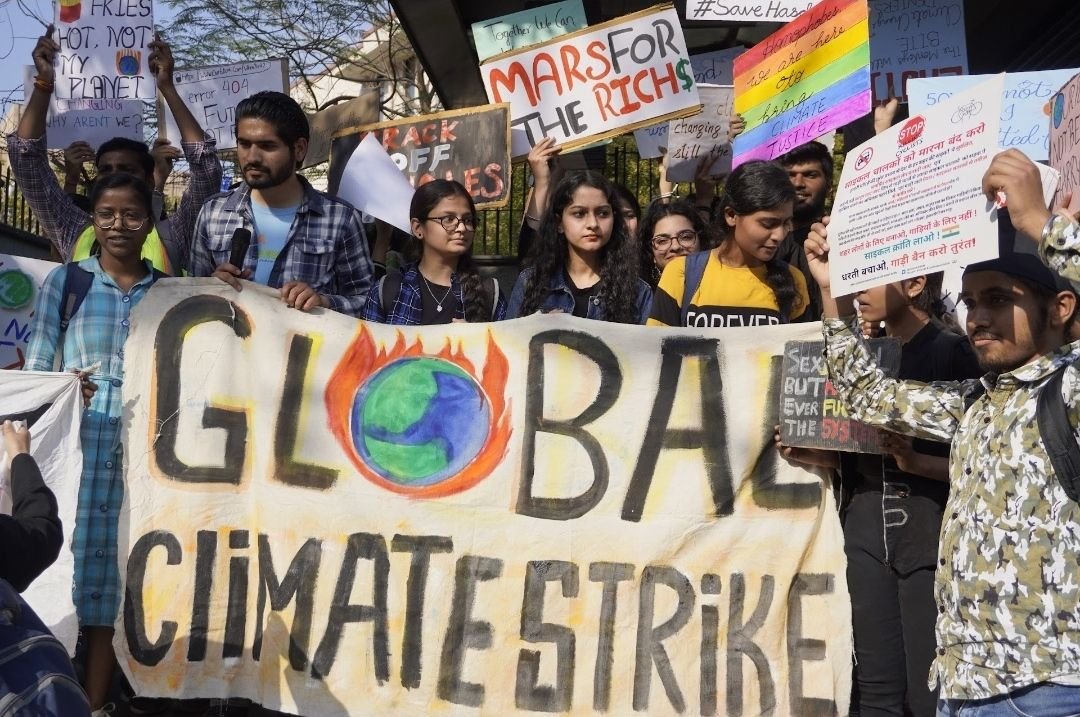
Out of that collective urgency, I founded Climate Conservancy, an international youth-led nonprofit organization that now connects more than 9,000 volunteers across 70 countries. Our work is guided by one conviction: climate justice is inseparable from dignity, health, and equity. Clean air and a stable climate are the foundations of human rights.
Yet I soon realized that data alone does not drive transformation. People change because of stories. Facts inform the mind, and art moves the soul.
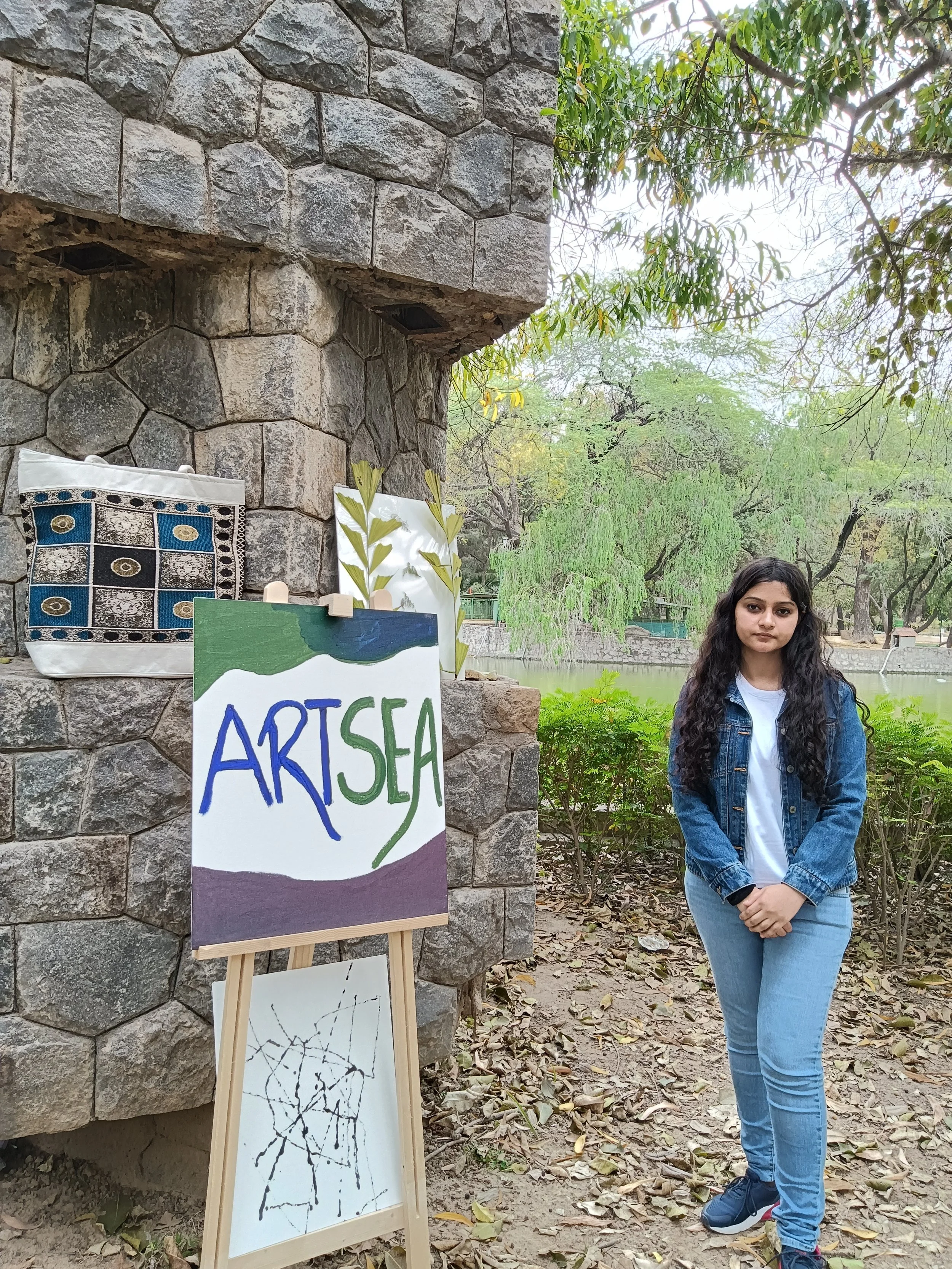
This realization led me to create ArtSea: Art for Ocean Conservation, a global climate-art initiative, a program of Climate Conservancy that transforms creative expression into environmental literacy. Through art, murals, poetry, photography, performances, and community workshops, ArtSea reimagines art as an instrument of solution. Each painting becomes a policy conversation, each performance a protest, each poem an act of renewal.
I have come to believe that the climate movement requires both scientists and storytellers: the former to measure and the latter to humanize. In an era of fragmented attention, art remains the most unifying form of communication. A single photograph of a dying coral reef can evoke emotions: the ache of loss, the urgency of protection, and the beauty worth preserving.
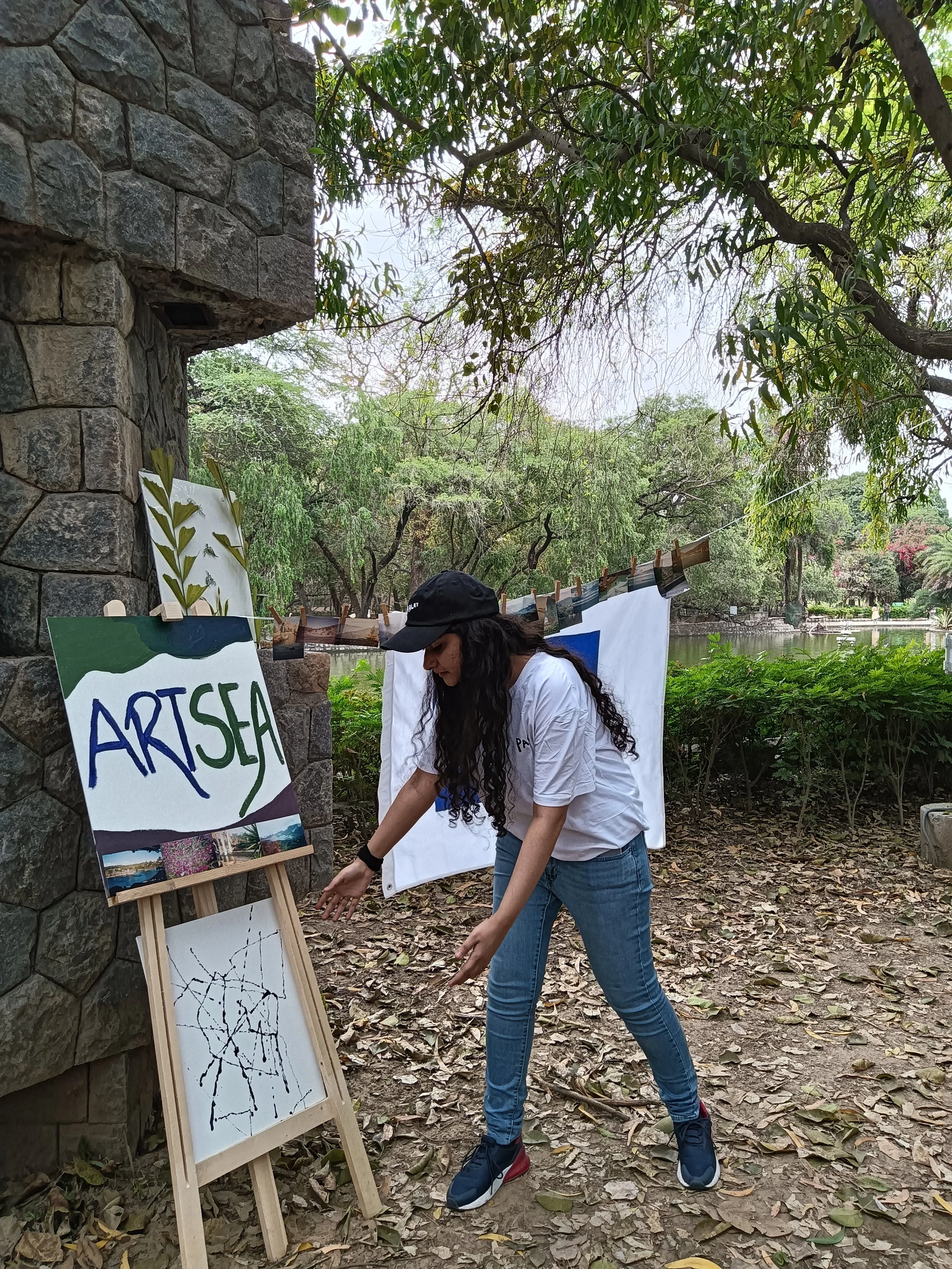
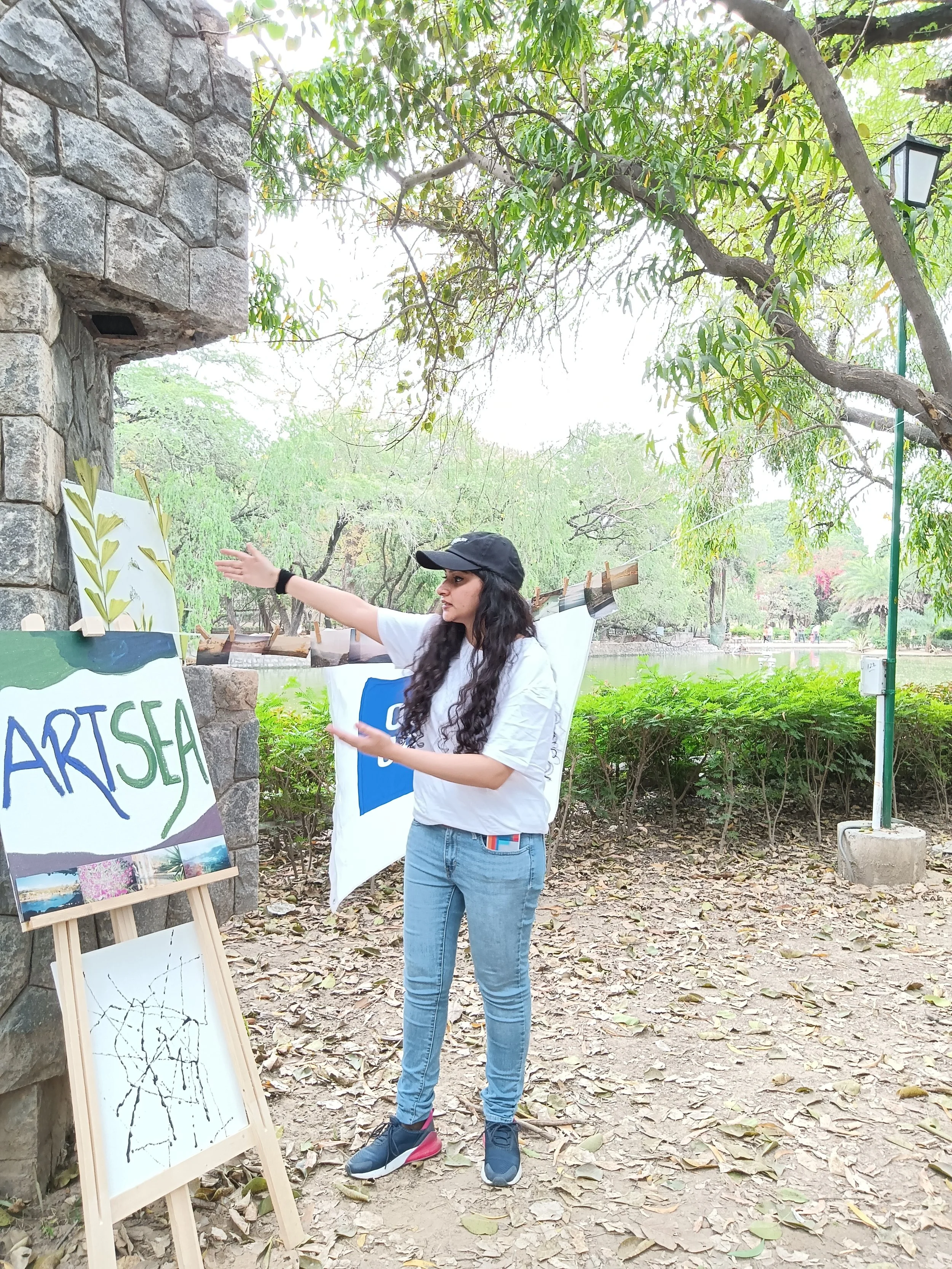
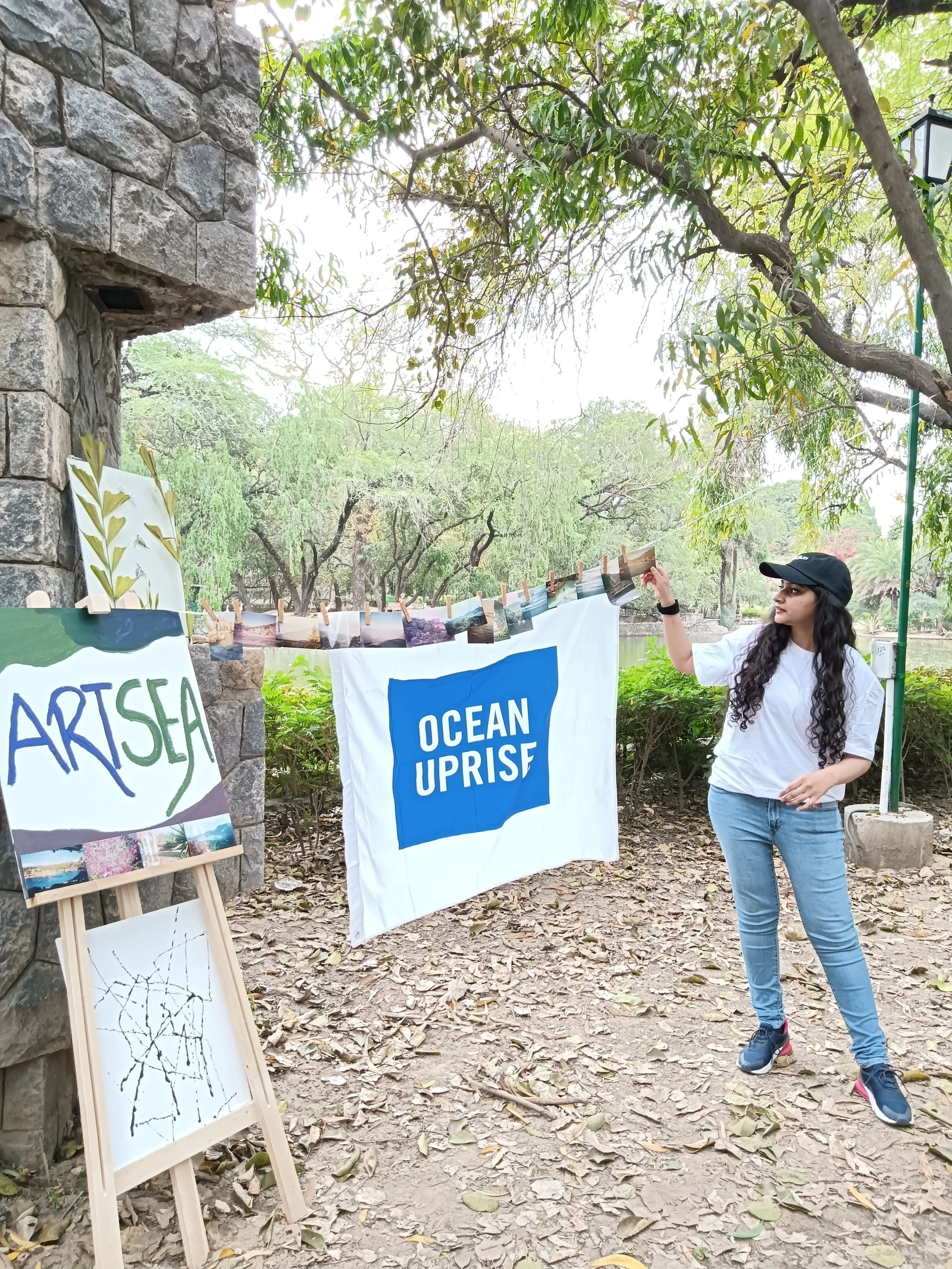
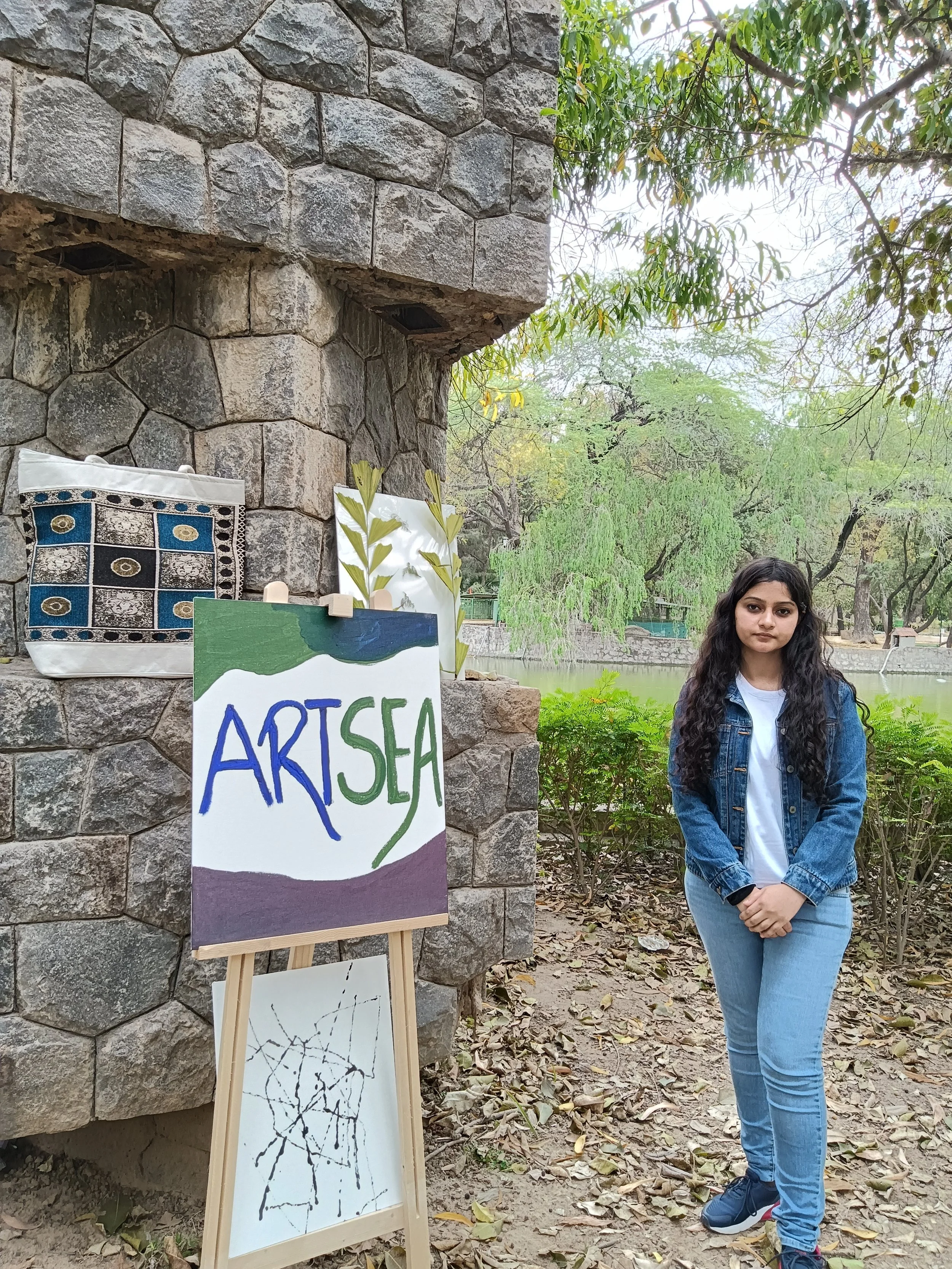
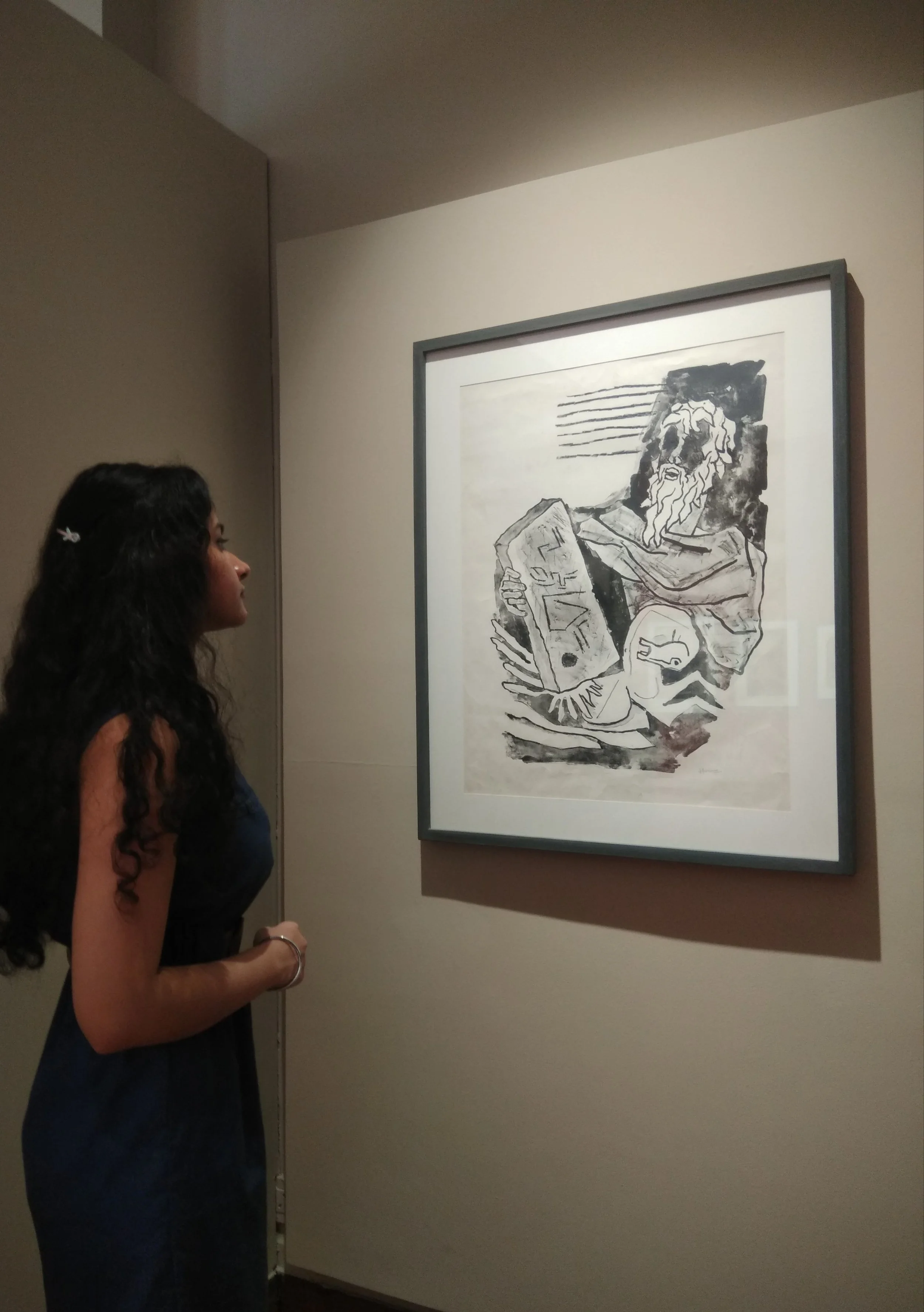
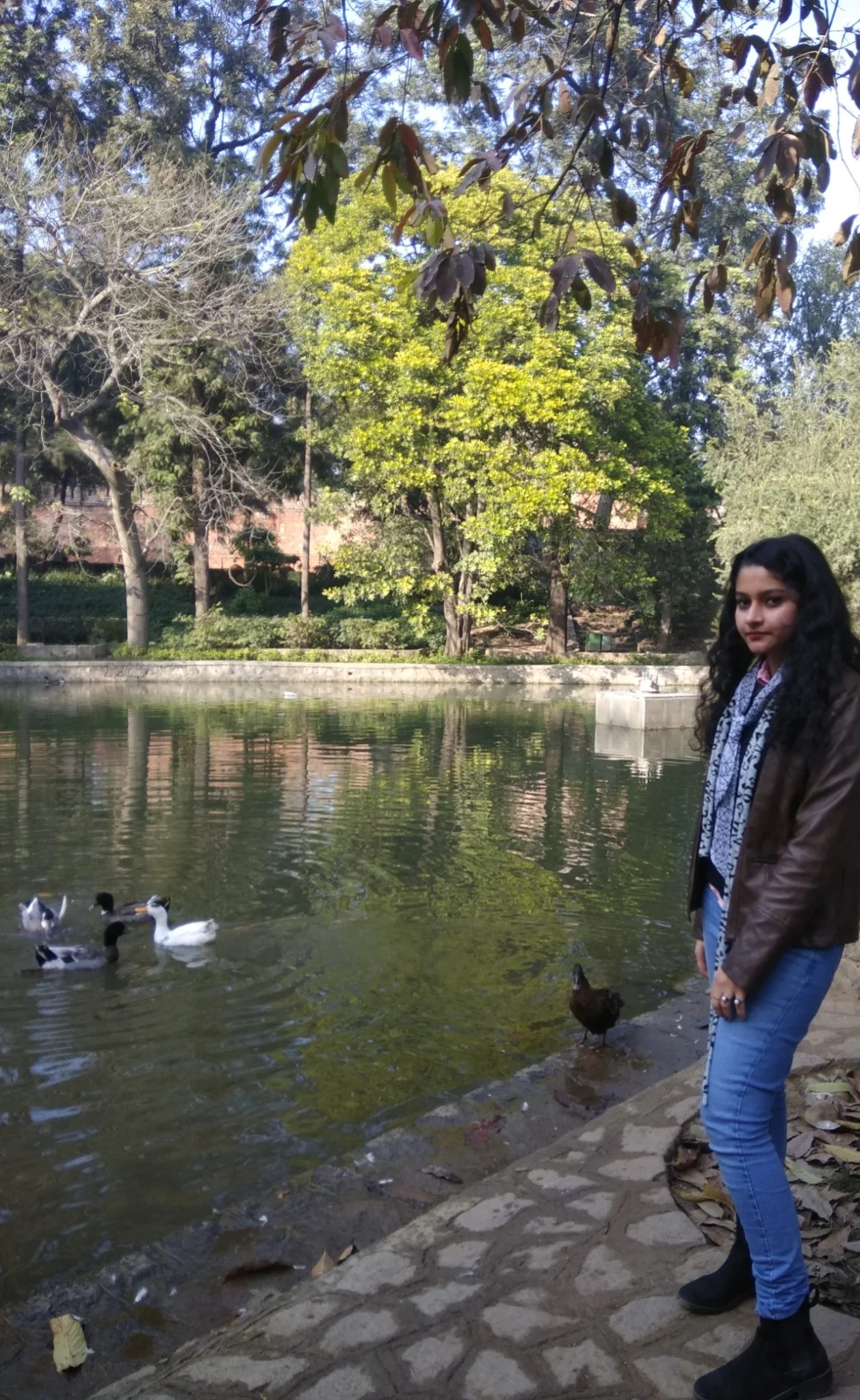
My practice as a climate artivist lies precisely at this intersection. It is a deliberate merging of logic and lyricism, of policy and poetry. Through conservation photography, I document the tenderness of ecosystems: the resilience of mangroves, the mirrored stillness of wetlands, and the quiet adaptation of life under stress. Through poetry and storytelling, I explore how climate anxiety imprints itself upon human emotion and how grief can become a source of strength.
The climate crisis is often described as an environmental problem, yet it is equally a cultural and existential one. It shapes identity, memory, and belonging. It dictates not only the future of the planet but the air we pass from one generation to the next. My work seeks to illuminate this truth: that when we speak of the atmosphere, we are also speaking of ancestry, community, and love.
I have shared this message across global stages from TEDx to institutions such as Harvard, Oxford, and Cambridge, and through platforms like the United Nations and the World Bank. Each time I speak, I return to the same truth: we cannot protect what we do not feel connected to. The role of storytelling is not only to inform, but to reawaken empathy.
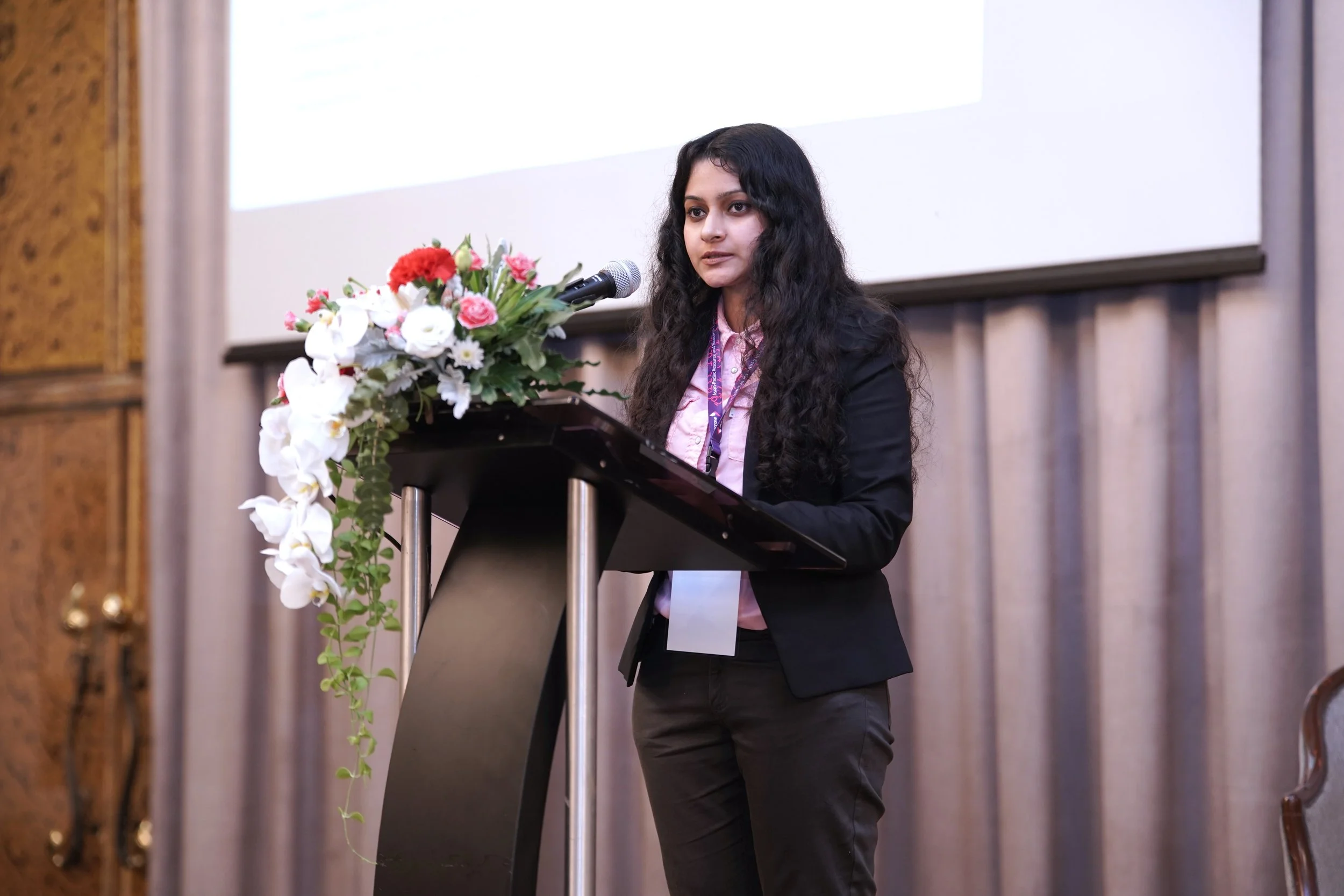
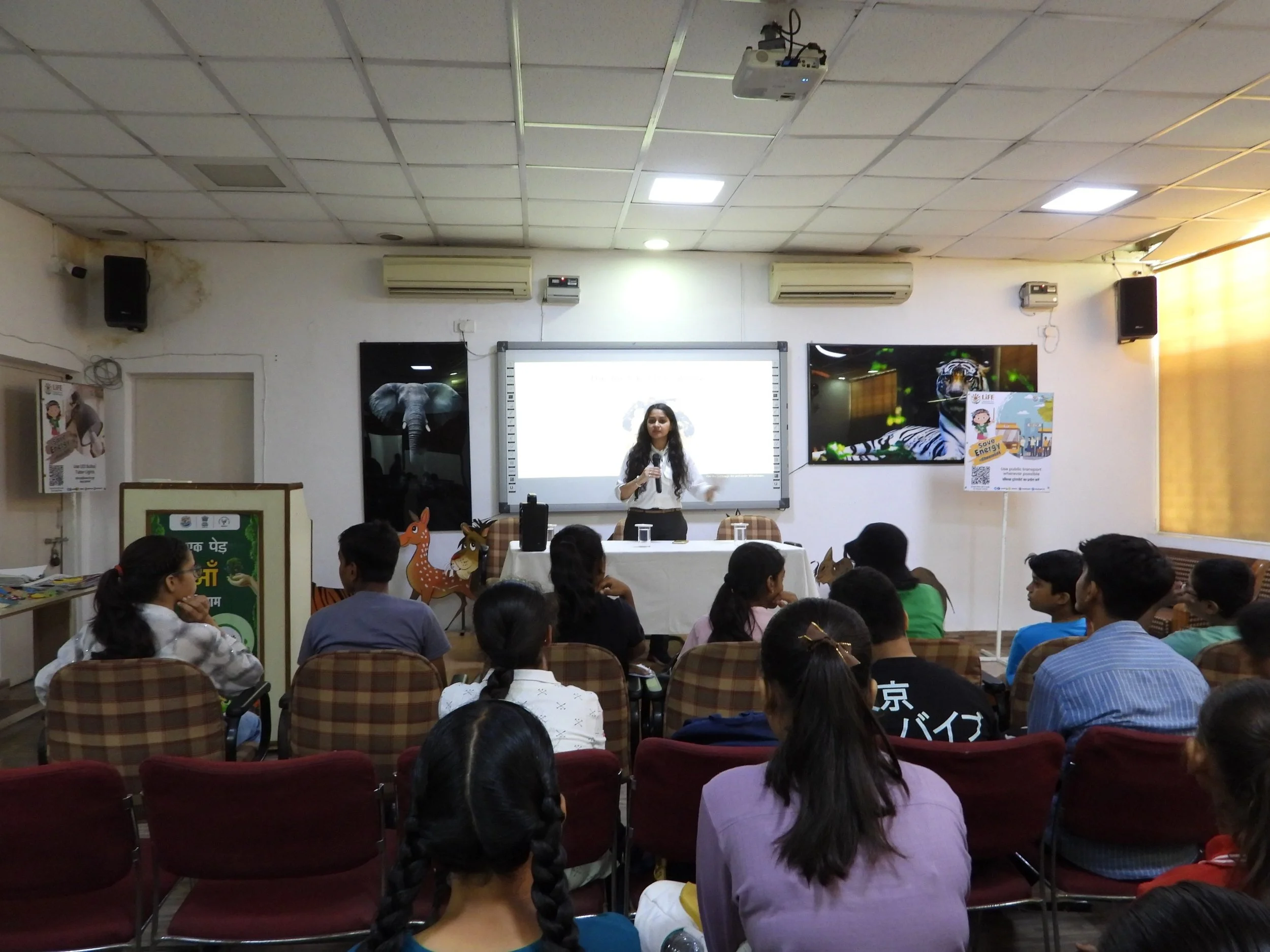
Today, the work of Climate Conservancy continues to evolve: from grassroots campaigns and youth education to global research and policy advocacy. Yet at its core lies something deeply personal. I have seen children paint murals of oceans they have never seen, elders share stories of monsoons that once arrived faithfully, and communities find healing through shared creation. These are not small acts; they are the foundations of resilience.
Every project I lead begins with a question: how can art serve as infrastructure for imagination? Because art does not merely portray the world as it is; it dares to envision the world as it should be.
The science is unequivocal. The planet is warming, ecosystems are collapsing, and inequities are deepening. But transformation will not come from fear alone. It will come from meaning, from connection, from stories that move us beyond apathy into action.
My story is not a conclusion. It is an invitation: to see art not as ornament but as a catalyst, to see storytelling not as entertainment but as activism, and to recognize breath itself as our most sacred common ground.
If children grow up believing that clean air is an exception, humanity has failed. If ecosystems continue to vanish under the weight of indifference, progress remains hollow. But if we can imagine a world where art fuels awareness, where culture carries conscience, and where breathing freely is no longer a privilege, then hope becomes necessary.
The climate is already speaking to us. The question is whether we will listen in time to honor its story.
About
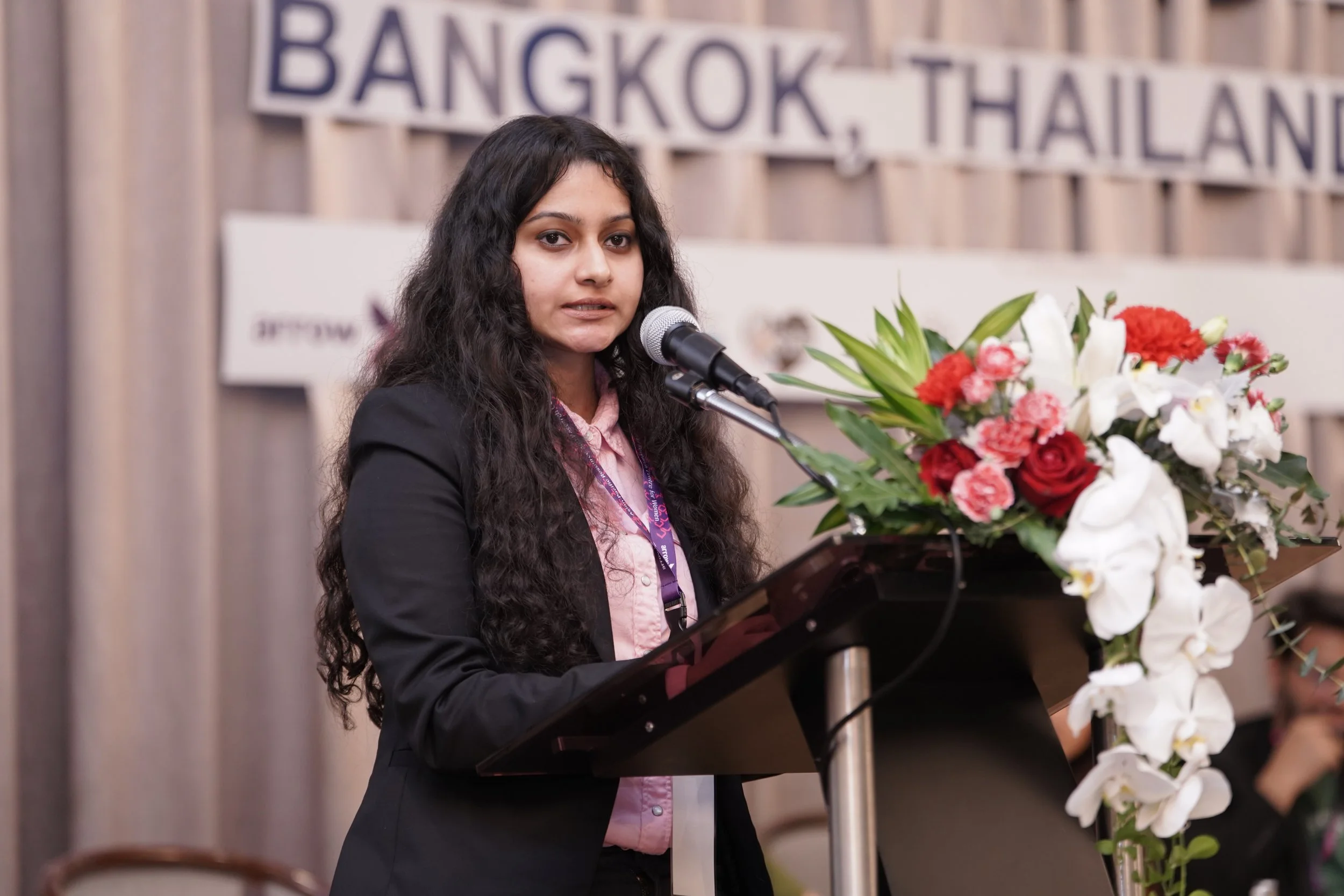
Leena Joshi is an award-winning social entrepreneur, climate artivist, author, and founder and executive director of Climate Conservancy, an international youth-led nonprofit working at the intersection of climate conservation, education, art, and science. With over 9,000 volunteers across 70 countries, the organization empowers youth through creative expression, environmental literacy, and global advocacy to advance equitable climate solutions and preserve fragile ecosystems.
A passionate voice for environmental justice, Leena serves as CEO and Chair of EcoVita and sits on several global boards, including World Ocean Day, NSF, and The Climate Reality Project. Her work has been recognized by the UN, World Bank Group, U.S. State Department, Lady Gaga’s Born This Way Foundation and multifarious international media outlets.
As a UNFCCC Youth Stocktake co-author and Research Advisor at Imperial College London, she is pioneering research on climate anxiety and ecological grief. A TEDx speaker, Leena has spoken at Harvard, Oxford, Sciences Po and Cambridge, being a prolific keynote speaker at high-level international conferences. She is also a conservation photographer, poet, and environmental artist, using 'climate artivism' to connect emotion and action for our blue planet.